How do Various Forex Platforms Differ from Each Other?
Forex trading platforms serve as the gateway for traders to access the forex market and execute trades. While the core purpose remains the same, different forex platforms can vary significantly in terms of features, functionalities, and user experience. In this blog post, we will explore the key differences among various forex platforms. Let’s dive in!
1. User Interface and Design
One of the primary differences among forex platforms is their user interface and design. Some platforms offer a simple and intuitive interface, ideal for beginners or traders who prefer a streamlined experience. On the other hand, certain platforms provide advanced charting capabilities, customizable layouts, and extensive tools, catering to experienced traders who require more in-depth analysis and customization options.
2. Access and Portability
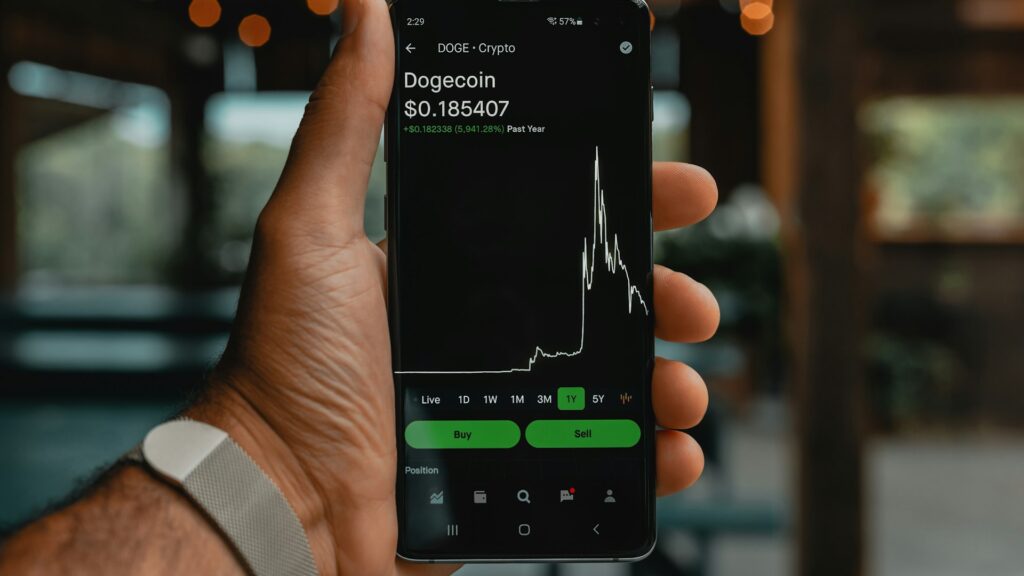
Forex platforms can differ in terms of access and portability. Web-based platforms can be accessed through a web browser, making them convenient and accessible from any device with an internet connection. Desktop platforms, on the other hand, need to be downloaded and installed on a computer, offering a dedicated trading environment with advanced features. Mobile trading apps provide the flexibility to trade on-the-go using smartphones or tablets.
3. Trading Tools and Features
The availability and range of trading tools and features can vary across different forex platforms. Some platforms offer basic functionalities such as real-time market quotes, order placement, and account management. Advanced platforms may provide a comprehensive suite of tools, including technical indicators, drawing tools, backtesting capabilities, and automated trading systems. Traders should consider their trading style and requirements when selecting a platform with the desired tools and features.
4. Charting and Analysis
Charting and analysis capabilities are crucial for traders to make informed trading decisions. Forex platforms can differ in terms of their charting tools, technical indicators, and drawing capabilities. Basic platforms may offer limited charting options, while advanced platforms provide extensive charting features, allowing traders to analyze price patterns, apply indicators, and conduct in-depth technical analysis.
5. Connectivity and Execution Speed
The speed and reliability of order execution can vary among different forex platforms. Some platforms are known for their fast and efficient trade execution, minimizing slippage and ensuring timely order placement. It’s important for traders, especially those engaged in high-frequency trading or scalping, to choose a platform that offers reliable connectivity and fast execution speeds.
6. Integration with Brokers and Services
Forex platforms can differ in terms of their integration with brokers and additional services. Some platforms are broker-specific, designed to work seamlessly with a particular broker’s offerings. These platforms may provide direct access to market analysis, educational resources, and customer support offered by the broker. Traders should consider the level of integration and the additional benefits provided by the platform in conjunction with their chosen broker.
Conclusion
Forex platforms differ from each other in various aspects, including user interface, access and portability, trading tools and features, charting and analysis capabilities, connectivity and execution speed, and integration with brokers and services. Traders should assess their trading style, technical requirements, and preferences when selecting a forex platform. Whether you prioritize simplicity, advanced features, mobility, or integration with a specific broker, choosing the right platform can significantly enhance your trading experience and ultimately contribute to your success in the forex market.