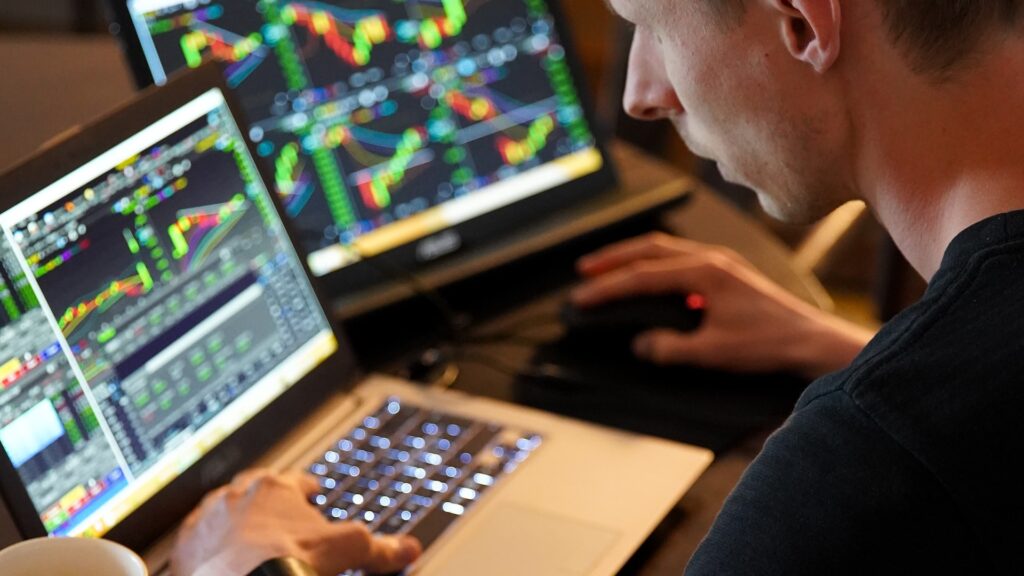
What Is the Importance of Timing in Forex Trading?
Timing plays a vital role in forex trading, as it can significantly impact trading outcomes and profitability. Understanding the importance of timing in forex trading is crucial for traders to optimize their strategies and make informed decisions. In this blog post, we will explore the various aspects that highlight the significance of timing in forex trading. Let’s dive in!
1. Liquidity and Trading Volume
The timing of your trades can affect liquidity and trading volume in the forex market. Forex trading is a decentralized market where participants from around the world trade currencies. Different trading sessions overlap during certain times of the day, resulting in higher trading volume and liquidity. Traders who take advantage of these high-volume periods may experience tighter spreads and better trade execution.
2. Market Opening and Closing
The opening and closing times of various forex markets around the world are important considerations for traders. The market’s opening can bring increased volatility and opportunities for early-morning trading strategies. Similarly, the market’s closing can result in last-minute price fluctuations as traders square their positions before the day ends. Understanding the market’s opening and closing times allows traders to align their strategies with these periods of heightened activity.
3. Economic Data Releases
Economic data releases, such as employment reports, GDP figures, and central bank announcements, can have a significant impact on currency prices. Traders often analyze economic calendars to anticipate these data releases and assess their potential impact. Timing your trades around key economic events can help you capitalize on price movements resulting from these releases or avoid potential volatility and uncertainty.
4. Overlapping Trading Sessions
Overlapping trading sessions, such as the Asian, European, and North American sessions, can provide increased trading opportunities. During these periods, multiple markets are active simultaneously, leading to higher trading volume and potentially greater price volatility. Traders who are able to participate during overlapping sessions may find more opportunities for profitable trades.
5. Timeframe Considerations
The timeframe you choose for your trading strategy can significantly impact your success. Shorter timeframes, such as scalping or day trading, require precise timing and quick decision-making. Longer timeframes, such as swing trading or position trading, allow for more relaxed timing considerations. Traders must align their trading style and timeframe with their personal preferences, risk tolerance, and the market conditions they wish to trade.
6. Timezone Differences
Forex trading operates 24 hours a day, five days a week, across different time zones. Traders must consider timezone differences when planning their trading activities. Depending on your location and the markets you trade, you may need to adjust your schedule to align with the most active trading periods and important economic events. Being aware of timezone differences ensures that you can participate in the market during optimal trading times.
7. Conclusion
The importance of timing in forex trading cannot be overstated. It affects liquidity, trading volume, market openings and closings, economic data releases, overlapping trading sessions, timeframe considerations, and timezone differences. Successful traders understand the significance of timing and use it to their advantage when developing trading strategies. By considering these timing factors, traders can enhance their chances of making profitable trades in the dynamic forex market. Happy trading!