Introduction
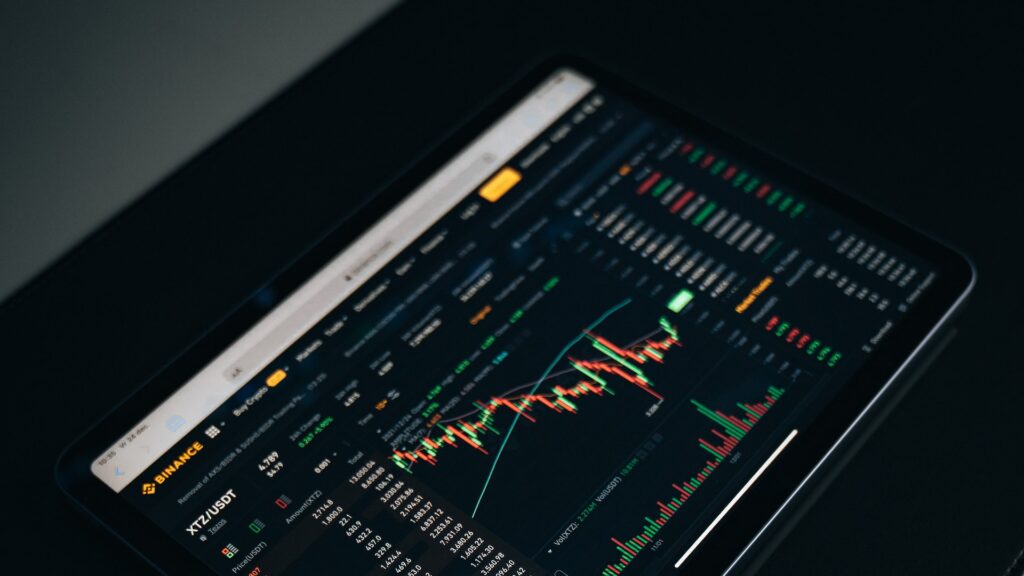
Creating an ideal forex trading schedule is crucial for maximizing your trading efficiency and profitability. Every trader is unique, and finding the schedule that suits your lifestyle, trading style, and market preferences is essential. In this blog post, we will provide you with valuable tips and considerations to help you determine your ideal forex trading schedule. By following these guidelines, you can optimize your trading routine and increase your chances of success in the forex market.
1. Assess Your Availability
The first step in determining your ideal forex trading schedule is to assess your availability. Consider your daily routine, work or other commitments, and the time you can dedicate to trading. Determine the hours when you are free and can focus on analyzing the market and executing trades without distractions. This will help you narrow down the time frames that are most suitable for your trading activities.
2. Understand Market Sessions
Understanding the different forex market sessions is crucial for determining your trading schedule. The forex market operates 24 hours a day, but it is not equally active throughout. The major market sessions include the Asian, European, and North American sessions. Each session has its unique characteristics in terms of liquidity, volatility, and currency pairs most affected. Consider aligning your trading schedule with the session that offers the best opportunities for your preferred trading style.
3. Know Your Trading Style
Consider your trading style when determining your ideal trading schedule. Are you a day trader who prefers short-term trades and multiple entries and exits within a day? Or are you a swing trader who holds positions for a few days or weeks? Different trading styles require different time commitments. Day traders may focus on active market hours, while swing traders have more flexibility in choosing their trading windows.
4. Identify Optimal Trading Times
Once you have assessed your availability, understood market sessions, and identified your trading style, it’s time to pinpoint the optimal trading times within those sessions. These are the periods when the market is most active, offering higher liquidity and increased trading opportunities. Consider conducting market analysis and observing price movements during different times of the day to identify the moments when your preferred currency pairs exhibit the most favorable conditions for trading.
5. Consider Risk Management
When determining your ideal forex trading schedule, it’s important to consider risk management. Avoid trading during times of low liquidity, as this can lead to wider spreads and slippage. Additionally, be aware of economic news releases and avoid trading during periods of high volatility if you are not comfortable with the associated risks. Incorporate risk management principles into your schedule to protect your capital and minimize potential losses.
6. Regularly Evaluate and Adjust
Lastly, remember that your ideal forex trading schedule may evolve over time. Markets change, personal circumstances fluctuate, and new opportunities may arise. Regularly evaluate your trading schedule’s effectiveness and make adjustments as needed. Stay flexible and open to adapting your schedule to optimize your trading performance.
Conclusion
Determining your ideal forex trading schedule is a crucial step towards becoming a successful trader. Assess your availability, understand market sessions, and align your schedule with your trading style. Identify optimal trading times, consider risk management principles, and be open to adjusting your schedule as needed. Remember that finding the right schedule requires experimentation and continuous evaluation. By creating a schedule that suits your needs and preferences, you can enhance your trading efficiency and increase your chances of success in the dynamic forex market.