Introduction
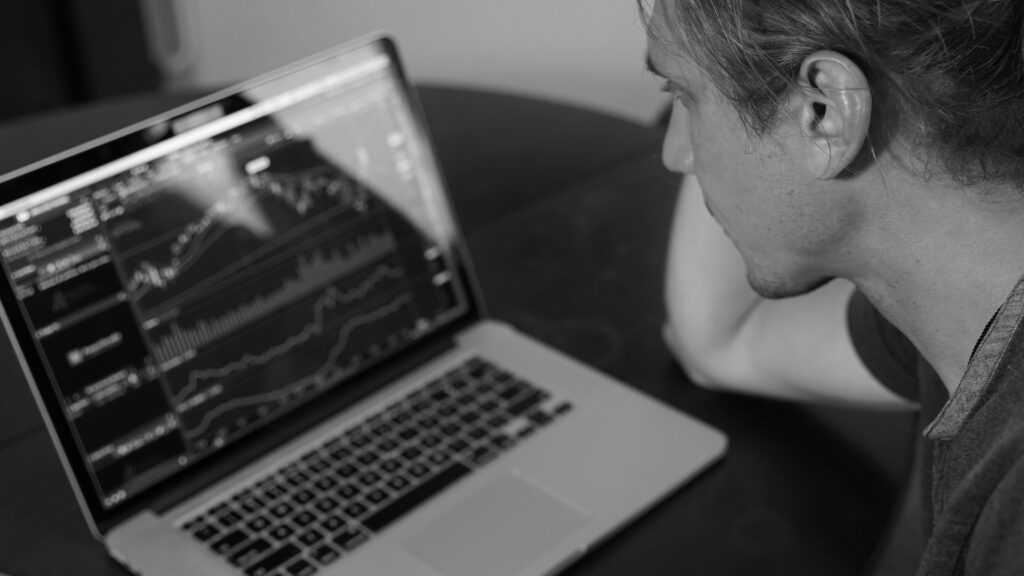
The psychology behind forex trading plays a crucial role in the success or failure of traders. It involves understanding the psychological factors that influence decision-making, emotions, and behavior in the forex market. In this article, we will explore the psychology behind forex trading and how it impacts traders’ performance and outcomes.
1. Emotions and Decision-Making
Emotions have a significant impact on decision-making in forex trading. Fear, greed, and overconfidence are common emotions that can cloud judgment and lead to irrational decisions. Fear can prevent traders from entering trades or cause them to exit prematurely, while greed can drive excessive risk-taking. Understanding the role of emotions in trading psychology is essential for managing them effectively and making more rational decisions.
2. Cognitive Biases
Cognitive biases are inherent in human psychology and can influence trading decisions. Confirmation bias, for example, leads traders to seek information that confirms their existing beliefs, while hindsight bias causes traders to believe they could have predicted past market movements. These biases can hinder objective decision-making and lead to suboptimal trading outcomes. Recognizing and mitigating cognitive biases is crucial for improving trading performance.
3. Risk Perception and Management
Perception of risk varies among traders and can impact their trading decisions. Some traders may be more risk-averse and avoid taking trades with higher potential returns, while others may be more risk-seeking and take excessive risks. Understanding one’s risk perception and managing risk effectively is essential for long-term success in forex trading. Proper risk management strategies, such as setting stop-loss orders and position sizing, help traders mitigate losses and protect their capital.
4. Patience and Discipline
Patience and discipline are critical psychological factors in forex trading. Patience involves waiting for high-probability trade setups and not being swayed by short-term market fluctuations. Discipline refers to following a trading plan, adhering to predefined strategies, and avoiding impulsive decisions. Both patience and discipline help traders maintain a systematic approach to trading and avoid emotional reactions that can lead to poor outcomes.
5. Mindset and Beliefs
Mindset and beliefs can significantly impact a trader’s performance. A growth mindset, characterized by a willingness to learn, adapt, and embrace challenges, is associated with better trading outcomes. Beliefs about the market, such as whether it is predictable or random, can also influence trading strategies and decisions. Developing a positive mindset and adopting beliefs that align with a trader’s goals and strategies can enhance performance.
Conclusion
The psychology behind forex trading is a crucial aspect of achieving success in the market. By understanding the role of emotions, cognitive biases, risk perception, patience, discipline, mindset, and beliefs, traders can make more informed and rational decisions. Managing emotions, recognizing biases, and practicing effective risk management are essential for navigating the challenges of forex trading. Remember, mastering the psychology behind forex trading takes time and practice, but it can significantly improve your trading performance and outcomes.