How Does Market Analysis Help in Forex Trading?
Market analysis plays a crucial role in forex trading, helping traders make informed decisions and increase their chances of success. By analyzing various factors that influence currency prices, traders can identify potential trading opportunities and manage their risks effectively. In this blog post, we will explore the importance of market analysis in forex trading and the different types of analysis that traders employ.
1. Understanding Market Analysis
Market analysis in forex trading involves studying and interpreting market data to gain insights into currency price movements. Traders analyze various factors, including economic indicators, geopolitical events, and technical patterns, to predict future price trends.
2. Fundamental Analysis
Fundamental analysis focuses on evaluating the underlying economic and geopolitical factors that impact currency prices. Traders who employ fundamental analysis study macroeconomic indicators such as GDP growth rates, inflation, central bank policies, and political developments. By assessing the fundamental factors, traders can gauge the strength or weakness of a currency and make informed trading decisions.
2.1 Economic Indicators
Economic indicators provide valuable insights into the health of an economy. Traders closely monitor indicators such as employment reports, interest rates, consumer spending, and trade balances to assess the overall economic outlook of a country. Positive economic data may strengthen a currency, while negative data can lead to currency depreciation.
2.2 Central Bank Policies
Central banks play a crucial role in forex markets through their monetary policy decisions. Traders analyze statements, interest rate changes, and speeches made by central bank officials to understand their stance on the economy. Central bank policies, such as quantitative easing or tightening, can have a significant impact on currency prices.
3. Technical Analysis
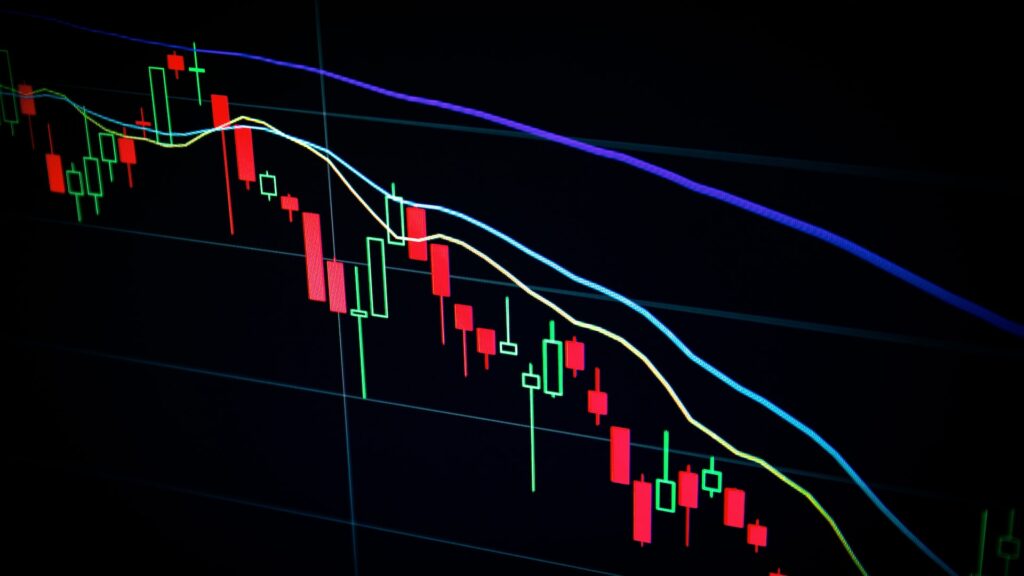
Technical analysis involves studying historical price data and using various tools and indicators to identify patterns and trends. Traders who use technical analysis believe that historical price movements can provide insights into future price movements. They use charts, trend lines, moving averages, and oscillators to identify entry and exit points for trades.
3.1 Chart Patterns
Chart patterns, such as head and shoulders, double tops, or triangles, provide visual representations of price movements. Traders look for these patterns to predict potential trend reversals or continuations. By recognizing chart patterns, traders can anticipate market movements and make timely trading decisions.
3.2 Support and Resistance Levels
Support and resistance levels are price levels at which the market has historically shown a tendency to reverse or stall. Traders use these levels to identify areas where buying or selling pressure may increase. By analyzing support and resistance levels, traders can set appropriate entry and exit points for their trades.
4. Sentiment Analysis
Sentiment analysis involves gauging market participants’ emotions and attitudes towards a particular currency or market. Traders monitor news sentiment, social media chatter, and market positioning indicators to understand the overall market sentiment. By assessing market sentiment, traders can identify potential contrarian trading opportunities or confirm their trading biases.
Conclusion
Market analysis is an essential aspect of forex trading, helping traders make informed decisions and increase their chances of success. By employing fundamental analysis, technical analysis, and sentiment analysis, traders can gain valuable insights into currency price movements. It is important for traders to develop a well-rounded approach to market analysis and use a combination of these techniques to make informed trading decisions.