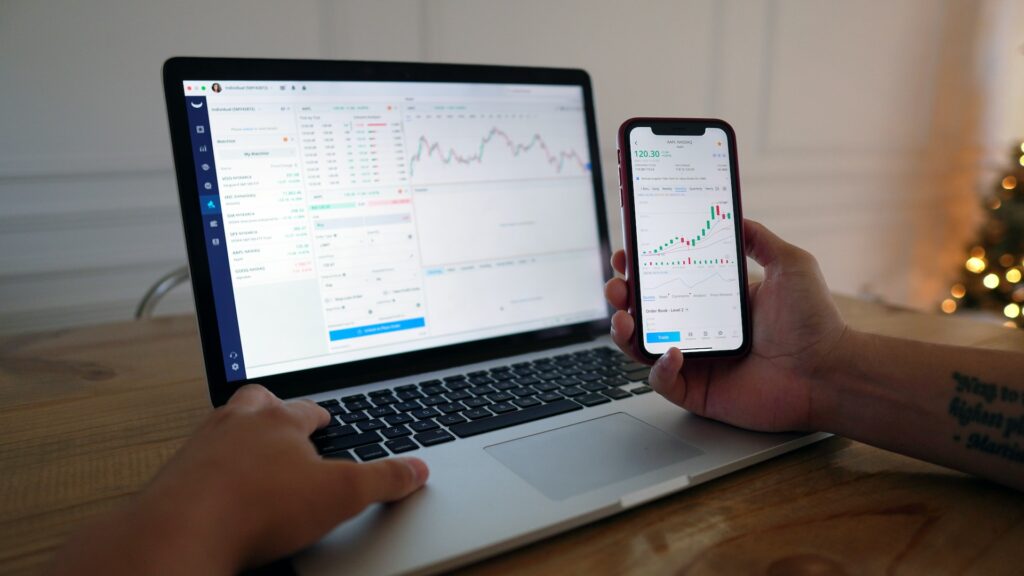
How Can I Manage Risks in Forex Trading?
Forex trading can be a lucrative endeavor, but it also comes with inherent risks. To protect your capital and minimize potential losses, it’s essential to have a robust risk management strategy in place. In this blog post, we will explore some key techniques and practices to help you effectively manage risks in forex trading.
1. Understand and Set Risk Tolerance
Assess Your Risk Tolerance
Before you start trading, it’s crucial to assess your risk tolerance. This refers to your ability and willingness to handle potential losses. Consider factors such as your financial situation, investment goals, and emotional resilience. This self-assessment will help you determine the level of risk you are comfortable with.
Set Risk Parameters
Once you understand your risk tolerance, it’s important to set clear risk parameters for each trade. This includes determining the maximum amount you are willing to lose on a single trade and setting stop-loss orders accordingly. Setting realistic profit targets can also help prevent greed-driven decisions that may lead to excessive risk-taking.
2. Use Proper Position Sizing
Calculate Position Size
Proper position sizing is crucial for managing risks in forex trading. It involves determining the appropriate amount of capital to allocate to each trade based on your risk parameters. One commonly used method is the percentage risk model, where you allocate a fixed percentage of your trading capital to each trade.
Consider Leverage
When trading on margin, leverage can amplify both profits and losses. It’s important to understand the risks associated with leverage and use it judiciously. Avoid excessive leverage that could wipe out your trading account if the market moves against your position.
3. Implement Stop-Loss Orders
Set Stop-Loss Orders
A stop-loss order is a risk management tool that automatically closes a trade when the market reaches a predetermined price level. By setting stop-loss orders, you can limit potential losses and protect your capital. Place stop-loss orders at logical levels based on technical analysis or other risk management strategies.
Adjust Stop-Loss Orders
As the market moves in your favor, it’s important to adjust your stop-loss orders to lock in profits and reduce the risk of giving back gains. This technique, known as trailing stop-loss, allows you to protect your profits while still giving your trades room to breathe.
4. Diversify Your Portfolio
Trade Multiple Currency Pairs
Diversification is a fundamental risk management principle. Instead of focusing on a single currency pair, consider trading multiple pairs with different risk profiles. This can help mitigate the impact of adverse movements in one currency pair on your overall portfolio.
Explore Other Asset Classes
Forex trading is not the only investment opportunity available. Consider diversifying your portfolio by exploring other asset classes such as stocks, commodities, or cryptocurrencies. This can provide additional sources of potential profit and reduce the concentration risk associated with forex trading alone.
5. Stay Informed and Adapt
Stay Updated on Market News
Stay informed about economic news, geopolitical events, and other factors that can influence currency exchange rates. Sudden market movements can pose risks, but by staying informed, you can take timely actions to manage your positions effectively.
Continuously Evaluate and Adapt
Risk management is an ongoing process. Continuously evaluate your trading strategies and performance to identify areas for improvement. Adapt your risk management techniques as market conditions change, and always be willing to learn and evolve as a trader.
Conclusion
Risk management is a vital aspect of successful forex trading. By understanding your risk tolerance, using proper position sizing, implementing stop-loss orders, diversifying your portfolio, and staying informed, you can effectively manage risks and protect your capital. Remember that risk management should be an integral part of your trading plan and consistently applied in every trade you make. By prioritizing risk management, you can increase your chances of long-term profitability in the forex market.