How Can I Improve My Forex Market Timing Skills?
Timing is a critical factor in forex trading. Being able to enter and exit trades at the right moment can greatly impact your profitability. However, mastering market timing requires practice, analysis, and a thorough understanding of market dynamics. In this blog post, we will discuss some effective strategies to improve your forex market timing skills. Let’s dive in!
1. Study Technical Analysis
Technical analysis is a powerful tool used by forex traders to analyze price patterns, trends, and market behavior. By studying technical indicators and chart patterns, you can identify potential entry and exit points in the market. Some commonly used technical indicators include moving averages, Fibonacci retracements, and support and resistance levels.
1.1. Learn Candlestick Patterns
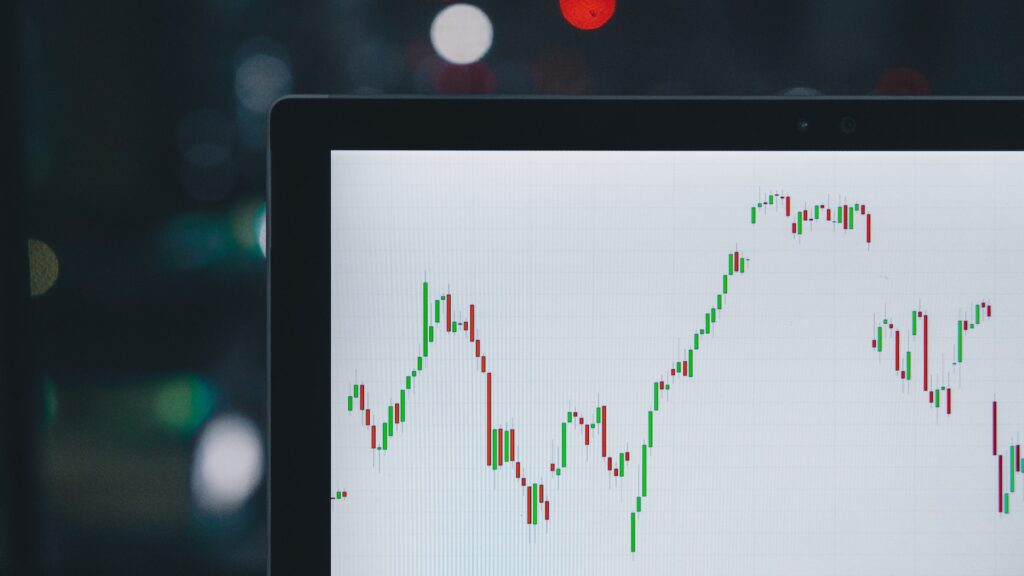
Candlestick patterns provide valuable insights into market sentiment and can help you determine potential reversals or continuations in price movements. Familiarize yourself with popular candlestick patterns such as doji, hammer, engulfing, and shooting star. Understanding these patterns can enhance your ability to time your trades more effectively.
1.2. Utilize Oscillators and Momentum Indicators
Oscillators and momentum indicators, such as the Relative Strength Index (RSI) and Stochastic Oscillator, can help you identify overbought and oversold conditions in the market. These indicators can be used to anticipate potential reversals and improve your market timing skills.
2. Follow Economic Calendar
Economic events and news releases can have a significant impact on currency prices. By staying updated with an economic calendar, you can anticipate market volatility and be prepared for potential trading opportunities. Pay attention to key economic indicators like GDP, interest rate decisions, employment reports, and central bank statements.
2.1. Understand the Impact of News
Not all news releases have the same impact on the market. Some news events have a higher level of importance and can cause significant price movements. Learn to differentiate between high-impact and low-impact news releases and understand how they can influence market sentiment and timing.
2.2. Monitor Market Sentiment
Market sentiment refers to the overall attitude of traders towards a particular currency pair. Sentiment can be influenced by economic news, geopolitical events, and investor behavior. By monitoring market sentiment through tools like sentiment indicators or news sentiment analysis, you can gauge the prevailing mood of the market and make more informed trading decisions.
3. Backtest and Analyze Your Strategies
Backtesting involves applying your trading strategies to historical market data to evaluate their effectiveness. By backtesting different strategies, you can assess their performance, identify strengths and weaknesses, and make necessary adjustments to improve your market timing skills.
3.1. Use Trading Simulators
Trading simulators allow you to practice your strategies in a simulated trading environment using real-time market data. These simulators can help you gain experience and confidence in executing trades without risking real money. Regularly using trading simulators can enhance your market timing skills and refine your trading strategies.
3.2. Keep a Trading Journal
Maintaining a trading journal is essential for tracking your trades and analyzing your performance. Record the details of your trades, including entry and exit points, reasons for entering the trade, and any observations or lessons learned. Reviewing your trading journal regularly can provide valuable insights into your market timing skills and help you identify areas for improvement.
4. Practice Patience and Discipline
Effective market timing requires patience and discipline. Avoid the temptation to enter trades based on emotions or impulsive decisions. Stick to your trading plan and wait for confirmation signals before entering or exiting a trade. Patience and discipline will help you avoid unnecessary losses and improve your overall market timing.
Conclusion
Improving your forex market timing skills is a continuous learning process that requires dedication, practice, and analysis. By studying technical analysis, following an economic calendar, backtesting your strategies, and practicing patience and discipline, you can enhance your ability to time your trades effectively. Remember, there are no shortcuts to mastering market timing. It requires consistent effort and a deep understanding of market dynamics. With time and experience, you can improve your market timing skills and increase your chances of success in the forex market.