What Are the Basic Principles of Forex Trading?
Forex trading, also known as foreign exchange trading, is the process of buying and selling currencies with the aim of making a profit. It is a decentralized market where participants trade one currency for another. If you’re new to forex trading, understanding the basic principles is essential. In this blog post, we will explore the fundamental principles that underpin forex trading and help you get started on your trading journey.
1. Currency Pairs
Forex trading involves trading currency pairs. A currency pair consists of two currencies, with one currency being bought and the other being sold. The first currency in the pair is called the base currency, while the second currency is the quote currency. For example, in the EUR/USD pair, the euro is the base currency, and the US dollar is the quote currency. Understanding how currency pairs work and their relationship is crucial in forex trading.
2. Bid and Ask Price
In forex trading, every currency pair has two prices: the bid price and the ask price. The bid price is the price at which traders can sell the base currency, while the ask price is the price at which they can buy the base currency. The difference between the bid and ask price is known as the spread, and it represents the cost of the trade. Traders aim to buy at a lower price and sell at a higher price to make a profit.
3. Leverage and Margin
Leverage is a key aspect of forex trading that allows traders to control larger positions with a smaller amount of capital. It is expressed as a ratio, such as 1:50 or 1:100, indicating the amount of capital a trader can control compared to their initial investment. While leverage can amplify profits, it also increases the risk of losses. Margin is the amount of capital required to open and maintain a leveraged position, and it acts as a security deposit to cover potential losses.
4. Market Participants
The forex market is made up of various participants, including banks, financial institutions, corporations, governments, and individual traders. These participants engage in forex trading for different reasons, such as hedging against currency risks, facilitating international trade, or speculating on currency price movements. Understanding the roles and motivations of market participants can provide valuable insights into market dynamics and potential trading opportunities.
5. Market Analysis
Market analysis is a crucial component of forex trading. Traders use two main types of analysis: technical analysis and fundamental analysis.
5.1 Technical Analysis
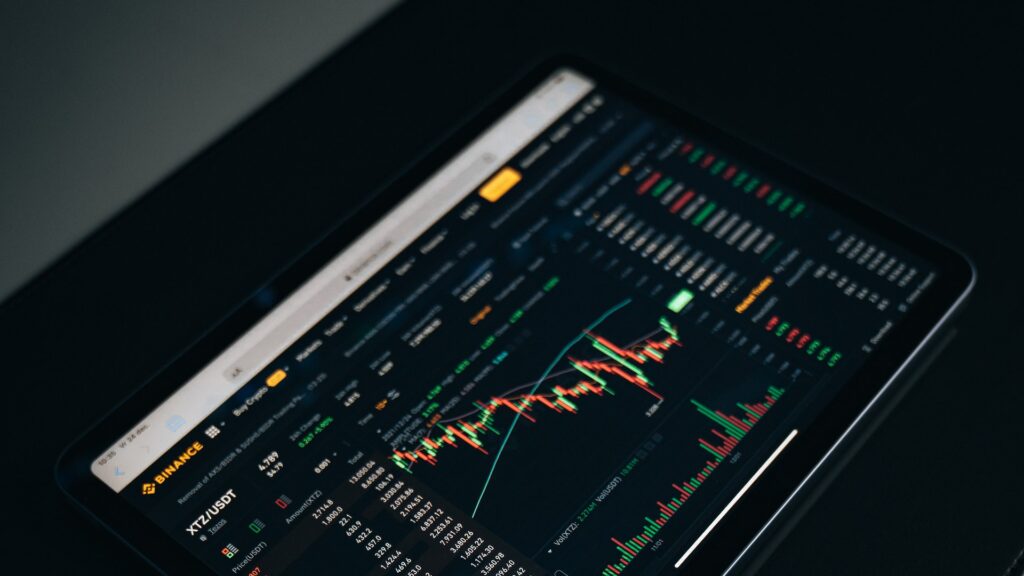
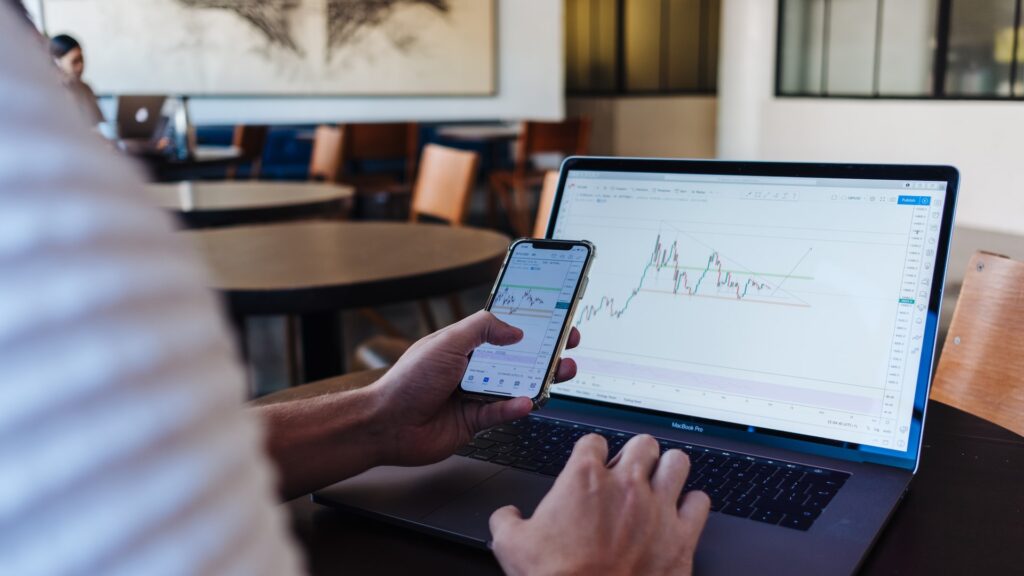
Technical analysis involves studying historical price data, charts, and indicators to identify patterns and trends that can help predict future price movements. Traders use various tools and techniques, such as trend lines, moving averages, and oscillators, to make informed trading decisions based on price action.
5.2 Fundamental Analysis
Fundamental analysis focuses on economic, financial, and geopolitical factors that can impact currency values. Traders analyze economic indicators, central bank policies, political developments, and other news events to assess the intrinsic value of currencies. Fundamental analysis helps traders understand the broader market context and make informed trading decisions based on fundamental factors.
6. Risk Management
Risk management is essential in forex trading to protect capital and minimize losses. Traders should use risk management techniques such as setting stop-loss orders, diversifying their portfolio, and using appropriate position sizing to manage risk effectively. It’s crucial to have a clear understanding of your risk tolerance and to never risk more than you can afford to lose.
Conclusion
Forex trading is a dynamic and potentially lucrative market that requires a solid understanding of its basic principles. By familiarizing yourself with currency pairs, bid and ask prices, leverage and margin, market participants, market analysis techniques, and risk management strategies, you can lay the foundation for successful forex trading. Remember that forex trading involves risks, and it’s important to continuously educate yourself, practice with a demo account, and refine your trading strategies to improve your chances of success in this exciting market.