How Can I Understand and Analyze Bar Charts in Forex?
Bar charts are widely used in forex trading to analyze price movements and make informed trading decisions. Understanding and analyzing bar charts is essential for any forex trader looking to navigate the market effectively. In this blog post, we will explore the key steps to understanding and analyzing bar charts in forex. Let’s get started!
1. Familiarize Yourself with the Basics
Before diving into analyzing bar charts, it’s important to familiarize yourself with the basics. A bar chart displays price data using vertical bars. Each bar represents a specific time period, such as a day, hour, or minute. The top of the bar represents the highest price reached during that time period, while the bottom represents the lowest price. A small horizontal line on the left side of the bar indicates the opening price, and a line on the right side indicates the closing price.
2. Identify Trends and Reversals
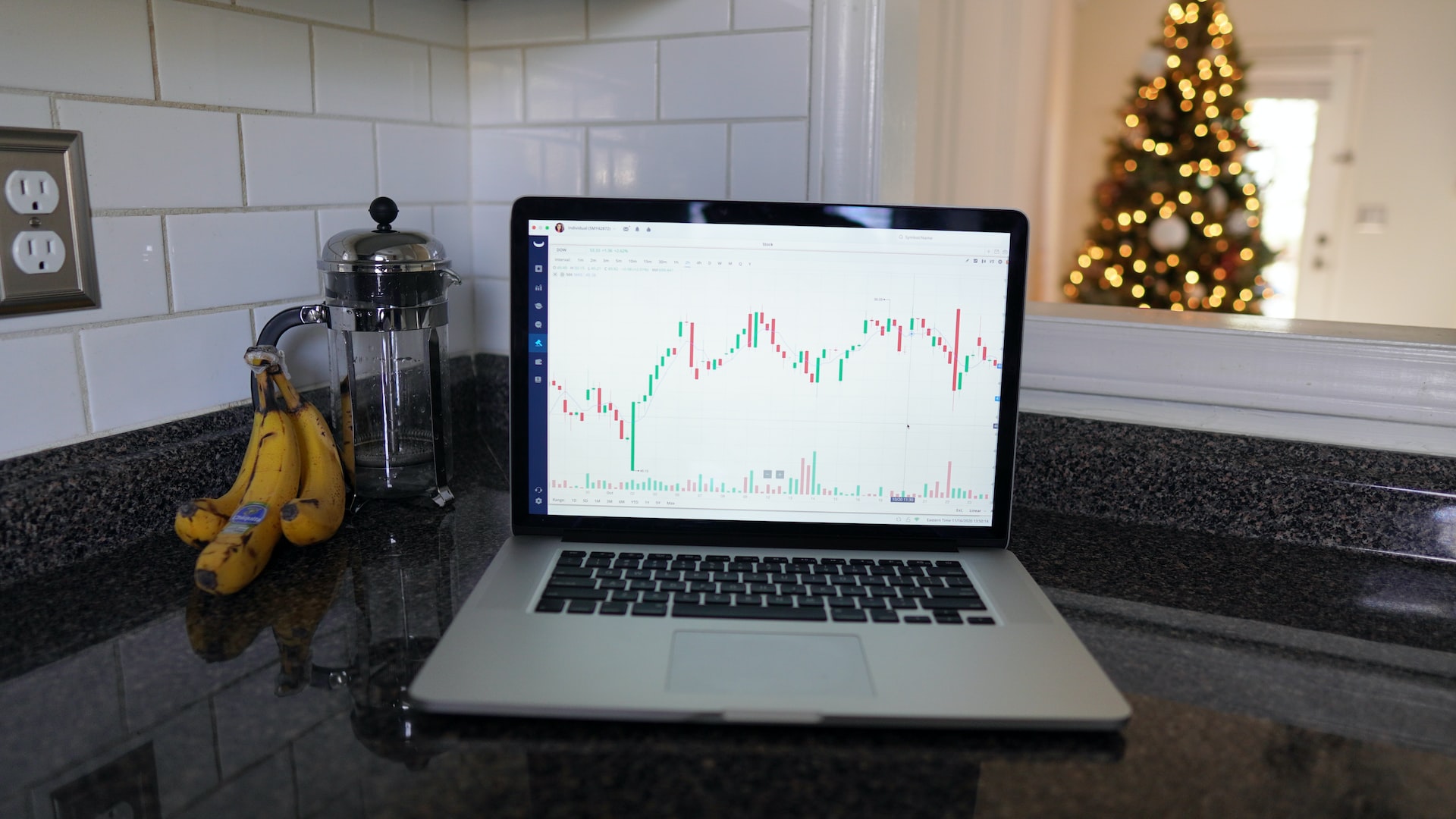
Bar charts are excellent tools for identifying trends and potential reversals in the forex market. By analyzing the sequence of bars, you can determine whether the market is in an upward trend (bullish) or a downward trend (bearish). Look for a series of higher highs and higher lows for an uptrend, or lower highs and lower lows for a downtrend. Additionally, patterns such as double tops, head and shoulders, and triangles can indicate potential reversals.
3. Assess Price Volatility
Price volatility is an important aspect of forex trading, and bar charts can help you assess it effectively. The length of the bars on a chart can indicate the level of price volatility during a specific time period. Longer bars indicate greater volatility, while shorter bars suggest lower volatility. By analyzing price volatility, you can adjust your risk management strategies, set appropriate stop-loss levels, and identify potential trading opportunities.
4. Determine Support and Resistance Levels
Support and resistance levels are significant price levels where the market tends to react. Bar charts provide valuable information for identifying these levels. Look for areas where the price tends to bounce back up (support) or reverse or stall (resistance). These levels can be used to set entry and exit points, place stop-loss orders, and identify potential profit targets.
5. Combine Bar Chart Analysis with Other Tools
Bar chart analysis is often used in conjunction with other technical analysis tools to enhance trading decisions. Consider combining bar charts with indicators such as moving averages, oscillators, and trend lines to validate your analysis and generate trading signals. By combining multiple tools, you can increase the accuracy of your predictions and make more informed trading decisions.
6. Practice and Gain Experience
Understanding and analyzing bar charts takes practice and experience. Spend time studying different charts, analyzing historical data, and identifying patterns and trends. Continuously refine your analysis skills and learn from your trading experiences. Over time, you will become more proficient in understanding and interpreting bar charts, leading to improved trading performance.
Conclusion
Understanding and analyzing bar charts is a crucial skill for forex traders. By familiarizing yourself with the basics, identifying trends and reversals, assessing price volatility, determining support and resistance levels, and combining bar chart analysis with other tools, you can make more informed trading decisions. Remember, practice and experience are key to mastering bar chart analysis. Happy trading!