What Are the Basics of Forex Trading for Beginners?
Forex trading, also known as foreign exchange trading, is the process of buying and selling currencies with the aim of making a profit. It is a dynamic and decentralized market that operates 24 hours a day, five days a week. If you are new to forex trading, this blog post will provide you with a comprehensive guide to the basics of forex trading.
1. Understanding the Forex Market
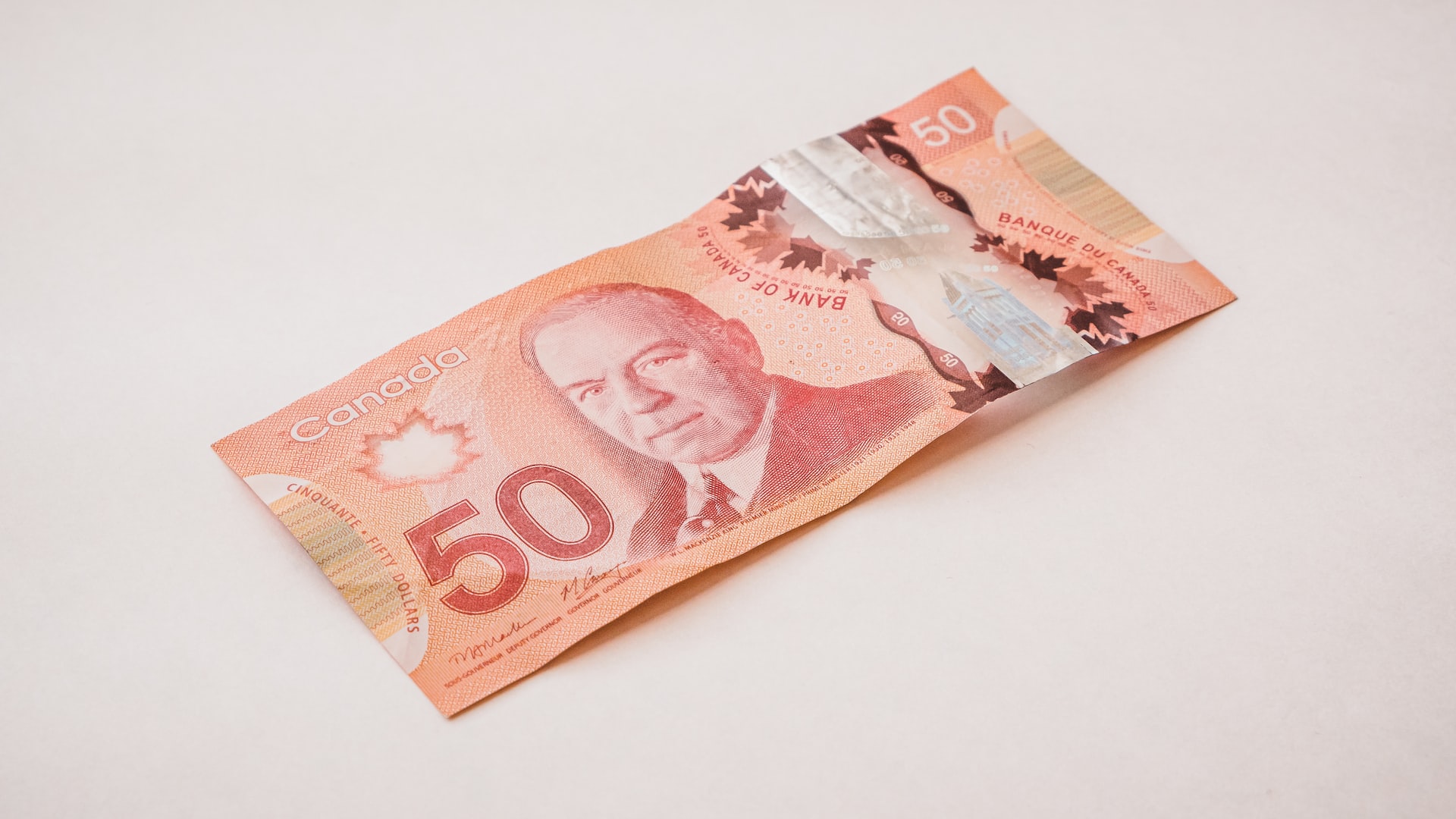
The forex market is the largest and most liquid financial market in the world, with an average daily trading volume of over $6 trillion. It involves the buying and selling of currencies, where one currency is exchanged for another at a specific exchange rate. Major participants in the forex market include banks, financial institutions, corporations, and individual traders like yourself.
2. Currency Pairs and Exchange Rates
In forex trading, currencies are always traded in pairs. Each currency pair represents the exchange rate between two currencies. For example, the EUR/USD pair represents the exchange rate between the Euro and the US Dollar. The first currency in the pair is called the base currency, and the second currency is the quote currency. Exchange rates fluctuate based on supply and demand factors, economic indicators, and geopolitical events.
3. Trading Platforms and Brokers
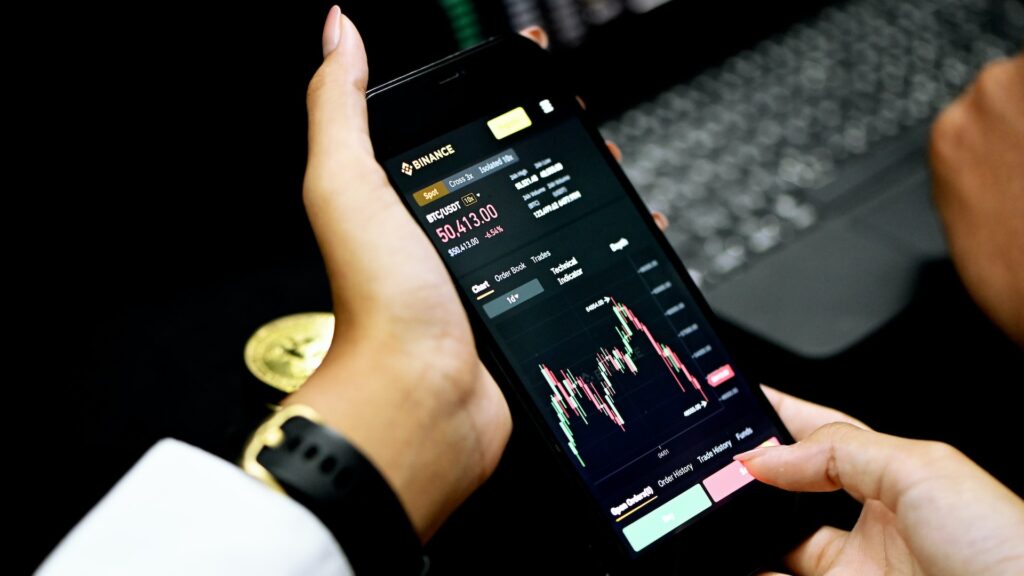
To participate in forex trading, you will need a trading platform. A trading platform is software provided by brokers that allows you to execute trades, access charts and indicators, and manage your account. Choose a reputable forex broker that offers a user-friendly platform, competitive spreads, and reliable customer support. Consider factors such as regulation, trading costs, and available trading tools when selecting a broker.
4. Types of Orders
When trading forex, you can place different types of orders depending on your trading strategy and objectives. The most common types of orders include:
Market Order:
A market order is an order to buy or sell a currency at the current market price. It is executed immediately at the best available price.
Limit Order:
A limit order allows you to set a specific price at which you want to buy or sell a currency. The order will be executed only if the market reaches your specified price.
Stop Order:
A stop order is used to limit potential losses or protect profits. It is placed at a specific price level and is triggered if the market moves against your position, helping you minimize losses.
5. Fundamental and Technical Analysis
Forex traders use two main types of analysis to make informed trading decisions:
Fundamental Analysis:
Fundamental analysis involves studying economic indicators, central bank policies, geopolitical events, and other factors that can impact currency values. By analyzing these factors, traders can assess the intrinsic value of a currency and make predictions about its future direction.
Technical Analysis:
Technical analysis involves studying price charts, patterns, and indicators to identify trends and potential trading opportunities. Traders use tools such as moving averages, support and resistance levels, and oscillators to analyze historical price data and make predictions about future price movements.
6. Risk Management
Risk management is a crucial aspect of forex trading. It involves implementing strategies to protect your capital and minimize potential losses. Set a risk tolerance level and use proper position sizing techniques to ensure that you don’t risk too much on a single trade. Implement stop-loss orders to limit potential losses and use leverage responsibly.
Conclusion
Forex trading offers exciting opportunities for individuals to participate in the global financial markets. By understanding the basics of the forex market, currency pairs, trading platforms, order types, analysis techniques, and risk management, beginners can start their forex trading journey with confidence. Remember to continue learning, practicing, and refining your strategies to improve your trading skills over time.