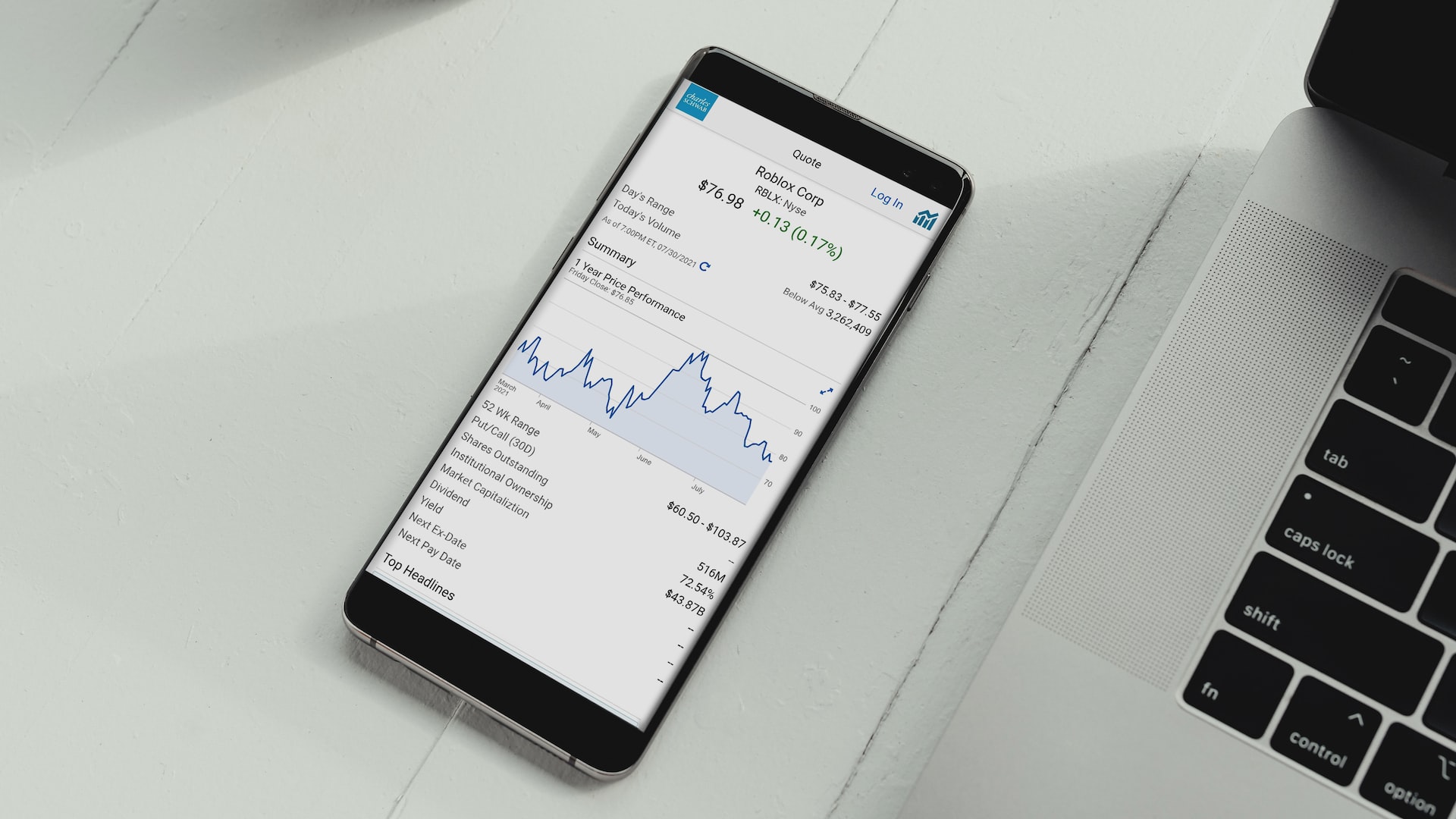
Introduction to Automated Forex Trading
Automated forex trading, also known as algorithmic trading, involves the use of computer programs to execute trades in the forex market based on predefined rules and algorithms. These software programs analyze market data, identify trading opportunities, and automatically execute trades without human intervention.
2. Advancements in Artificial Intelligence
One of the key factors shaping the future of automated forex trading is the rapid advancement of artificial intelligence (AI) technology. AI algorithms can process vast amounts of data and adapt to changing market conditions, enabling more accurate and sophisticated trading strategies. Machine learning techniques allow these algorithms to improve over time by learning from past trading patterns and outcomes.
3. Integration of Big Data Analytics
The integration of big data analytics is another area with great potential for the future of automated forex trading. By analyzing large volumes of structured and unstructured data from various sources, including social media, news articles, and economic indicators, automated trading systems can gain valuable insights and make more informed trading decisions. This can lead to improved profitability and risk management.
4. Expansion of High-Frequency Trading
High-frequency trading (HFT) is a form of automated trading that relies on executing a large number of trades at very high speeds. As technology continues to advance, HFT is expected to expand further in the forex market. This can result in increased liquidity, tighter spreads, and improved price efficiency. However, it also raises concerns about market stability and fairness.
5. Integration of Blockchain Technology
Blockchain technology has the potential to revolutionize various aspects of the financial industry, and automated forex trading is no exception. By utilizing distributed ledger technology, forex transactions can be executed securely and transparently, reducing the need for intermediaries. Smart contracts can automate trade settlement processes, reducing costs and increasing efficiency.
6. Regulatory Challenges and Considerations
As automated forex trading continues to evolve, regulators face the challenge of keeping up with the pace of technological advancements. Ensuring market integrity, preventing market manipulation, and protecting investors are key considerations. Regulatory frameworks will likely need to adapt to address the unique risks and complexities associated with automated trading systems.
7. Benefits for Traders
The future of automated forex trading holds several benefits for traders. These include:
7.1 Increased Efficiency and Speed
Automated trading systems can execute trades at lightning-fast speeds, enabling traders to capitalize on market opportunities instantaneously.
7.2 Removal of Emotional Bias
By eliminating the emotional element from trading decisions, automated systems help traders stick to their strategies and avoid impulsive actions.
7.3 Enhanced Risk Management
Automated trading systems can implement risk management parameters, such as stop-loss and take-profit levels, to manage risk effectively and protect capital.
7.4 Improved Accuracy and Consistency
AI-powered algorithms can analyze market data with great accuracy and consistency, leading to more reliable trading decisions.
8. Conclusion
The future of automated forex trading is filled with exciting possibilities. Advancements in artificial intelligence, big data analytics, and blockchain technology are set to reshape the industry. While regulatory challenges exist, the benefits for traders, including increased efficiency, removal of emotional bias, enhanced risk management, and improved accuracy, make it an attractive avenue for both individual and institutional traders. As technology continues to advance, it is crucial for traders to stay informed and adapt to the changing landscape of automated forex trading.