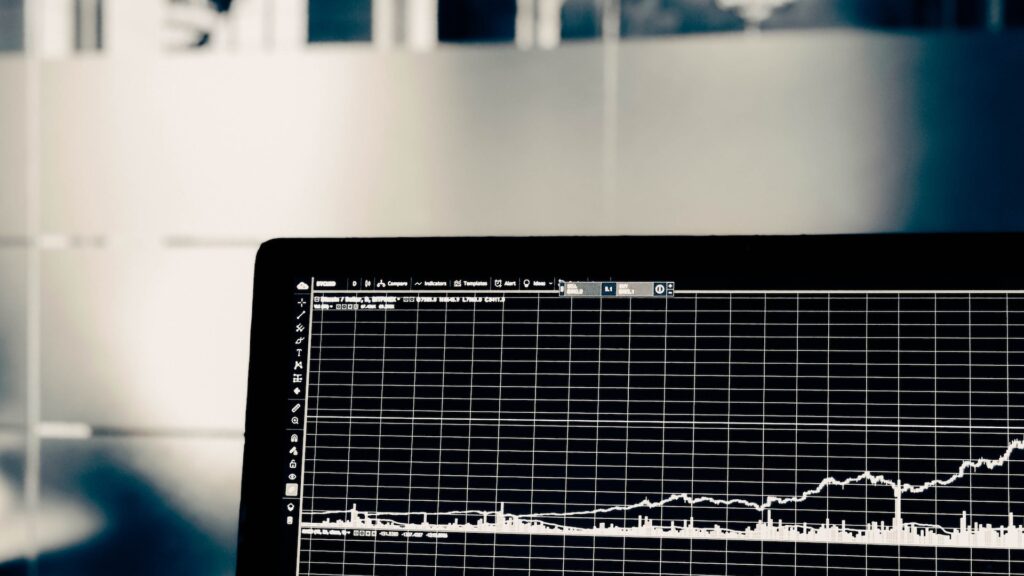
Introduction to Automated Software in Forex Trading
Automated software, also known as forex robots or expert advisors (EAs), is computer software that utilizes predefined rules and algorithms to execute trades in the forex market. These programs are designed to analyze market data, identify trading opportunities, and automatically execute trades without the need for human intervention.
2. Enhanced Trade Execution
One of the primary roles of automated software in forex trading is to enhance trade execution. These programs can execute trades at lightning-fast speeds, taking advantage of even the smallest market movements. This eliminates the delay caused by manual trade execution, ensuring that traders can capitalize on opportunities as soon as they arise.
3. Elimination of Emotional Bias
Emotional bias is a common pitfall that traders often face. Fear, greed, and other emotions can cloud judgment and lead to impulsive trading decisions. Automated software eliminates this emotional bias by strictly following predefined rules and algorithms. This helps traders stick to their strategies and avoid making decisions based on short-term emotions.
4. Increased Efficiency and Time Savings
Automated software streamlines the forex trading process, enabling traders to execute trades more efficiently. These programs can monitor multiple currency pairs, analyze market data, and execute trades simultaneously. This saves traders valuable time and allows them to focus on other important aspects of their trading strategies.
5. Backtesting and Optimization
Automated software provides traders with the ability to backtest and optimize their trading strategies. By using historical market data, traders can simulate their strategies and evaluate their performance. This helps identify strengths and weaknesses, leading to informed adjustments and improvements in the trading approach.
6. Risk Management and Trade Automation
Effective risk management is crucial in forex trading. Automated software allows traders to implement risk management parameters, such as stop-loss and take-profit levels, to manage risk effectively. Additionally, traders can automate trade entry and exit based on predefined criteria, ensuring trades are executed without hesitation and in line with their risk management strategy.
7. Continuous Monitoring and Market Analysis
Forex markets operate 24/7, making it impossible for traders to monitor the market at all times. Automated software solves this problem by continuously monitoring the market, analyzing price movements, and identifying trading opportunities. This ensures that traders do not miss out on potential profitable trades, even when they are not actively monitoring the market.
8. Conclusion
The role of automated software in forex trading cannot be overstated. It has revolutionized the way traders approach the market by enhancing trade execution, eliminating emotional bias, increasing efficiency, and providing valuable tools for risk management and trade automation. By leveraging the power of technology, traders can optimize their strategies, save time, and improve their overall trading performance. As the forex market continues to evolve, automated software will remain a valuable asset for traders seeking a competitive edge.