

Introduction
Timing your trades right is a crucial aspect of maximizing profits in the financial markets. By employing effective timing strategies, traders can take advantage of market trends, volatility, and key price levels. In this blog post, we will explore some strategies that can help you optimize your trading timing and increase your chances of profitability. Let’s dive in.
1. Technical Analysis
Technical analysis is a popular approach used by traders to analyze historical price data and identify potential future price movements. By studying patterns, trends, and indicators, traders can make informed decisions about when to enter or exit trades. Here are some key technical analysis strategies:
1.1 Trend Following
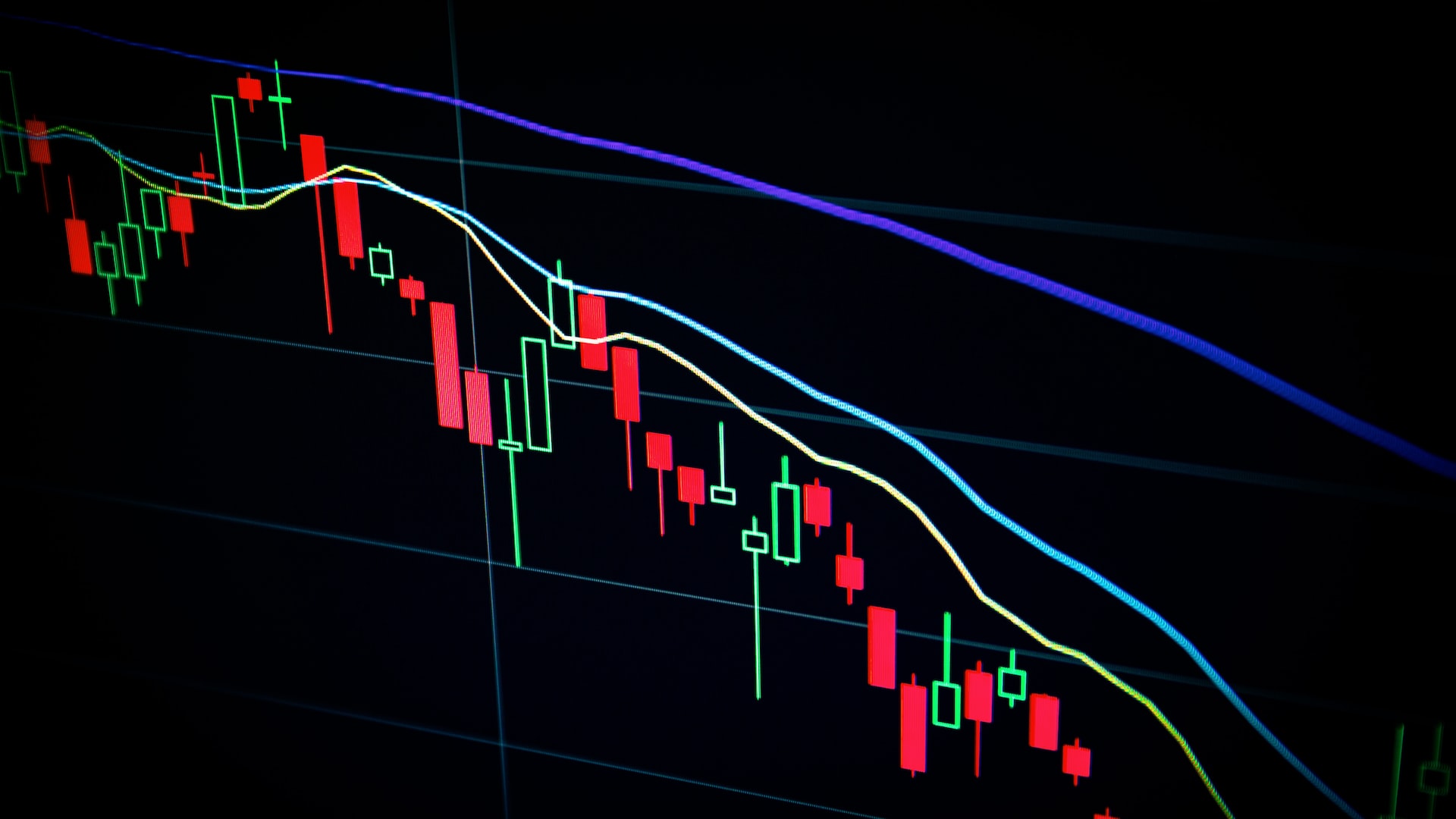
Trend following is a strategy that involves identifying and trading in the direction of the prevailing market trend. Traders can use various indicators, such as moving averages or trend lines, to determine the trend’s direction and strength. By entering trades in line with the trend, traders increase the probability of capturing profitable moves.
1.2 Support and Resistance
Support and resistance levels are price levels where the market has historically shown buying or selling pressure. Traders can use these levels to time their trades. Buying near support levels and selling near resistance levels can be an effective strategy to maximize profits. Additionally, breakouts above resistance or below support levels can signal potential trend reversals or continuation.
2. Fundamental Analysis
Fundamental analysis involves analyzing economic, financial, and geopolitical factors that can impact the value of an asset. By understanding the underlying fundamentals, traders can make better-informed decisions about when to enter or exit trades. Here are some key fundamental analysis strategies:
2.1 Economic Calendar
Traders should keep an eye on economic calendars that provide information about important economic releases, such as GDP, employment data, or central bank announcements. These releases can create volatility and trading opportunities. By aligning their trades with market-moving events, traders can take advantage of potential price fluctuations.
2.2 News and Events
News and geopolitical events can have a significant impact on the financial markets. Traders should stay informed about major news events, such as political developments or corporate earnings releases, that can influence asset prices. By anticipating market reactions to news, traders can time their trades to capture potential price movements.
3. Risk Management
Effective risk management is crucial when timing your trades. Here are some risk management strategies:
3.1 Stop Loss Orders
Placing stop loss orders helps limit potential losses if the trade goes against you. By setting a predetermined exit point, traders can protect their capital and minimize the impact of unfavorable market movements.
3.2 Take Profit Orders
Take profit orders allow traders to lock in profits when the price reaches a predetermined level. By setting a target for profit-taking, traders can avoid the temptation to hold onto a trade for too long, potentially giving back gains.
Conclusion
Timing your trades right is a key factor in maximizing profits in the financial markets. By employing effective timing strategies, such as technical analysis, fundamental analysis, and risk management, traders can increase their chances of profitability. It’s important to remember that no strategy guarantees success, and traders should continuously adapt and refine their approach based on market conditions. By staying informed, disciplined, and patient, traders can improve their timing and achieve better trading results.