

Introduction
Software-based forex trading has revolutionized the way traders participate in the foreign exchange market. In this blog post, we will explore the future of software-based forex trading and the trends that are shaping the industry.
1. Advanced Trading Algorithms
The future of software-based forex trading lies in the development of more advanced trading algorithms. These algorithms will leverage artificial intelligence and machine learning technologies to analyze vast amounts of data, identify patterns, and make accurate predictions. Advanced algorithms will enable traders to automate their trading strategies with greater precision and efficiency, leading to improved trading performance.
2. Integration of Big Data
Big data has already had a significant impact on various industries, and forex trading is no exception. In the future, software-based forex trading will continue to integrate big data analytics to gain deeper insights into market trends, sentiment analysis, and economic indicators. By leveraging big data, traders can make more informed trading decisions, identify emerging market opportunities, and manage risks effectively.
3. Cloud-Based Trading Platforms
Cloud computing has transformed the way businesses operate, and the future of software-based forex trading will see the widespread adoption of cloud-based trading platforms. Cloud-based platforms offer numerous advantages, including faster trade execution, scalability, and accessibility from any device with an internet connection. Traders will have the flexibility to access their trading accounts and execute trades from anywhere in the world, enhancing convenience and productivity.
4. Mobile Trading Applications
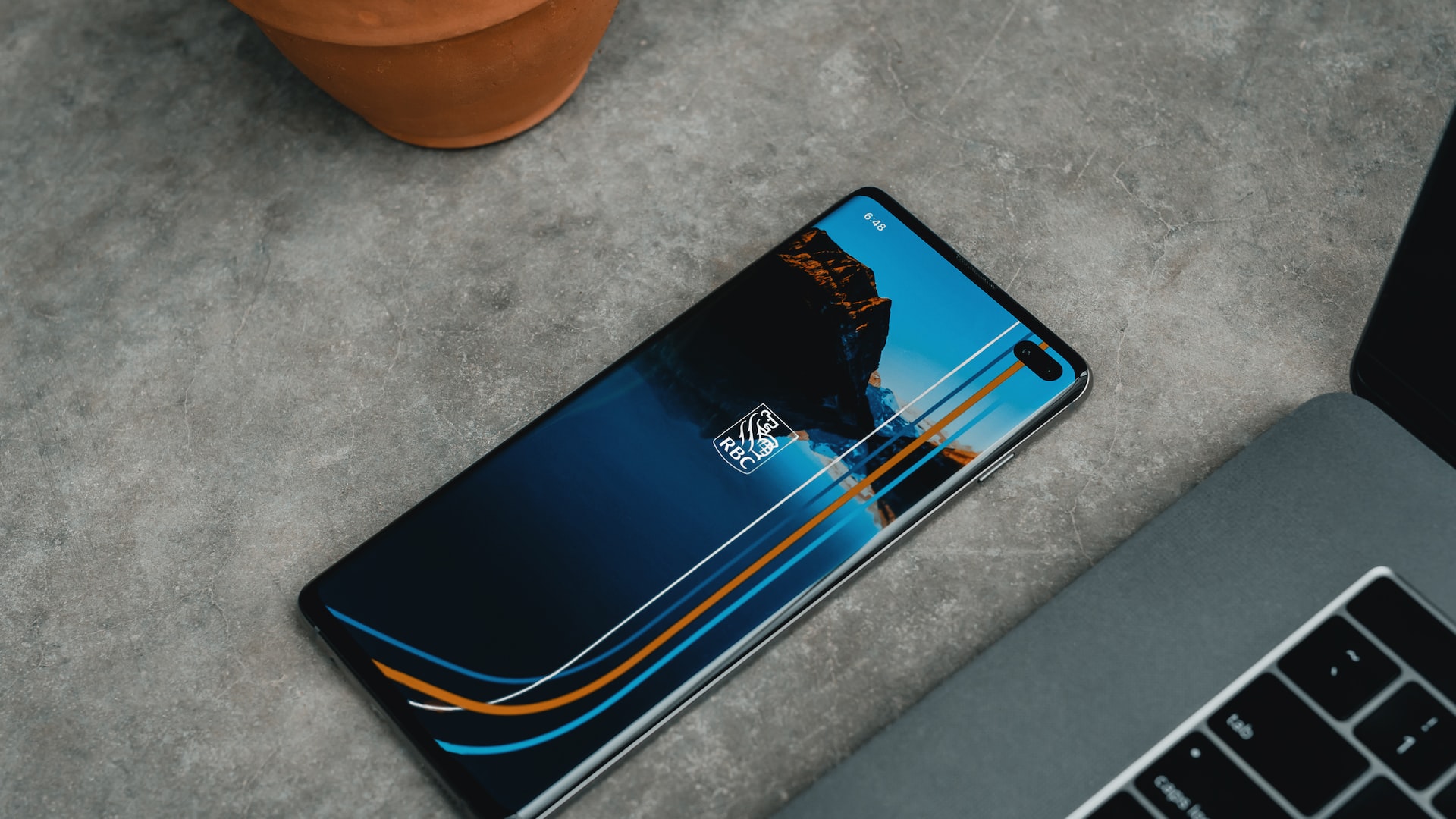
Mobile technology has become an integral part of our lives, and the future of software-based forex trading will heavily rely on mobile trading applications. Traders will have the ability to monitor the markets, execute trades, and manage their portfolios from their smartphones or tablets. Mobile trading applications will provide real-time market data, advanced charting tools, and customizable alerts, empowering traders to stay connected and capitalize on market opportunities on the go.
Conclusion
The future of software-based forex trading is promising, with advancements in trading algorithms, the integration of big data, the adoption of cloud-based platforms, and the proliferation of mobile trading applications. These trends will enable traders to automate their strategies more effectively, make data-driven decisions, and access the markets with greater convenience. As technology continues to evolve, software-based forex trading will continue to enhance the efficiency and profitability of forex trading for traders worldwide.