What is Forex Trading and How Does it Work?
If you’re interested in financial markets, you’ve likely come across the term “forex trading.” But what exactly is forex trading, and how does it work? In this blog post, we’ll provide a comprehensive overview of forex trading, including its definition, participants, key features, and the mechanics behind it.
1. Understanding Forex Trading
Forex trading, also known as foreign exchange trading, is the process of buying and selling currencies with the aim of profiting from the fluctuations in their exchange rates. Unlike other financial markets, such as stocks or commodities, forex trading operates in a decentralized manner, with trades conducted over-the-counter (OTC) through a global network of banks, financial institutions, and individual traders.
2. Participants in the Forex Market
The forex market involves various participants, each with different motivations and objectives. The main players in forex trading include:
Retail Traders
Individual traders, like you, who participate in forex trading through online platforms provided by brokers.
Institutional Traders
Financial institutions, hedge funds, and corporations that trade large volumes of currencies to facilitate international business transactions or hedge against currency risks.
Banks
Commercial banks, central banks, and investment banks that act as market makers, providing liquidity and facilitating transactions for their clients.
Brokers
Forex brokers are intermediaries that connect retail traders to the forex market. They provide trading platforms, access to liquidity, and often offer additional services such as educational resources and market analysis.
3. Key Features of Forex Trading
Forex trading has several unique features that distinguish it from other financial markets:
24-Hour Market
The forex market operates 24 hours a day, five days a week, allowing traders to participate at any time, regardless of their location. This continuous market activity is made possible by the overlapping trading sessions in different time zones around the world.
Liquidity
With daily trading volumes surpassing trillions of dollars, the forex market is highly liquid. This means that traders can enter and exit positions quickly at competitive prices, without significantly impacting currency prices.
High Leverage
Forex trading offers the advantage of leverage, allowing traders to control larger positions with a smaller amount of capital. However, it’s important to note that leverage is a double-edged sword and can amplify both profits and losses.
Currency Pairs
In forex trading, currencies are always traded in pairs. The first currency in the pair is the base currency, while the second currency is the quote currency. The exchange rate between the two currencies represents the value of the base currency relative to the quote currency.
4. Mechanics of Forex Trading
The mechanics of forex trading involve several key components:
Trading Platform
To participate in forex trading, you’ll need to use a trading platform provided by a forex broker. The platform allows you to view real-time currency prices, place trades, and access various tools and indicators for analysis.
Market Analysis
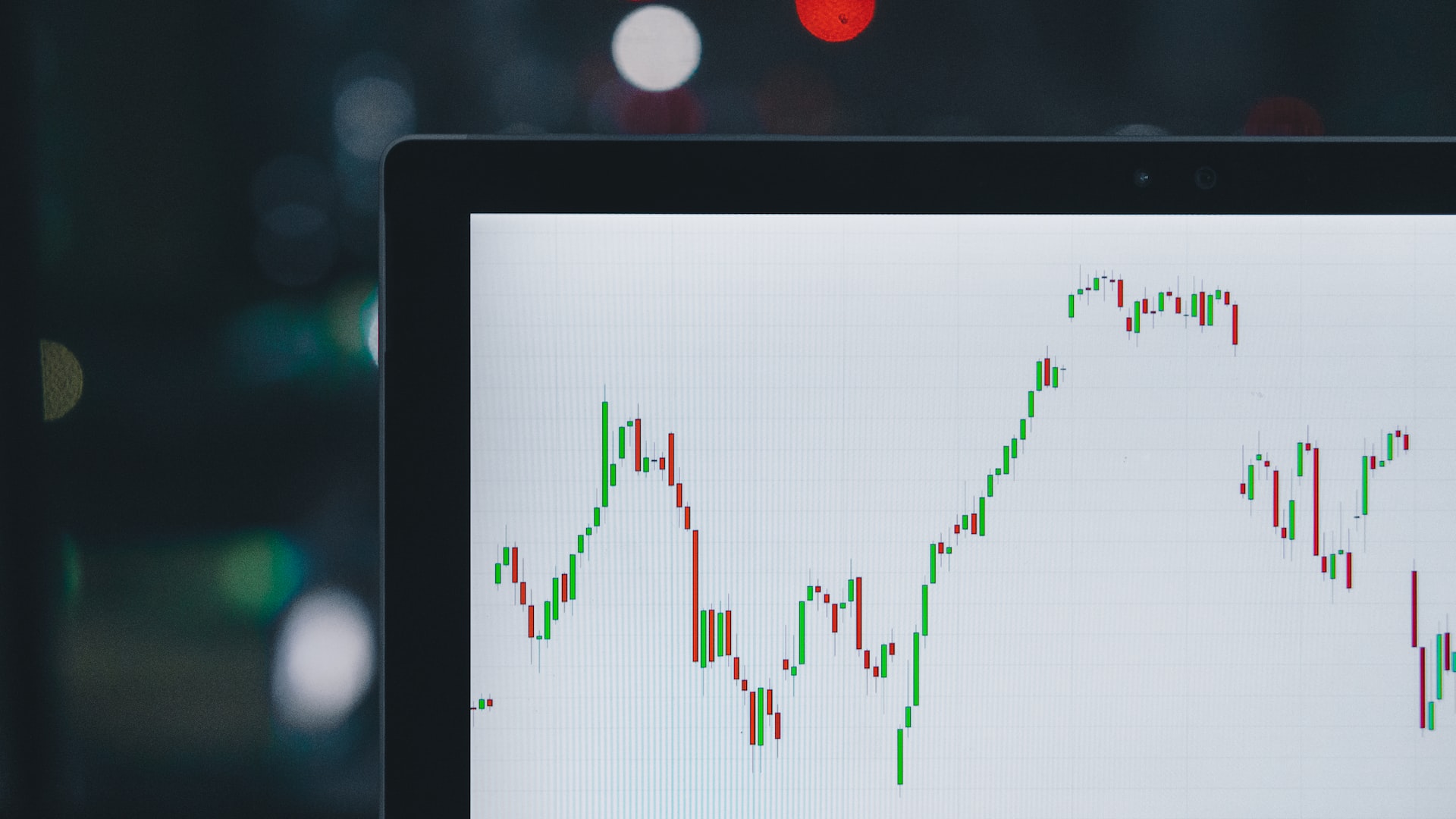
Prior to entering a trade, forex traders analyze the market using different approaches, such as technical analysis, fundamental analysis, or a combination of both. Technical analysis involves studying historical price data and patterns, while fundamental analysis involves evaluating economic indicators and news events that may impact currency prices.
Placing Trades
Once you’ve analyzed the market and identified a trading opportunity, you can place a trade through your broker’s trading platform. You’ll specify the currency pair, trade size, and order type (e.g., market order or limit order).
Risk Management
Managing risk is vital in forex trading. Traders use various risk management techniques, such as setting stop-loss orders to limit potential losses and take-profit orders to secure profits. Additionally, they may employ proper position sizing and employ strategies that help mitigate risk.
Conclusion
Forex trading is a dynamic and accessible market that allows participants to trade currencies and potentially profit from exchange rate fluctuations. By understanding the basics of forex trading, including its definition, participants, key features, and mechanics, you can begin your journey into this exciting financial market. Remember to approach forex trading with proper education, risk management, and a disciplined trading strategy to increase your chances of success.