

Introduction
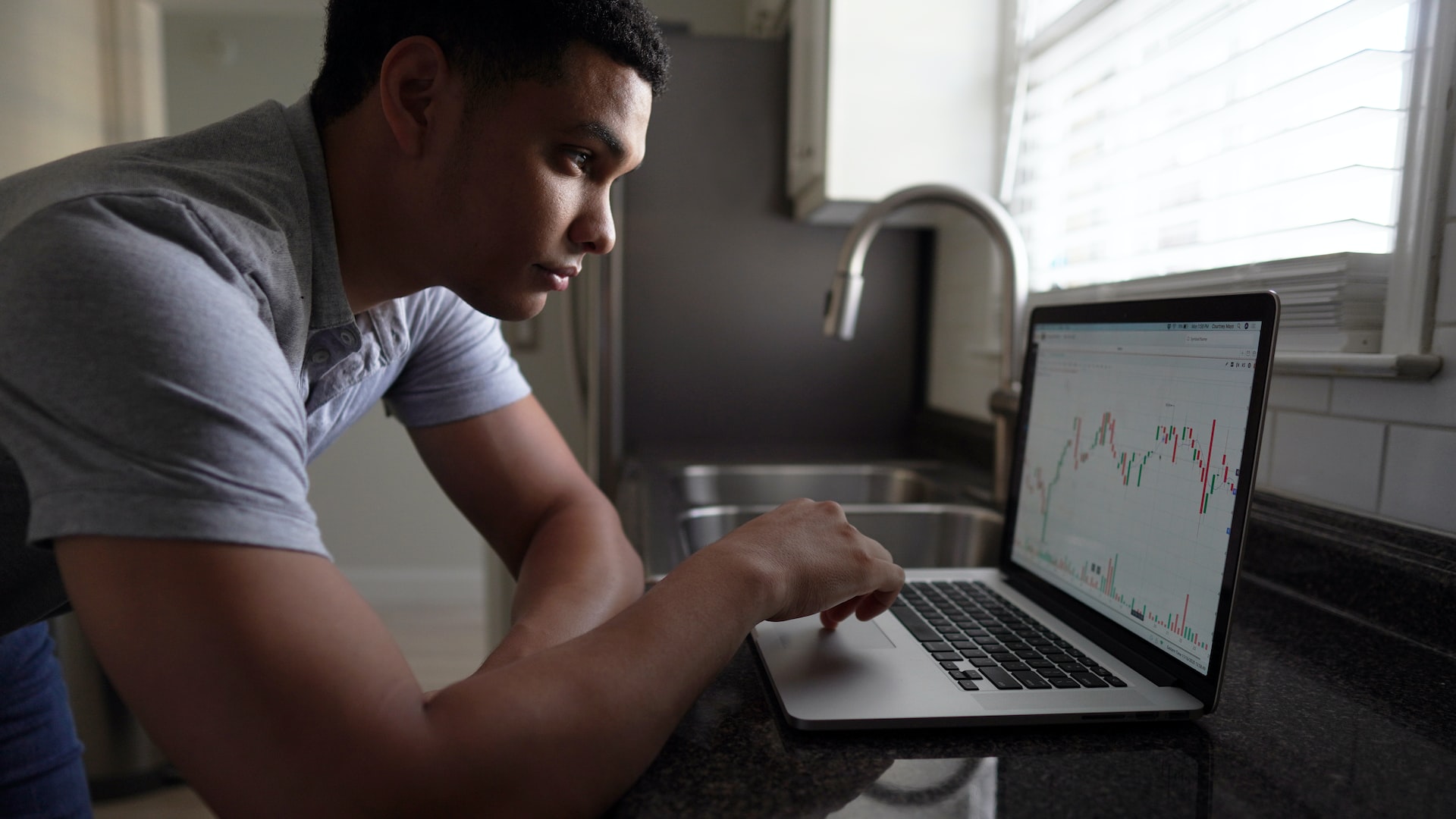
Forex trading has seen a significant transformation with the advent of automation. The future prospects of forex trading with automation are promising, as technological advancements continue to reshape the industry. In this blog post, we will explore the potential benefits and challenges of automated forex trading, and discuss its future prospects in terms of efficiency, accessibility, and profitability.
1. Increased Efficiency
Automation has already improved the efficiency of forex trading, and its future prospects look even more promising. Automated trading systems can execute trades with speed and precision, eliminating human errors and emotions. As technology continues to evolve, automated systems will become more sophisticated, allowing traders to analyze vast amounts of data and execute trades faster than ever before. This increased efficiency will enable traders to capitalize on market opportunities and improve overall performance.
1.1 Artificial Intelligence (AI) Integration
The integration of artificial intelligence (AI) in automated forex trading systems holds great promise for the future. AI algorithms can learn from past market data, identify patterns, and make predictions about future market movements. By leveraging AI capabilities, traders can develop intelligent trading strategies that adapt to changing market conditions. This integration of AI in automation will enhance decision-making processes and potentially generate higher profits for traders.
2. Enhanced Accessibility
Automation has made forex trading more accessible to a wider range of individuals. In the future, this accessibility will continue to expand as technology evolves. Mobile trading platforms and user-friendly interfaces will make it easier for traders to participate in the forex market from anywhere in the world. Additionally, automation will enable traders to execute trades 24/7, reducing the limitations imposed by time zones. The future prospects of enhanced accessibility in forex trading will attract more participants and increase market liquidity.
2.1 Robo-Advisors and Copy Trading
The rise of robo-advisors and copy trading platforms is a testament to the growing accessibility of forex trading. These automated systems allow inexperienced traders to benefit from the expertise of professional traders by automatically replicating their trades. As technology advances, robo-advisors and copy trading platforms will become even more sophisticated, providing personalized investment advice and trade replication strategies. This increased accessibility will empower individuals with limited trading knowledge to participate in the forex market confidently.
3. Alleviating Emotional Bias
One of the significant advantages of automation in forex trading is the ability to alleviate emotional bias. Emotions can cloud judgment and lead to poor trading decisions. Automated systems, on the other hand, execute trades based on predefined rules, eliminating the impact of human emotions. In the future, advancements in automation will further reduce emotional bias by incorporating sentiment analysis and advanced algorithms that can better interpret market signals. This will result in more objective and disciplined trading, leading to improved profitability.
4. Regulatory Challenges
While the future prospects of forex trading with automation are promising, there are also regulatory challenges to consider. Regulators will need to adapt to the evolving landscape of automated trading and ensure that appropriate safeguards are in place to protect market integrity and investor interests. Striking the right balance between innovation and regulation will be crucial to foster a sustainable and transparent automated forex trading environment.
Conclusion
The future prospects of forex trading with automation are bright. Increased efficiency, enhanced accessibility, and the ability to alleviate emotional bias are just some of the benefits that automation brings to the forex market. As technology continues to advance, the integration of AI, the rise of robo-advisors, and the development of sophisticated trading algorithms will further enhance the prospects of automated forex trading. However, regulatory challenges must be addressed to ensure a fair and secure trading environment. Overall, automation is set to revolutionize forex trading, making it more efficient, accessible, and potentially more profitable for traders around the world.