

Introduction
Forex trading can be a complex and challenging endeavor, but by following best practices recommended by industry experts, traders can improve their chances of success. In this blog post, we will explore some of the best practices in forex trading that can help traders navigate the market with confidence and achieve their trading goals.
1. Develop a Solid Trading Plan
1.1 Setting Clear Goals
Before diving into forex trading, it’s essential to establish clear goals. These goals can include profit targets, risk tolerance levels, and timeframes for achieving specific milestones. By defining goals, traders can create a roadmap for their trading journey and stay focused on their objectives.
1.2 Defining Risk Management Strategies
Experts emphasize the importance of risk management in forex trading. Traders should identify risk levels they are comfortable with and implement appropriate risk management strategies, such as setting stop-loss orders, using proper position sizing techniques, and diversifying their portfolios. This helps protect their capital and minimize potential losses.
2. Continuous Learning and Education
2.1 Staying Informed About Market Developments
Forex markets are influenced by various economic, political, and social factors. Experts recommend staying updated on market developments and understanding how these factors can impact currency prices. Traders should regularly read financial news, follow reputable sources, and analyze economic indicators to make informed trading decisions.
2.2 Expanding Trading Knowledge and Skills
Continuous learning is crucial in forex trading. Experts advise traders to invest time in expanding their trading knowledge and skills. This can involve studying technical and fundamental analysis, learning about different trading strategies, and staying abreast of new developments in the field. By enhancing their knowledge, traders can make more informed decisions and adapt to changing market conditions.
3. Practice Patience and Discipline
3.1 Avoiding Impulsive Trading
Experts stress the importance of avoiding impulsive trading decisions. Emotional trading can lead to poor judgment and irrational decision-making. Traders should practice patience and discipline, waiting for optimal trading setups and following their predefined trading plans. This helps remove emotions from trading and increases the likelihood of making rational and objective decisions.
3.2 Maintaining Trading Discipline
Consistency is key in forex trading. Experts advise traders to stick to their trading strategies and not deviate from their predefined rules. This includes following risk management techniques, executing trades based on sound analysis, and avoiding the temptation to chase quick profits. Maintaining discipline helps establish a structured approach to trading and improves long-term trading performance.
4. Utilize Technology and Tools
4.1 Using Trading Platforms and Software
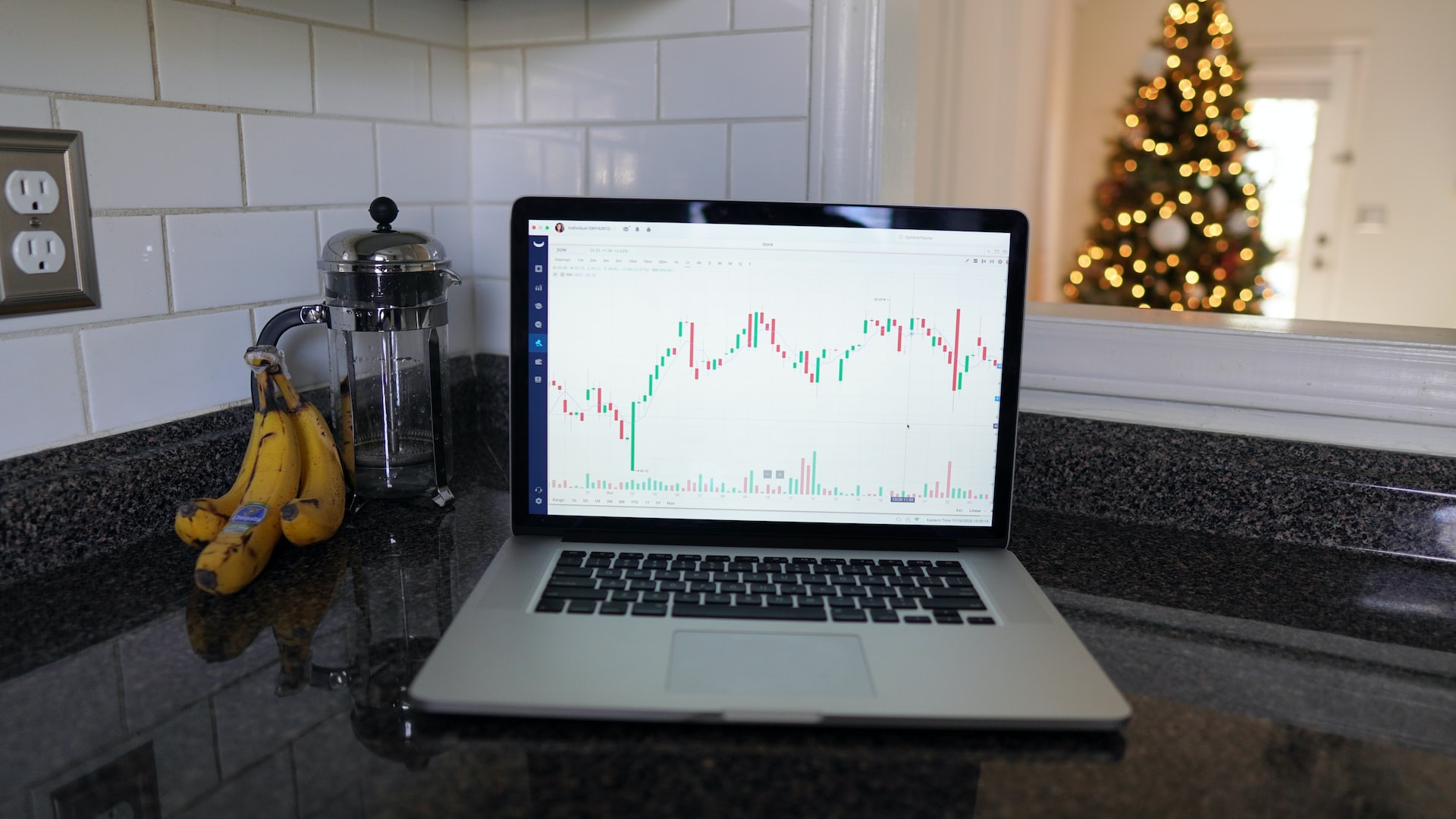
Experts recommend utilizing trading platforms and software to enhance trading efficiency and effectiveness. These tools provide access to real-time market data, advanced charting capabilities, and automated trading features. By leveraging technology, traders can analyze markets more effectively, execute trades swiftly, and implement automated strategies for improved results.
4.2 Utilizing Risk Management Tools
Various risk management tools are available to help traders protect their capital and manage their exposure. These tools include stop-loss orders, take-profit orders, and trailing stops. Experts advise traders to utilize these tools effectively, setting appropriate levels to limit potential losses and secure profits. This helps ensure proper risk management and protects against adverse market movements.
Conclusion
Following best practices in forex trading can significantly improve a trader’s chances of success. By developing a solid trading plan, continuously learning and expanding trading knowledge, practicing patience and discipline, and utilizing technology and risk management tools, traders can navigate the forex market with greater confidence and achieve their trading goals. However, it’s important to note that no strategy or practice guarantees success in every trade, and traders should always adapt their approach based on market conditions and their individual risk tolerance.