Introduction
George Soros, a prominent investor and philanthropist, is known for his forex trading strategies that have had significant ripple effects on the global economy. In this blog post, we will explore the various ways Soros’ forex strategy can create ripple effects in the global economic landscape.
1. Currency Devaluation and Exchange Rate Volatility
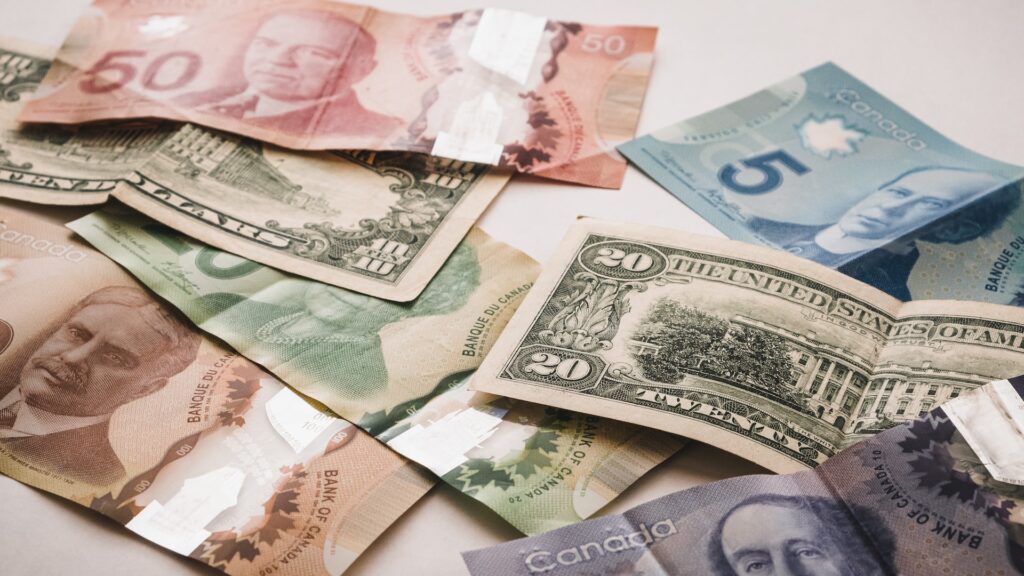
Soros’ forex strategy, particularly when it involves large positions against a currency, can contribute to currency devaluation and increase exchange rate volatility. When a currency experiences devaluation, it can affect trade balances, import/export competitiveness, and overall economic stability.
Devalued currencies can make imports more expensive, impacting businesses and consumers. Exchange rate volatility can create uncertainty for businesses engaged in international trade, making it harder to plan and forecast expenses and revenues.
2. Financial Market Turbulence and Investor Sentiment
Soros’ forex strategy has the potential to create financial market turbulence and influence investor sentiment. When he takes significant positions against a currency, it sends a signal to other market participants, potentially leading to increased selling pressure and market speculation.
Financial market turbulence can create challenges for businesses, investors, and policymakers by introducing uncertainty and making it harder to make informed decisions. Investor sentiment can be influenced by Soros’ actions, leading to changes in investment strategies and capital flows that can impact global markets.
3. Economic Contagion and Spillover Effects
Soros’ forex strategy can trigger economic contagion and spillover effects, particularly in emerging markets or countries with vulnerable economies. When a currency comes under pressure due to Soros’ trades or market speculation, it can create a domino effect, spreading to other related currencies and economies.
Economic contagion can lead to financial crises, recessions, or slowdowns in affected countries, and may even have broader regional or global implications. Spillover effects can impact trade flows, investment patterns, and overall economic growth, creating challenges for policymakers in managing the fallout.
4. Policy Responses and Central Bank Interventions
Soros’ forex strategy can prompt policy responses and central bank interventions from governments and monetary authorities. When a currency faces significant devaluation or market pressure, central banks may take action to stabilize the currency or mitigate its impact on the economy.
Policy responses can include interest rate adjustments, currency interventions, or capital controls. These measures aim to restore stability and prevent excessive currency devaluation, but they can also have wider implications for the overall economy, affecting inflation rates, interest rates, and trade competitiveness.
Conclusion
George Soros’ forex strategy can create global economic ripple effects through currency devaluation, exchange rate volatility, financial market turbulence, and economic contagion. His trading decisions and market influence can impact investor sentiment, influence policy responses, and trigger central bank interventions.
Understanding the potential ripple effects of Soros’ forex strategy is crucial for policymakers, businesses, and investors to navigate the global economic landscape. It highlights the interconnected nature of financial markets and the need for proactive measures to manage risks and promote stability in an increasingly globalized world.