

Introduction
Forex trading quotes provide essential information that can help traders make informed decisions and improve their trading strategies. Understanding how to interpret and utilize these quotes effectively is crucial for success in the forex market. In this blog post, we will explore the various ways you can use forex trading quotes to enhance your trading strategy.
1. Understanding Forex Trading Quotes
1.1 Bid and Ask Prices
Forex trading quotes consist of two prices: the bid price and the ask price. The bid price represents the selling price, while the ask price represents the buying price. These quotes indicate the exchange rate between two currencies and help traders determine the cost of buying or selling a particular currency pair.
1.2 Spread
The spread refers to the difference between the bid and ask prices. It represents the transaction cost incurred when entering or exiting a trade. Understanding the spread is crucial as it affects the profitability of your trades. Lower spreads are generally preferable, as they minimize costs and increase potential profits.
2. Identifying Market Trends
2.1 Analyzing Quote Movements
By monitoring forex trading quotes over time, you can identify market trends and patterns. Analyzing the movements of bid and ask prices can help you determine whether a currency pair is experiencing an upward or downward trend. This information is valuable for predicting future price movements and adjusting your trading strategy accordingly.
2.2 Using Moving Averages
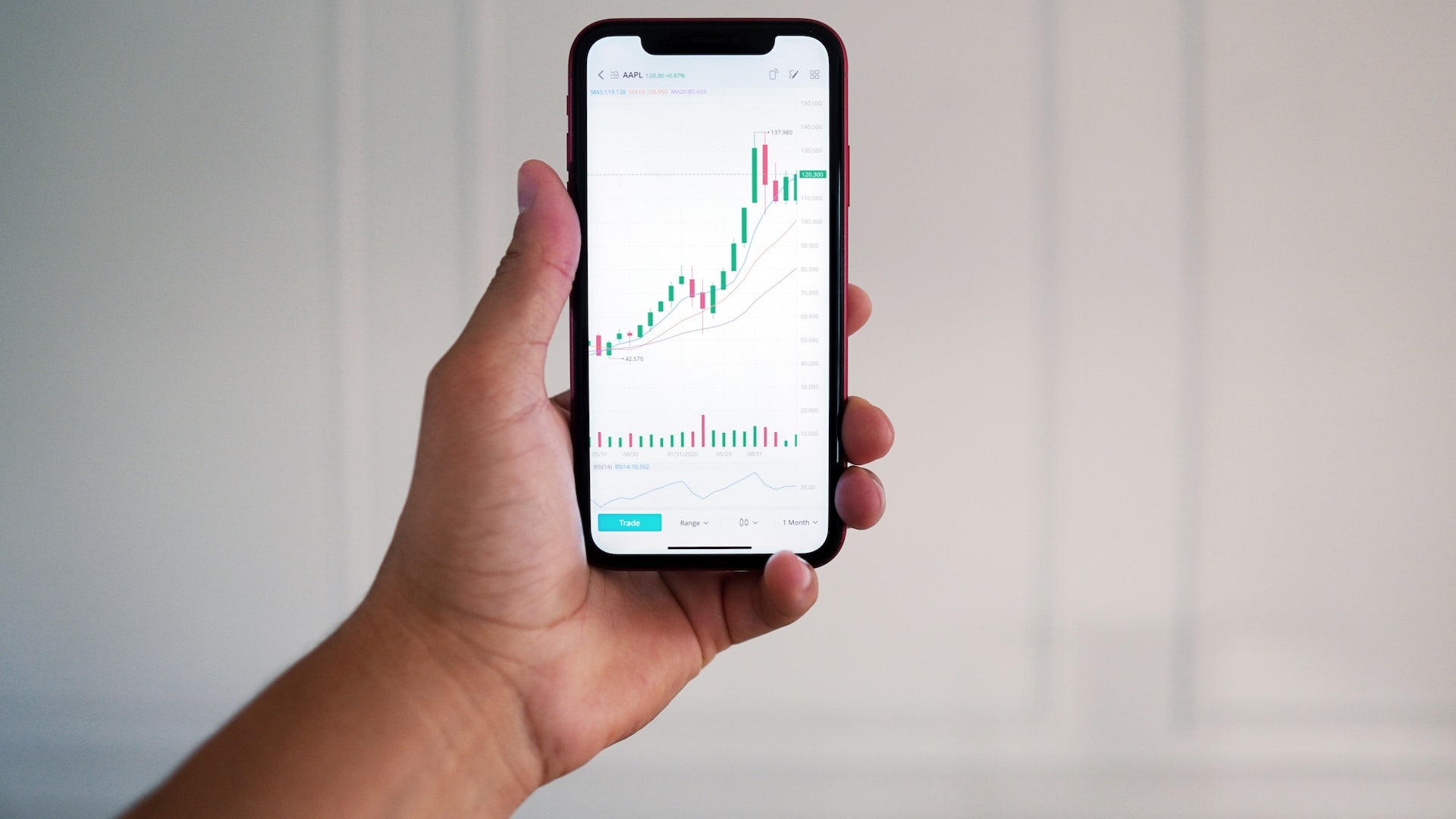
Moving averages are technical indicators that smooth out price fluctuations and provide a clearer picture of market trends. By calculating the average price over a specific period, moving averages help traders identify the direction of the trend. Comparing multiple moving averages can provide additional confirmation and improve the accuracy of your trading decisions.
3. Timing Entry and Exit Points
3.1 Support and Resistance Levels
Forex trading quotes can assist in identifying support and resistance levels, which are key areas where price tends to stall or reverse. Support levels represent price floors, while resistance levels act as price ceilings. By analyzing historical price data and observing quote movements, you can identify these levels and use them to time your entry and exit points effectively.
3.2 Utilizing Oscillators
Oscillators, such as the Relative Strength Index (RSI) and the Stochastic Oscillator, help traders identify overbought and oversold conditions in the market. By analyzing these indicators alongside forex trading quotes, you can determine when a currency pair is likely to reverse direction. This knowledge can aid in timing your trades and maximizing your profits.
4. Managing Risk
4.1 Setting Stop-Loss and Take-Profit Levels
Forex trading quotes play a crucial role in managing risk by helping traders set appropriate stop-loss and take-profit levels. A stop-loss order is placed below the entry price to limit potential losses, while a take-profit order is set above the entry price to secure profits. By considering the volatility of a currency pair and analyzing quote movements, you can determine optimal levels for these orders.
4.2 Monitoring Volatility
Volatility is an essential aspect of forex trading. By observing fluctuations in forex trading quotes, you can gauge the level of volatility in the market. Higher volatility often presents more significant trading opportunities but also carries higher risks. Adjusting your trading strategy based on market volatility can help you manage risk effectively and make informed trading decisions.
Conclusion
Forex trading quotes provide valuable insights that can significantly impact your trading strategy. By understanding bid and ask prices, identifying market trends, timing entry and exit points, and managing risk, you can utilize forex trading quotes to enhance your trading decisions. Continuously monitoring and analyzing these quotes will enable you to stay informed and adapt your strategy to changing market conditions, ultimately improving your chances of success in the forex market.