

Introduction
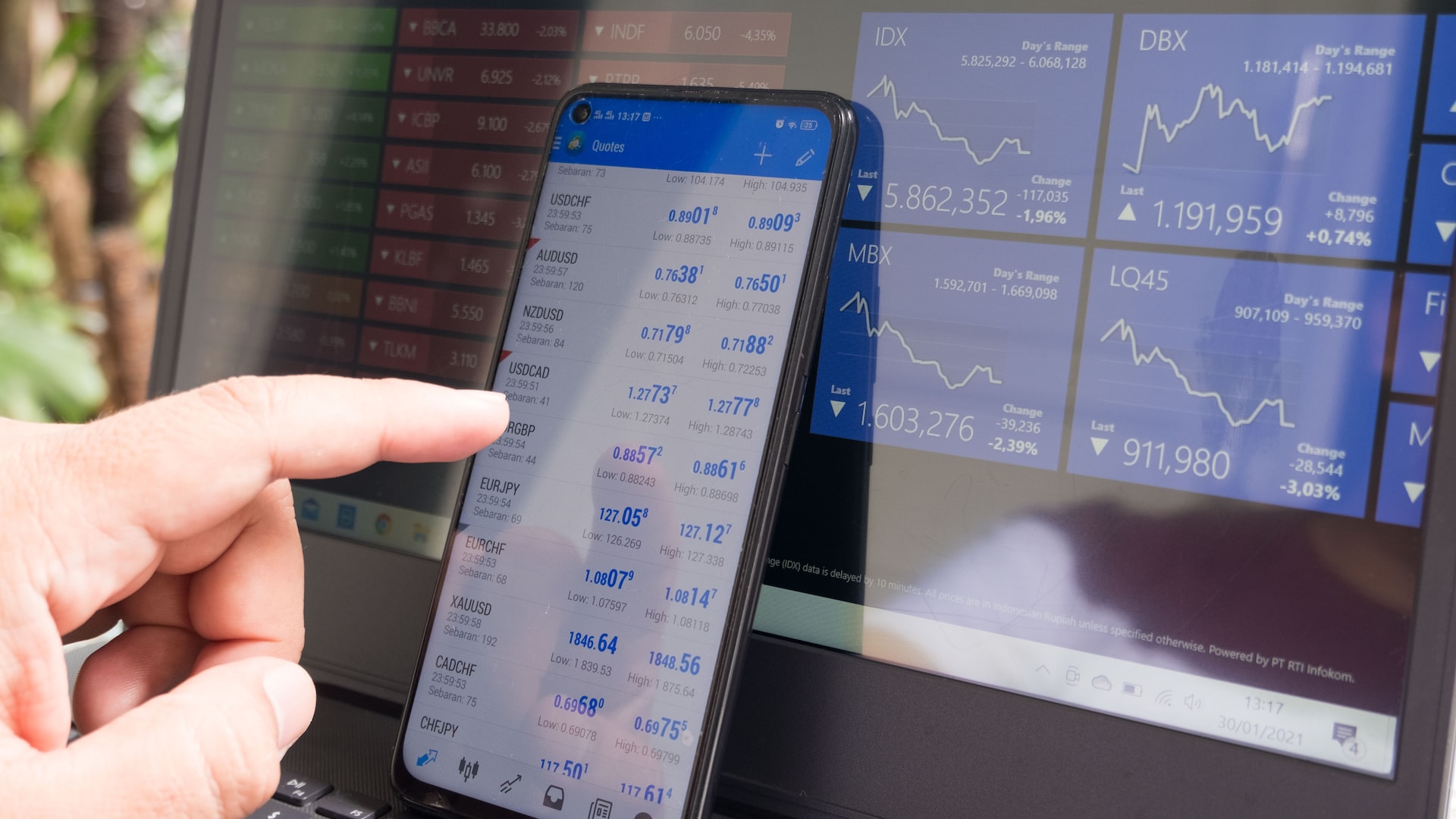
A forex trading platform is a software application that allows traders to access and participate in the foreign exchange (forex) market. In this blog post, we will explore what a forex trading platform is, how it works, and its importance in the world of forex trading.
1. Definition and Functionality
A forex trading platform is a digital tool that enables traders to buy and sell currencies. It provides access to real-time market data, charts, trading tools, and order execution capabilities. Forex trading platforms come in various forms, including desktop applications, web-based platforms, and mobile apps, allowing traders to choose the most convenient option for their trading needs.
2. Market Access
A forex trading platform serves as a gateway to the forex market. It allows traders to connect to liquidity providers, such as banks and financial institutions, where currency prices are determined. Through the platform, traders can access a wide range of currency pairs and execute trades based on their trading strategies and market analysis.
3. Charting and Analysis Tools
Forex trading platforms offer a variety of charting and analysis tools to assist traders in making informed trading decisions. These tools include technical indicators, trend lines, and chart patterns that help traders analyze price movements and identify potential trading opportunities. Advanced platforms may also provide access to economic calendars and news feeds, allowing traders to stay updated on market events and their potential impact on currency prices.
4. Order Execution and Risk Management
A key feature of forex trading platforms is their ability to execute trades quickly and efficiently. Traders can place various types of orders, such as market orders, limit orders, and stop-loss orders, through the platform. Additionally, trading platforms often include risk management tools, such as risk calculators and position sizing options, to help traders manage their exposure and protect their capital.
5. Customizability and Integration
Forex trading platforms offer a high level of customizability, allowing traders to tailor the platform to their preferences and trading style. Traders can often customize chart layouts, indicators, and order types, among other features. Furthermore, trading platforms may offer integration with third-party tools, such as trading robots or expert advisors, enabling automated trading strategies and enhancing traders’ capabilities.
Conclusion
A forex trading platform is an essential tool for traders looking to participate in the forex market. It provides access to real-time market data, charting and analysis tools, order execution capabilities, risk management features, and customizability. Choosing a reliable and user-friendly forex trading platform is crucial for traders to effectively execute their trading strategies and navigate the dynamic world of forex trading.