Introduction
Choosing the right forex trading platform is crucial for your trading success. With a wide range of platforms available, it can be overwhelming to compare and select the most suitable one. In this blog post, we will guide you through the essential factors to consider when comparing different forex trading platforms, helping you make an informed decision.
1. User-Friendly Interface
Subsection: Navigating the Platform
A user-friendly interface is essential for seamless trading. Look for platforms that offer intuitive navigation, clear menus, and customizable layouts. An easy-to-use platform allows you to focus on analyzing the markets and executing trades without getting lost in complex menus or features.
2. Trading Tools and Features
Subsection: Enhancing Your Trading Experience
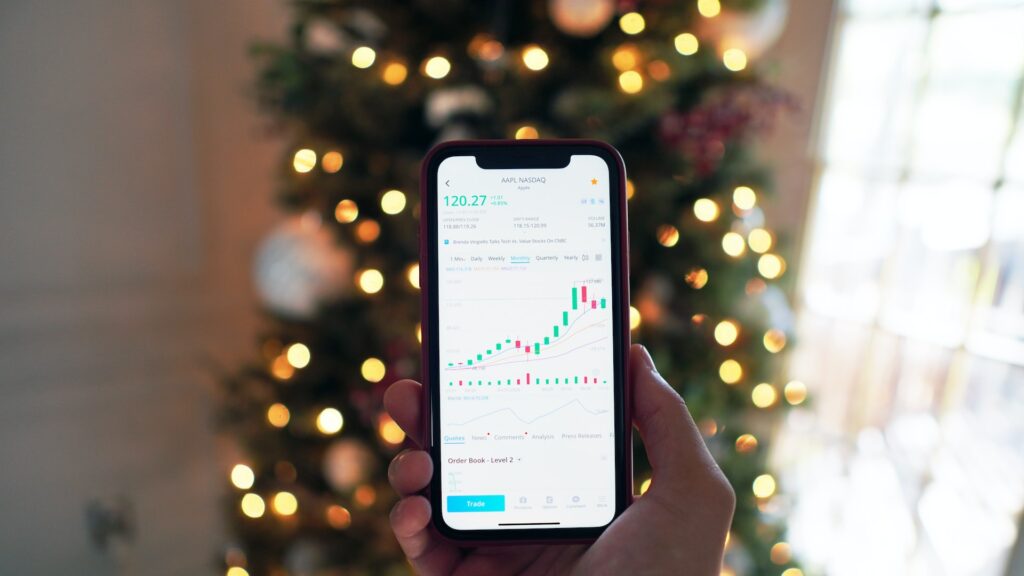
Compare the trading tools and features offered by different platforms. Look for platforms that provide real-time market data, advanced charting capabilities, technical analysis indicators, and drawing tools. Additionally, consider whether the platform offers features like one-click trading, risk management tools, and the ability to set up alerts and notifications.
3. Order Types and Execution
Subsection: Placing and Managing Orders
Examine the available order types on each platform and ensure they align with your trading strategy. Common order types include market orders, limit orders, stop orders, and trailing stops. Additionally, compare the platforms’ order execution speed and reliability, as fast and accurate execution is crucial for taking advantage of market opportunities.
4. Platform Stability and Reliability
Subsection: Ensuring Smooth Performance
Consider the stability and reliability of each trading platform. Look for platforms that have a reputation for uptime and minimal technical issues. A stable platform ensures that you won’t miss out on trading opportunities due to platform downtime or glitches.
5. Mobile Trading Capabilities
Subsection: Trading on the Go
Compare the mobile trading capabilities of different platforms. Mobile trading allows you to monitor the markets, execute trades, and manage your positions from anywhere. Look for platforms that offer user-friendly and feature-rich mobile applications compatible with your device.
6. Customer Support
Subsection: Getting Assistance When Needed
Consider the level of customer support provided by each platform. Look for platforms that offer responsive customer support through various channels, such as live chat, email, or phone. Reliable customer support can be crucial when you encounter technical issues or have questions about the platform’s features.
7. Security and Regulation
Subsection: Protecting Your Funds
Ensure that the trading platforms you compare are regulated by reputable financial authorities. Regulation provides an extra layer of security and ensures that your funds are protected. Look for platforms that use encryption technology to safeguard your personal and financial information.
Conclusion
Comparing different forex trading platforms requires careful consideration of various factors. By evaluating the user-friendly interface, trading tools and features, order types and execution, platform stability and reliability, mobile trading capabilities, customer support, and security and regulation, you can make an informed decision that aligns with your trading needs and preferences.
Remember, each trader has unique requirements, so take the time to explore and test different platforms before making a final decision. By selecting the right forex trading platform, you can enhance your trading experience, execute your strategies effectively, and work towards achieving your financial goals.