What is the Relevance of Technical Analysis in Forex Trade?
Technical analysis plays a significant role in forex trading, offering traders valuable insights into market behavior and potential price movements. In this blog post, we will explore the relevance of technical analysis in forex trade and how it can enhance trading strategies.
Section 1: Understanding Technical Analysis
1.1 Overview of Technical Analysis
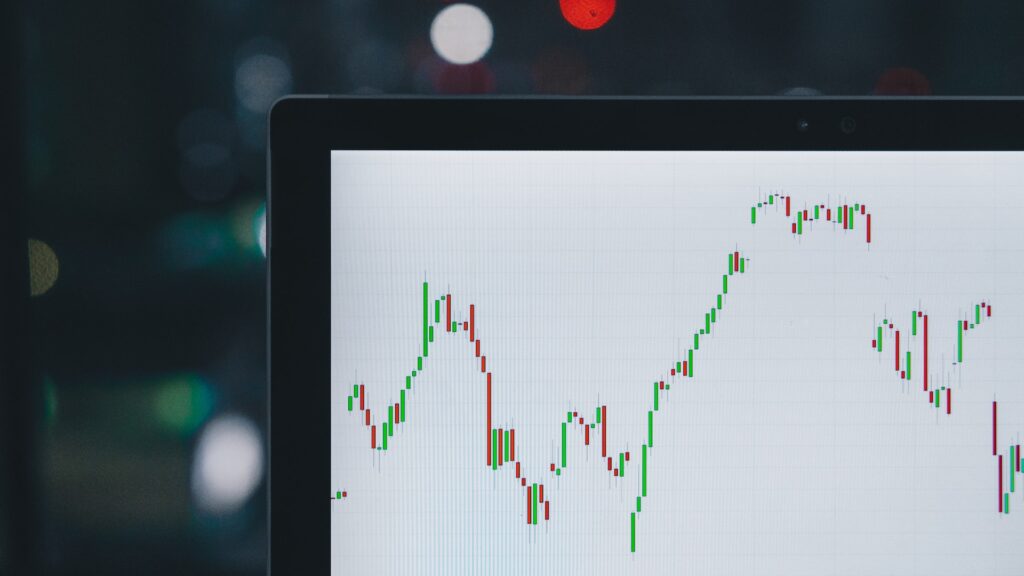
Technical analysis is a method of analyzing financial markets by studying historical price data, chart patterns, and indicators. It focuses on identifying patterns and trends that can help predict future price movements. By understanding key technical analysis concepts, traders can gain a deeper understanding of market dynamics and make more informed trading decisions.
Section 2: The Relevance of Technical Analysis in Forex Trade
2.1 Identifying Market Trends
Technical analysis is instrumental in identifying market trends, which is crucial for forex traders. By studying chart patterns and indicators, traders can determine whether the market is in an uptrend, downtrend, or moving sideways. This information helps traders align their trading strategies accordingly and capitalize on potential opportunities.
2.2 Timing Entry and Exit Points
Technical analysis can assist traders in timing their entry and exit points in forex trade. By analyzing support and resistance levels, trend lines, and indicators, traders can identify potential entry points for initiating trades and exit points for taking profits or cutting losses. This allows traders to optimize their risk-reward ratio and potentially increase profitability.
2.3 Risk Management
Effective risk management is crucial in forex trading, and technical analysis can play a vital role in this aspect. By studying historical price data and volatility indicators, traders can gauge market volatility and set appropriate stop-loss orders to limit potential losses. Technical analysis also helps traders identify when market conditions are unfavorable, allowing them to stay out of risky trades.
2.4 Confirmation of Fundamental Analysis
Technical analysis can complement fundamental analysis in forex trade by providing confirmation or validation for trading decisions. While fundamental analysis focuses on evaluating economic, political, and market factors, technical analysis can confirm or challenge those assessments through chart patterns or indicators. This helps traders make more informed decisions based on multiple perspectives.
2.5 Predicting Price Movements
Technical analysis is often used to predict potential price movements in forex trade. By studying chart patterns, trend lines, and indicators, traders can identify patterns that have historically led to certain price movements. While it does not guarantee accuracy, technical analysis provides traders with a framework to anticipate potential price reversals or continuations, enabling them to adjust their trading strategies accordingly.
Section 3: Conclusion
Technical analysis is highly relevant in forex trade as it provides traders with valuable insights into market trends, helps time entry and exit points, aids in risk management, confirms fundamental analysis, and assists in predicting price movements. By integrating technical analysis into their trading strategies, forex traders can make more informed decisions and potentially improve their trading outcomes.