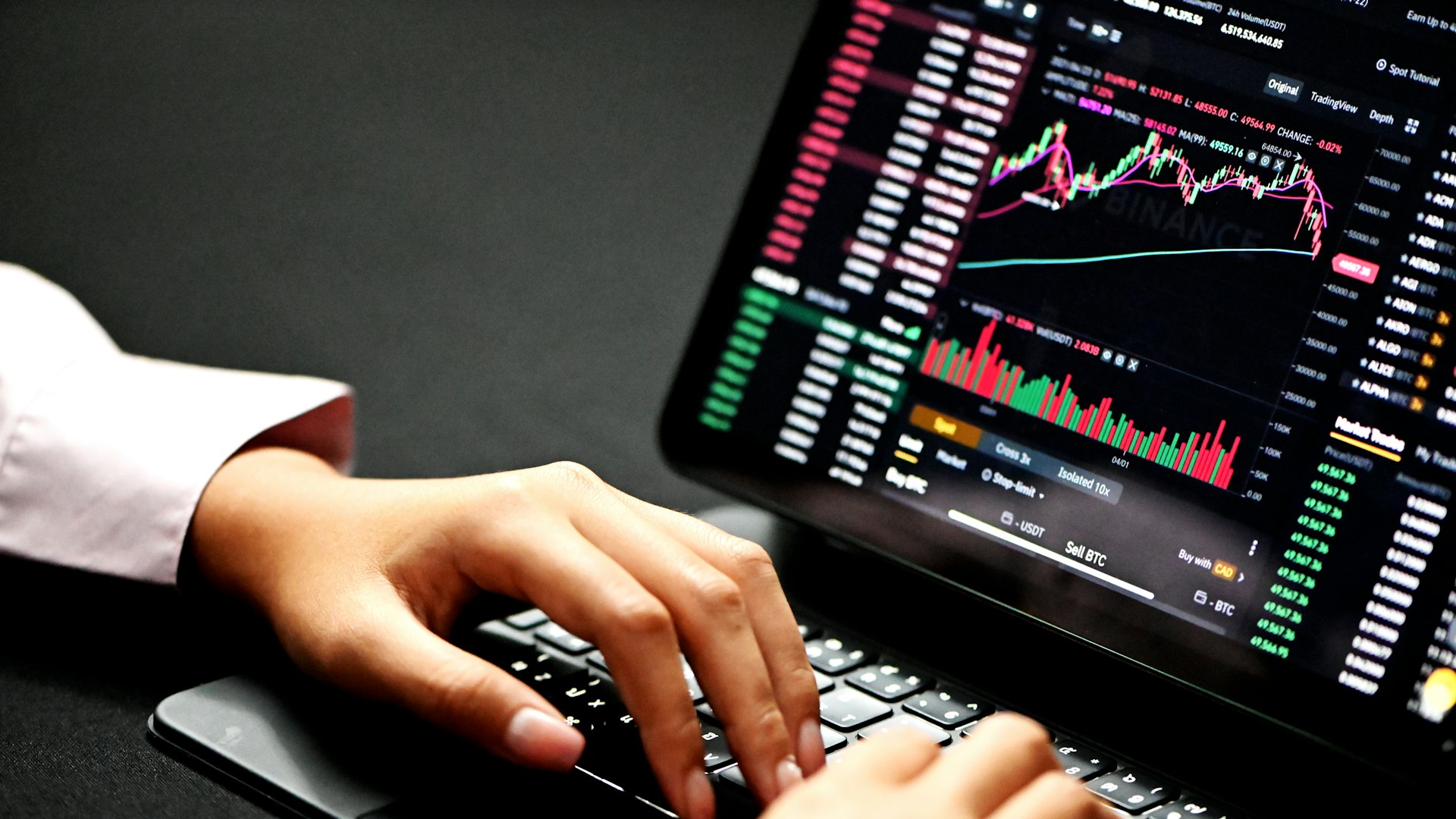
Introduction to AI in Forex Trading
Artificial intelligence refers to the development of computer systems that can perform tasks that typically require human intelligence, such as speech recognition, problem-solving, and decision-making. In forex trading, AI technology is used to analyze vast amounts of data, identify patterns, and make predictions based on historical and real-time market information.
2. AI-Powered Trading Algorithms
AI technology has enabled the development of sophisticated trading algorithms that can analyze market data and make trading decisions with minimal human intervention. These algorithms use machine learning techniques to continuously learn and adapt to changing market conditions, improving their predictive capabilities over time.
2.1. Pattern Recognition
AI-powered algorithms excel at pattern recognition, allowing them to identify complex trends and relationships in the forex market. By analyzing historical data, these algorithms can identify recurring patterns and use them to predict future price movements.
2.2. Sentiment Analysis
AI technology can also analyze news articles, social media posts, and other sources of information to gauge market sentiment. By understanding the collective sentiment of market participants, AI-powered algorithms can make more informed trading decisions and anticipate market reactions to news events.
2.3. Risk Management
AI algorithms can incorporate advanced risk management techniques into trading strategies. By continuously monitoring market conditions and portfolio performance, these algorithms can adjust position sizes, set stop-loss orders, and manage risk in real-time, helping traders to mitigate potential losses.
3. Automation and Efficiency
One of the key benefits of AI technology in forex trading is automation. AI-powered trading systems can execute trades automatically based on predefined rules and algorithms. This automation eliminates the need for manual intervention and allows traders to take advantage of trading opportunities 24/7.
3.1. Faster Execution
AI-powered trading systems can execute trades at lightning-fast speeds, much faster than human traders. This speed is crucial in the forex market, where price movements can happen within milliseconds. By eliminating human latency, AI technology ensures that trades are executed at the optimal price and reduces the risk of missing out on profitable opportunities.
3.2. Enhanced Efficiency
AI technology can analyze vast amounts of data and perform complex calculations within seconds. This efficiency enables traders to process and interpret market information more quickly, allowing them to make more informed trading decisions. With AI-powered tools, traders can identify trading opportunities, analyze risk, and execute trades with greater precision and efficiency.
4. Limitations and Challenges
While AI technology has brought numerous benefits to forex trading, it is not without limitations and challenges:
4.1. Data Quality and Bias
The accuracy and quality of the data used to train AI algorithms are crucial. Biased or incomplete data can lead to inaccurate predictions and flawed trading decisions. Traders must ensure that the data used to train AI models is reliable, diverse, and representative of real-world market conditions.
4.2. Over-Optimization
AI algorithms can be prone to over-optimization, where they are excessively tailored to historical data but fail to perform well in live trading. Traders need to strike a balance between optimizing algorithms based on historical performance and ensuring that they are robust enough to handle future market conditions.
4.3. Regulatory and Ethical Considerations
The use of AI technology in forex trading raises regulatory and ethical considerations. Traders and financial institutions must comply with regulatory requirements and ensure that AI algorithms are transparent, explainable, and free from biases or discriminatory practices.
5. Future Outlook
AI technology will continue to shape the future of forex trading. As AI algorithms become more sophisticated and capable of handling complex market dynamics, traders can expect improved accuracy in predicting market movements, enhanced risk management strategies, and increased automation. However, human expertise and judgment will remain essential in interpreting AI-generated insights and making strategic decisions.
Conclusion
The influence of AI technology on forex trading cannot be overstated. From advanced trading algorithms to automation and efficiency, AI has transformed the way traders approach the market. While there are limitations and challenges, the future outlook for AI in forex trading is promising. Traders who embrace AI technology and leverage its capabilities are likely to gain a competitive edge in the dynamic and ever-evolving forex market.