How Can Politics and Economy Jointly Affect Forex Trading?
Politics and the economy are closely intertwined and can have a significant impact on forex trading. Political events and economic factors can create volatility in the forex market, influencing currency exchange rates and presenting opportunities for traders. In this blog post, we will explore the relationship between politics and the economy and how they jointly affect forex trading.
Section 1: Understanding the Forex Market
Subsection: What is Forex Trading?
The forex market, also known as the foreign exchange market, is where currencies are bought and sold. Traders aim to profit from fluctuations in exchange rates between different currencies. Forex trading is the largest and most liquid financial market globally, with trillions of dollars traded daily.
Section 2: The Influence of Politics on Forex Trading
Subsection: Political Stability and Investor Confidence
Political stability is crucial for investor confidence and can affect currency exchange rates. Stable political environments generally attract foreign investments, leading to increased demand for a country’s currency. On the other hand, political turmoil or uncertainty can lead to capital outflows and currency depreciation.
Subsection: Government Policies and Regulations
Government policies and regulations can impact forex markets. For example, fiscal policies such as taxation and government spending can influence a country’s economic performance and, consequently, its currency. Changes in monetary policies, such as interest rate adjustments or quantitative easing, can also impact exchange rates.
Subsection: Trade and Tariffs
Trade policies and tariffs imposed by governments can significantly affect forex trading. Trade disputes and protectionist measures can create uncertainty and volatility in currency markets. Traders closely monitor political developments related to international trade agreements and negotiate tariffs as they can impact the competitiveness of a country’s exports and influence currency values.
Section 3: The Influence of the Economy on Forex Trading
Subsection: Economic Indicators
Economic indicators, such as GDP growth, inflation rates, employment data, and consumer sentiment, can impact forex trading. Strong economic performance can attract foreign investments, leading to currency appreciation. Conversely, weak economic data can result in currency depreciation.
Subsection: Central Bank Actions
Central banks play a critical role in shaping forex markets through their monetary policies. Interest rate decisions, open market operations, and quantitative easing measures can influence exchange rates. Traders pay close attention to central bank announcements and policy statements as they can provide insights into a country’s economic outlook and potential currency movements.
Subsection: Market Sentiment and Risk Appetite
Market sentiment and risk appetite can impact forex trading. Economic factors, such as global economic growth, geopolitical tensions, and financial market stability, influence investor confidence and risk appetite. Positive market sentiment can lead to increased demand for higher-yielding currencies, while risk aversion can drive investors towards safe-haven currencies.
Section 4: Strategies for Trading Forex in a Political and Economic Environment
Subsection: Fundamental Analysis
Fundamental analysis involves analyzing economic indicators, political developments, and central bank policies to predict currency movements. Traders use economic calendars, news releases, and geopolitical analysis to assess the impact of political and economic events on exchange rates. This information helps them make informed trading decisions.
Subsection: Technical Analysis
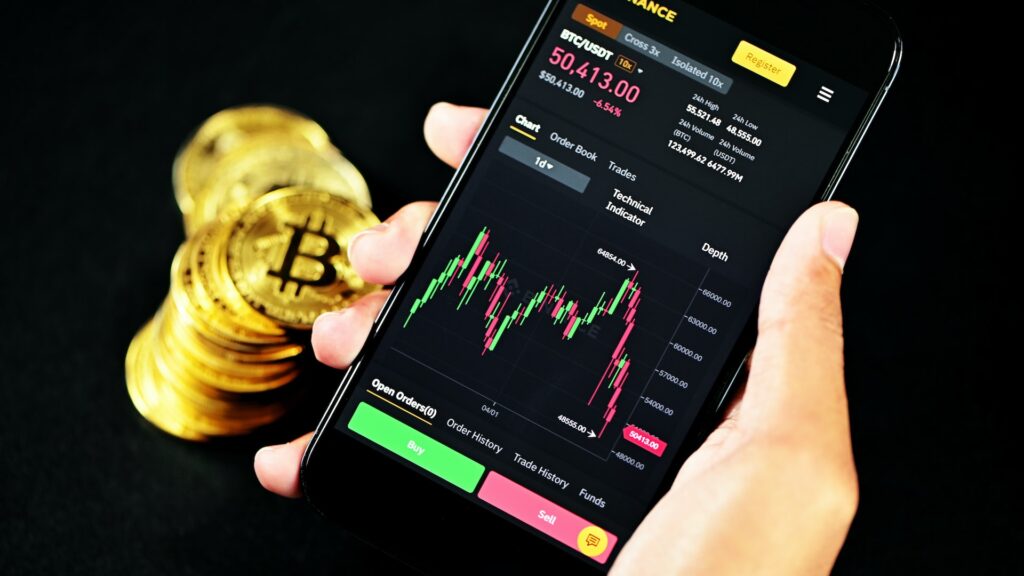
Technical analysis involves studying historical price patterns and using indicators to identify potential entry and exit points. Traders analyze charts and trends to understand how political and economic events have influenced past price movements. Technical analysis complements fundamental analysis and helps traders identify trading opportunities.
Section 5: Conclusion
Politics and the economy jointly influence forex trading. Political stability, government policies, trade agreements, economic indicators, and central bank actions all play a role in shaping currency exchange rates. Traders need to stay informed about political developments, economic indicators, and market sentiment to make informed trading decisions. By combining fundamental and technical analysis, traders can navigate the complexities of the forex market and capitalize on opportunities presented by the interaction between politics and the economy.