

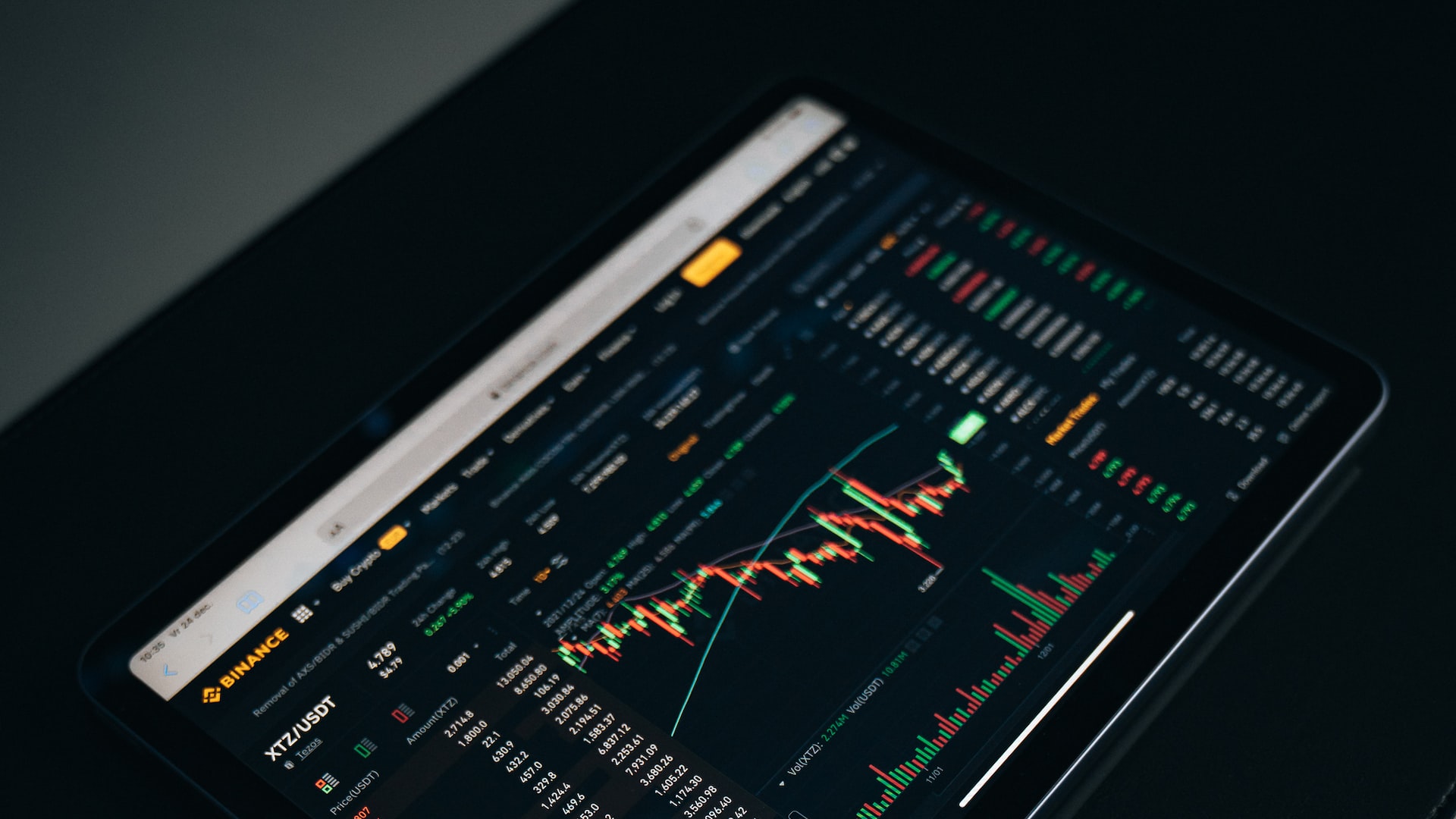
Introduction to Online Trading Platforms
Online trading platforms have played a pivotal role in the digital transformation of currency trading. These platforms, provided by brokers, allow traders to execute trades, monitor market movements, and access essential information and analysis tools. With a user-friendly interface, real-time data, and advanced charting capabilities, online trading platforms have made currency trading more accessible to traders of all levels.
1.2 Benefits of Online Trading Platforms
Online trading platforms offer numerous benefits to currency traders. They provide instant access to global markets, enabling traders to execute trades at any time and from anywhere in the world. These platforms also offer a wide range of order types, allowing traders to implement various trading strategies. Additionally, they provide real-time market news and analysis, helping traders stay informed and make well-informed trading decisions.
2. Algorithmic Trading
2.1 Understanding Algorithmic Trading
Algorithmic trading, also known as automated trading or algo trading, has brought significant changes to currency trading. This technology involves the use of computer programs that execute trades based on predefined rules and algorithms. Algorithms analyze market data, identify trading opportunities, and execute trades with high speed and accuracy, removing human emotions and biases from the equation.
2.2 Advantages of Algorithmic Trading
Algorithmic trading offers several advantages to currency traders. Firstly, it enables faster trade execution, minimizing the impact of market fluctuations and ensuring timely entry and exit from positions. Algorithms can process vast amounts of data and identify trading opportunities that may not be apparent to human traders. Additionally, algorithmic trading reduces the risk of manual errors and allows for backtesting and optimization of trading strategies.
3. Artificial Intelligence and Machine Learning
3.1 Role of Artificial Intelligence (AI) and Machine Learning (ML) in Currency Trading
Artificial intelligence and machine learning technologies have made remarkable contributions to the changes in currency trading. AI and ML algorithms can analyze massive datasets, identify patterns, and make predictions about future market movements. This technology helps traders gain insights, improve decision-making, and develop more effective trading strategies.
3.2 Benefits of AI and ML in Currency Trading
The use of AI and ML in currency trading offers several benefits. These technologies can process large datasets and identify complex relationships, enabling traders to make more accurate predictions about market trends. AI-powered trading systems can adapt to changing market conditions and adjust trading strategies accordingly. Additionally, AI and ML technologies can help automate repetitive tasks, freeing up traders’ time for higher-level analysis and decision-making.
4. High-Frequency Trading
4.1 Rise of High-Frequency Trading
High-frequency trading (HFT) has significantly impacted currency trading. HFT utilizes advanced technology and algorithms to execute a large number of trades within seconds. This approach takes advantage of small price discrepancies and short-term market inefficiencies. HFT has increased market liquidity and reduced bid-ask spreads, benefiting traders and investors.
4.2 Impact of HFT on Currency Trading
HFT has brought several changes to currency trading. It has increased the speed of trade execution, allowing traders to capitalize on short-term price movements. HFT has also improved market efficiency by narrowing bid-ask spreads and reducing transaction costs. However, it has raised concerns about market manipulation and the potential for increased market volatility.
Conclusion
The integration of technology has driven significant changes in currency trading, making it more accessible, efficient, and dynamic. Online trading platforms have provided traders with instant access to global markets and a wealth of information. Algorithmic trading has automated trade execution and removed human emotions from the equation. AI and ML technologies have enhanced decision-making and trading strategies. High-frequency trading has increased market liquidity and reduced bid-ask spreads. As technology continues to advance, the future of currency trading holds even more exciting possibilities for traders worldwide.