

Introduction
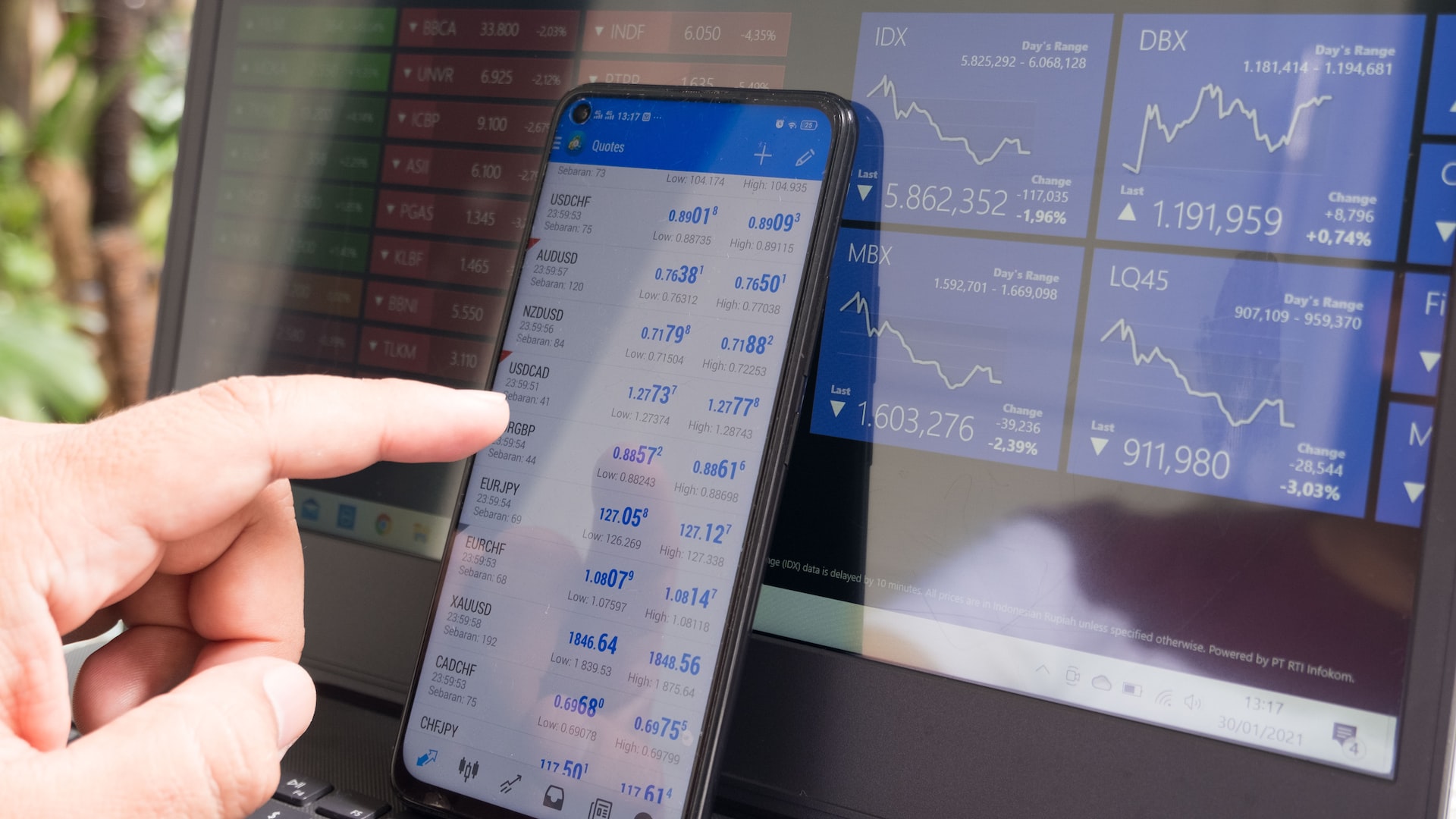
Forex trading is a complex and dynamic market influenced by various factors, including both politics and economics. Politics and economics are interconnected, and their interplay can have a significant impact on currency values and forex trading outcomes. In this blog post, we will explore the relationship between politics and economics in forex trading and discuss how these factors interact.
1. Macroeconomic Indicators and Political Events
1.1 Economic Data Releases
Economic indicators, such as GDP growth, inflation rates, and employment data, play a crucial role in forex trading. These indicators provide insights into the overall health and performance of a country’s economy. Traders closely monitor economic data releases as they can influence currency values. Political events, such as elections or policy changes, can impact economic indicators, adding an element of political risk to forex trading.
1.2 Central Bank Policies
Central banks play a significant role in shaping a country’s monetary policy. Their decisions on interest rates, quantitative easing, or other policy tools can impact currency values. Political factors can influence central bank policies, as governments may have varying priorities and agendas. Traders pay close attention to central bank announcements and the political climate surrounding these decisions to anticipate potential market movements.
2. Geopolitical Developments and Market Sentiment
2.1 Trade Policies and Agreements
Trade policies and agreements between countries can have a substantial impact on forex trading. Political decisions related to tariffs, trade negotiations, or disputes can create volatility in currency markets. Traders need to stay informed about geopolitical developments and assess their potential impact on market sentiment and currency values.
2.2 Political Stability and Risk Aversion
Political stability is an essential factor for forex traders. Countries with stable political environments tend to attract investments and foster economic growth, which can positively impact their currency values. On the other hand, political instability, conflicts, or uncertainties can lead to risk aversion and currency depreciation. Traders assess political risks and factor them into their trading strategies.
3. Investor Confidence and Market Reactions
3.1 Market Speculation and Sentiment
Politics can create market speculation and sentiment that influence forex trading. Political news or events can trigger reactions in the market, leading to increased volatility. Traders analyze market sentiment and adjust their strategies accordingly, taking into account the potential impact of political developments on currency values.
3.2 Safe-Haven Currencies and Risk-On/Risk-Off Sentiment
During times of heightened uncertainty or market volatility, investors often seek safe-haven currencies. Currencies such as the US dollar, Japanese yen, or Swiss franc tend to strengthen in such situations. Traders monitor risk-on/risk-off sentiment, which reflects investors’ appetite for risk, and adjust their positions accordingly. Political events can significantly influence risk sentiment and the demand for safe-haven currencies.
Conclusion
Politics and economics are intertwined in forex trading, and their interplay has a profound impact on currency values and market dynamics. Economic indicators, central bank policies, geopolitical developments, and investor sentiment are all influenced by political factors. Traders need to stay informed about political events, assess their potential economic implications, and consider the broader geopolitical context when making trading decisions. By understanding the interplay of politics and economics, traders can navigate the forex market more effectively and make informed trading choices.