How Does Continuous Learning Contribute to Success in Forex Trading?
Continuous learning is a key factor in achieving success in forex trading. The forex market is highly dynamic and influenced by various factors, such as economic indicators, geopolitical events, and market sentiment. By continuously updating your knowledge and skills through ongoing learning, you can adapt to market changes, improve your trading strategies, and enhance your overall performance. In this blog post, we will explore how continuous learning contributes to success in forex trading.
Section 1: Staying Updated with Market Developments
Subsection: Economic Indicators and Central Bank Policies
Continuous learning in forex trading helps you stay updated with economic indicators and central bank policies. Economic indicators, such as GDP growth, inflation rates, and employment data, provide insights into the health of economies and can impact currency values. Understanding central bank policies, interest rate decisions, and monetary policy statements helps you anticipate potential market movements and adjust your trading strategies accordingly.
Subsection: Geopolitical Events and News
Staying updated with geopolitical events and news is crucial for successful forex trading. Continuous learning enables you to stay informed about significant events such as elections, trade agreements, and geopolitical tensions that can influence currency values. By understanding the potential implications of these events, you can adapt your strategies and make well-informed trading decisions. Staying ahead of market movements through continuous learning can give you an edge in the forex market.
Section 2: Enhancing Trading Strategies
Subsection: Technical Analysis and Chart Patterns
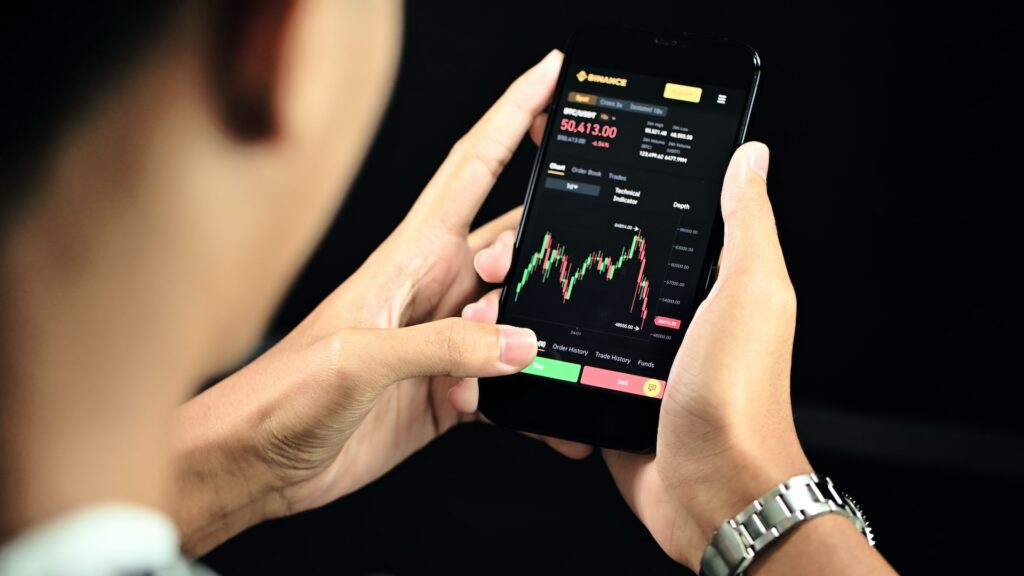
Continuous learning in forex trading allows you to enhance your trading strategies by focusing on technical analysis and chart patterns. Technical analysis involves studying historical price data, identifying patterns, and using various indicators to predict future price movements. By staying updated with new technical analysis tools and techniques, you can refine your strategies, identify high-probability trades, and improve your timing for entry and exit points.
Subsection: Fundamental Analysis and Market Sentiment
Continuous learning also focuses on fundamental analysis and understanding market sentiment. Fundamental analysis involves evaluating economic indicators, central bank policies, and market sentiment to assess the intrinsic value of currencies. By staying updated with the latest economic data, monetary policy decisions, and market sentiment indicators, you can make more informed trading decisions and adjust your strategies accordingly. Understanding the fundamental factors that drive the forex market is essential for long-term success.
Section 3: Risk Management and Emotional Control
Subsection: Money Management and Position Sizing
Continuous learning in forex trading improves your risk management skills. Learning about money management techniques, such as position sizing, stop-loss orders, and risk-reward ratios, helps you manage your capital effectively and protect against potential losses. By implementing proper risk management strategies, you can minimize the impact of losing trades and preserve your overall trading capital.
Subsection: Emotional Discipline and Psychology
Emotional discipline and psychology are critical aspects of forex trading. Continuous learning helps you develop emotional control, allowing you to make rational decisions based on analysis rather than being driven by fear or greed. By understanding common psychological pitfalls, such as overtrading or revenge trading, you can avoid impulsive actions that can negatively impact your performance. Strong emotional discipline contributes to more consistent and successful trading outcomes.
Section 4: Conclusion
Continuous learning is a vital component of achieving success in forex trading. By staying updated with market developments, enhancing your trading strategies, and improving risk management and emotional control, you can adapt to changing market conditions and improve your overall performance. The forex market is constantly evolving, and only traders who invest in continuous learning can stay competitive and thrive in this dynamic industry.