How Do Professional Traders Utilize Advanced Forex Strategies?
Professional forex traders utilize advanced strategies to gain an edge in the highly competitive forex market. These strategies go beyond the basics and involve complex analysis techniques, risk management approaches, and refined trading methodologies. In this blog post, we will explore some of the ways professional traders utilize advanced forex strategies to achieve consistent profitability. Let’s dive in!
Section 1: Technical Analysis
Subsection: Multiple Time Frame Analysis
Professional traders often employ multiple time frame analysis to gain a comprehensive view of the market. They analyze price action across different time frames, ranging from short-term to long-term, to identify trends, support and resistance levels, and potential trading opportunities. This approach helps them make more informed trading decisions and increases the probability of successful trades.
Subsection: Advanced Chart Patterns
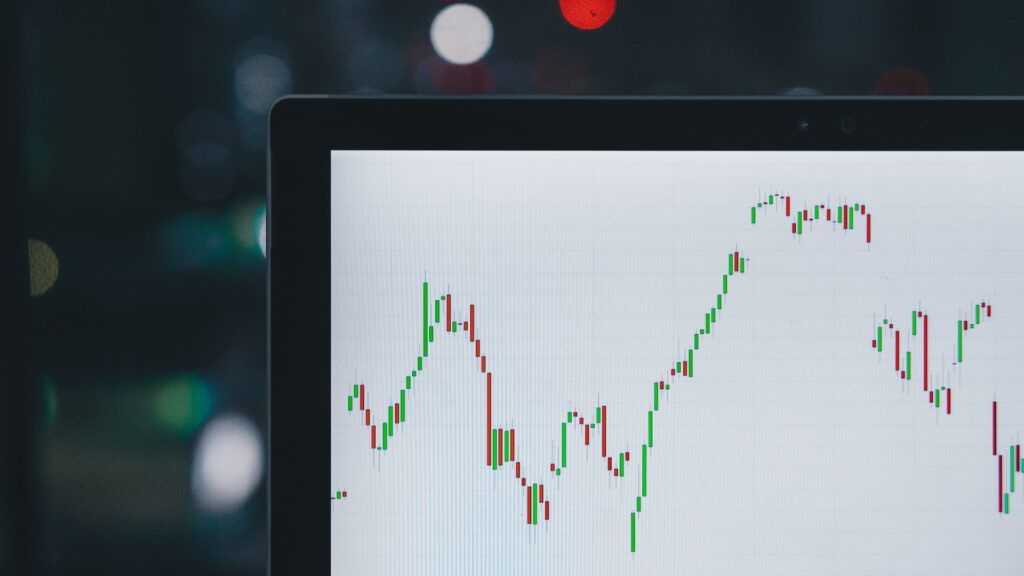
Professional traders are skilled at recognizing and interpreting advanced chart patterns. They use patterns like triangles, wedges, head and shoulders, and Fibonacci retracements to identify potential reversals, breakouts, or continuation patterns. By understanding these patterns and their implications, professional traders can enter and exit trades at optimal points, maximizing their profit potential.
Section 2: Fundamental Analysis
Subsection: Economic News and Data Analysis
Professional traders closely monitor economic news and data releases to gauge the overall health of economies and their respective currencies. They analyze indicators such as GDP growth, employment data, inflation rates, and central bank statements to anticipate market movements. By incorporating fundamental analysis into their trading strategies, professional traders can capitalize on market reactions to economic events.
Subsection: Intermarket Analysis
Intermarket analysis involves studying the relationships between different financial markets, such as forex, stocks, bonds, and commodities. Professional traders use this analysis to identify correlations and interdependencies between markets. For example, they may analyze the relationship between the US dollar and gold prices or the impact of crude oil prices on oil-exporting countries’ currencies. By understanding these connections, professional traders can make more informed trading decisions.
Section 3: Risk Management
Subsection: Position Sizing
Professional traders understand the importance of proper position sizing to manage risk effectively. They calculate the appropriate position size based on their risk tolerance, trading strategy, and the potential reward-to-risk ratio of each trade. By using position sizing techniques such as fixed fractional or percentage risk models, professional traders aim to preserve capital and avoid excessive losses.
Subsection: Stop Loss and Take Profit Levels
Professional traders set specific stop loss and take profit levels for each trade to manage risk and protect their profits. They use technical analysis, support and resistance levels, and volatility indicators to determine these levels. By placing stop loss orders at strategic points, professional traders limit their potential losses, while take profit orders allow them to secure profits when the market moves in their favor.
Section 4: Trading Psychology
Subsection: Emotion Control
Professional traders understand the importance of controlling emotions such as fear and greed when making trading decisions. They develop discipline and stick to their trading plans, avoiding impulsive trades based on emotional reactions. By maintaining a rational and disciplined approach, professional traders can make objective trading decisions and avoid costly mistakes.
Subsection: Continuous Learning and Adaptation
Professional traders are committed to continuous learning and adaptation. They stay updated with market trends, economic developments, and new trading strategies. They analyze their trading performance, identify areas for improvement, and adapt their strategies accordingly. By constantly evolving and learning from their experiences, professional traders stay ahead of the game and improve their chances of success.
Section 5: Conclusion
Professional traders utilize advanced forex strategies to gain an edge in the competitive forex market. By incorporating technical and fundamental analysis, practicing effective risk management, and maintaining a disciplined trading psychology, professional traders increase their chances of success. However, it’s important to note that mastering advanced strategies takes time, practice, and continuous learning. As an aspiring trader, consider incorporating these strategies into your trading approach and continuously refine your skills. Happy trading!