

Introduction
In the world of foreign exchange (forex) trading, a forex charting platform plays a vital role in analyzing market data, identifying trends, and making informed trading decisions. In this blog post, we will explore what a forex charting platform is and how it benefits traders in the dynamic forex market.
1. Definition of a Forex Charting Platform
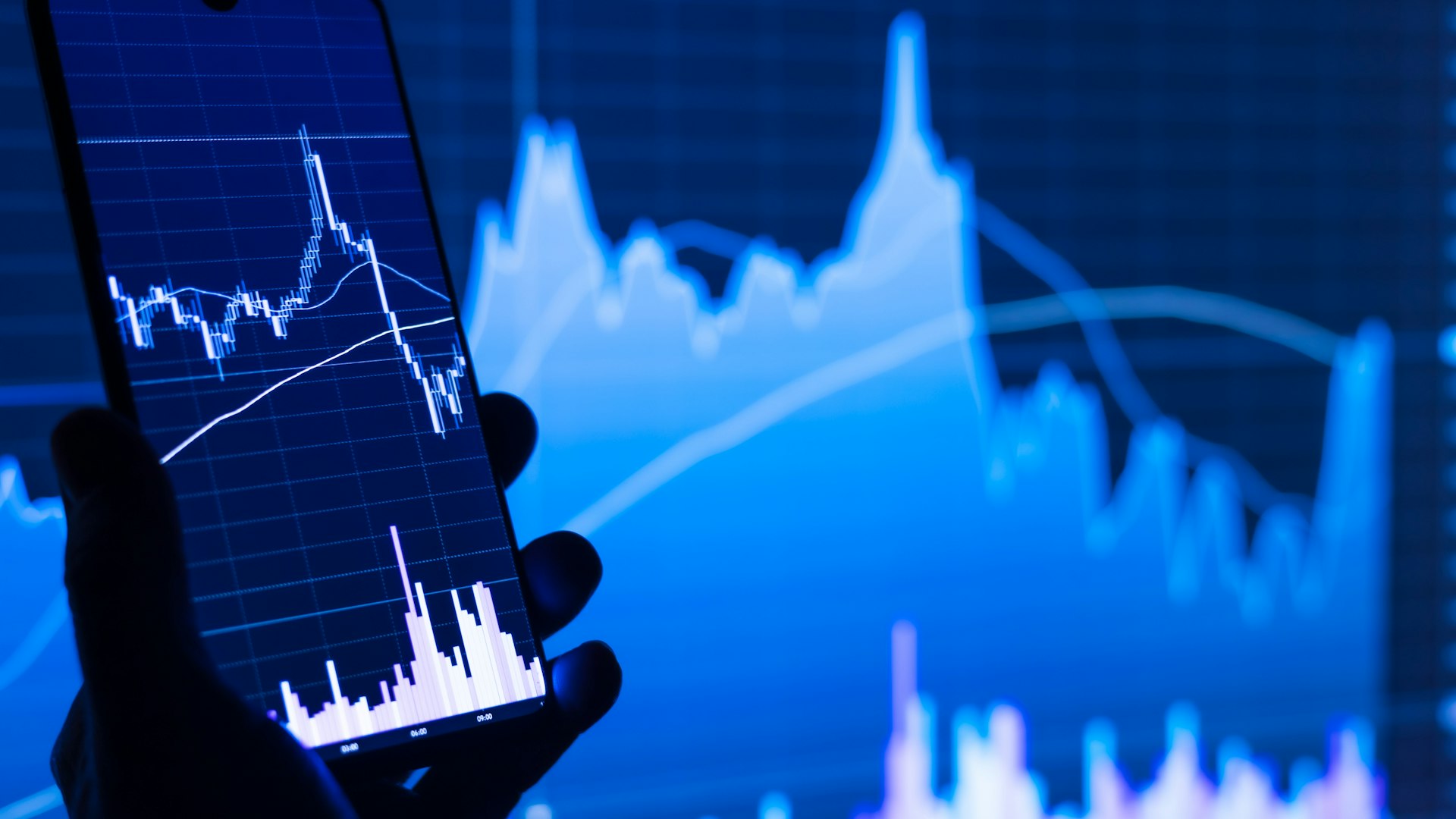
A forex charting platform is a software or web-based application that provides traders with tools and features to analyze historical and real-time market data. It enables traders to visualize price movements, identify patterns, and apply technical analysis techniques to make trading decisions. A charting platform typically includes various types of charts, indicators, drawing tools, and customization options to meet the diverse needs of traders.
2. Key Features and Functionality
2.1 Real-Time Data
A forex charting platform offers real-time data feeds, allowing traders to access up-to-the-minute information on currency pairs, prices, and market trends. Real-time data is crucial for making timely trading decisions and taking advantage of market opportunities as they arise.
2.2 Charting Tools and Indicators
Charting platforms provide a wide range of tools and indicators to analyze market data effectively. These tools include line charts, bar charts, candlestick charts, and more. Traders can also apply technical indicators like moving averages, Bollinger Bands, and MACD to identify patterns and trends.
2.3 Drawing Tools
Drawing tools allow traders to annotate charts, mark important levels, draw trendlines, and add text notes. These tools help traders visually identify support and resistance levels, chart patterns, and other significant price levels, aiding in decision-making.
2.4 Customization Options
A forex charting platform offers customization options, allowing traders to personalize their trading environment. Traders can customize chart layouts, color schemes, timeframes, and other display settings to suit their preferences and trading strategies.
3. Benefits of Using a Forex Charting Platform
3.1 Technical Analysis
Forex charting platforms enable traders to perform technical analysis by visually interpreting price action and applying technical indicators. This analysis helps traders identify trends, reversals, and potential entry and exit points, facilitating more informed trading decisions.
3.2 Historical Data Analysis
Charting platforms provide access to historical market data, allowing traders to analyze past price movements and patterns. By studying historical data, traders can identify recurring patterns, understand market behavior, and develop trading strategies based on historical insights.
3.3 Trade Execution
Many forex charting platforms offer integrated trade execution capabilities, allowing traders to place trades directly from the platform. This seamless integration eliminates the need to switch between different applications, streamlining the trading process.
3.4 Market Monitoring
Charting platforms provide real-time market monitoring, enabling traders to track price movements, monitor open positions, and receive alerts for important market events. This real-time monitoring helps traders stay updated and react quickly to changing market conditions.
Conclusion
A forex charting platform is an essential tool for traders in the forex market. It provides real-time data, charting tools, indicators, and customization options, enabling traders to analyze market data, identify trends, and make informed trading decisions. By leveraging the features and functionality of a charting platform, traders can improve their technical analysis skills, analyze historical data, execute trades, and monitor the market effectively. A reliable and user-friendly forex charting platform is a valuable asset for traders seeking success in the dynamic world of forex trading.