Introduction
Forex trading, short for foreign exchange trading, is a popular investment opportunity that allows individuals to trade currencies in the global marketplace. With its decentralized nature and high liquidity, forex trading attracts both seasoned traders and beginners looking to capitalize on currency fluctuations and make profits.
While there are various strategies and tools available to forex traders, one crucial aspect that should not be overlooked is personal market analysis. Personal market analysis involves assessing the market conditions, studying trends, and making informed trading decisions based on individual analysis.
The Benefits of Personal Market Analysis
1. Understanding Market Trends: Conducting personal market analysis enables traders to understand and interpret market trends instead of relying solely on external sources or indicators. By studying historical data, analyzing charts, and observing patterns, traders can identify potential opportunities and risks specific to their trading style and preferences.
2. Customized Trading Strategies: Personal market analysis allows traders to develop customized trading strategies tailored to their risk tolerance, investment goals, and trading timeline. By analyzing the market personally, traders can identify their strengths and weaknesses and align their strategies accordingly, increasing the probability of success.
3. Emotional Control: Forex trading can trigger emotions such as fear and greed, which can cloud judgment and lead to impulsive decisions. Personal market analysis promotes emotional control by providing a systematic approach to trading. Traders who understand the market and have confidence in their analysis are more likely to stick to their trading plans and avoid impulsive actions.
Key Factors to Consider in Personal Market Analysis
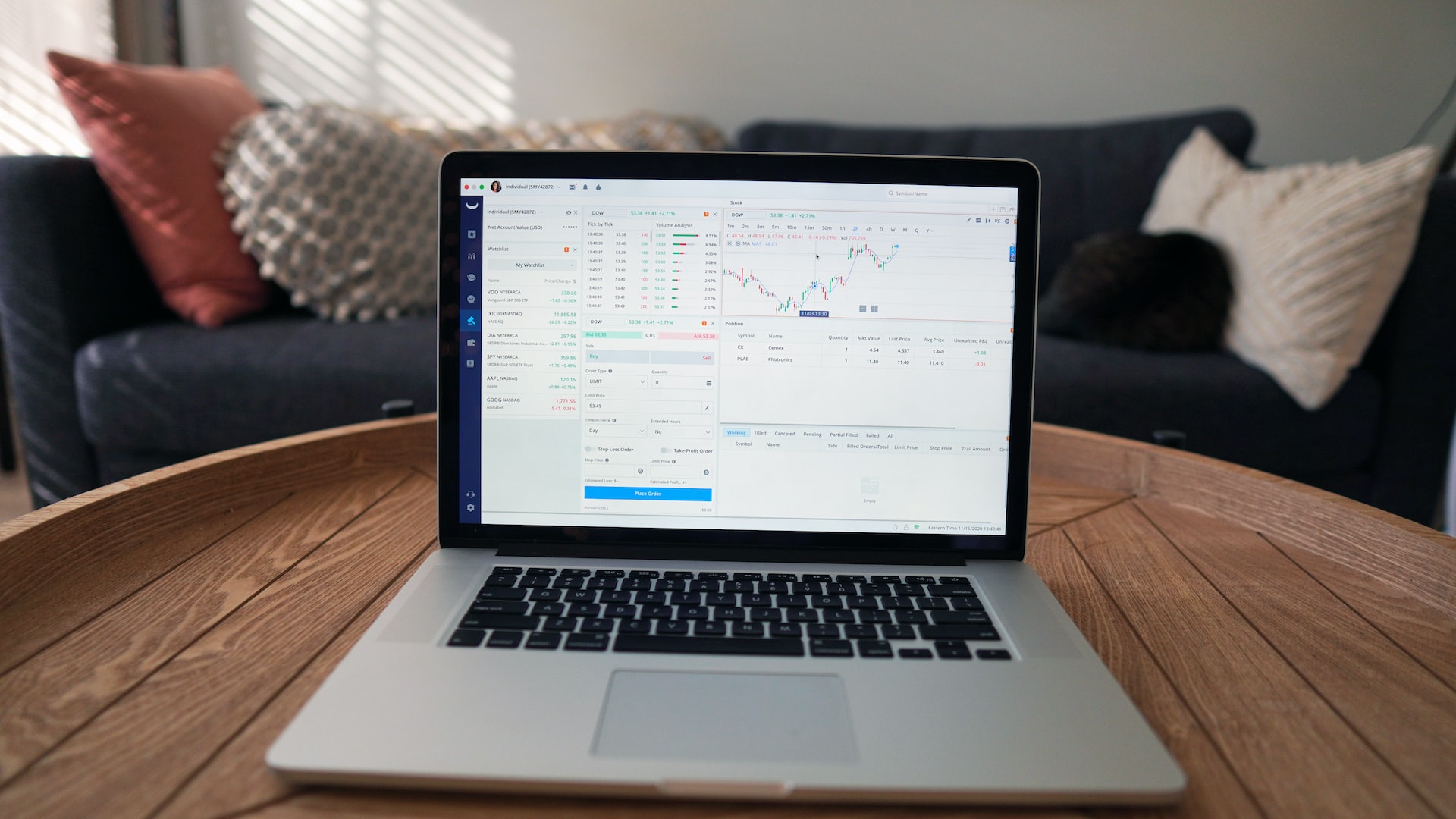
1. Technical Analysis: Technical analysis involves studying price charts, indicators, and patterns to forecast future price movements. Traders can use various technical analysis tools like trend lines, support and resistance levels, moving averages, and oscillators to identify potential entry and exit points.
2. Fundamental Analysis: Fundamental analysis focuses on studying economic indicators, news events, and geopolitical factors that affect currency values. By analyzing economic data, interest rates, political stability, and other relevant factors, traders can form a better understanding of the underlying forces driving currency movements.
3. Risk Management: Personal market analysis should always include robust risk management strategies. Traders need to identify their acceptable risk levels, set stop-loss orders, and implement proper position sizing to protect their capital and minimize potential losses. Effective risk management is vital for long-term success in forex trading.
Conclusion
Personal market analysis plays a crucial role in forex trading, empowering traders with valuable insights and helping them make informed decisions. By conducting thorough analysis of market trends, developing customized strategies, and maintaining emotional control, traders can increase their chances of success in the forex market. Remember to combine technical and fundamental analysis, implement proper risk management techniques, and continuously refine your analysis skills to stay ahead in this dynamic and exciting market.
Happy trading! ¿¿