

Introduction
Analyzing live forex charts is essential for traders to make informed decisions in the dynamic currency market. To effectively analyze live charts, traders can utilize a range of tools specifically designed for this purpose. In this blog post, we will explore some of the key tools that traders can use to analyze live forex charts and gain valuable insights.
1. Candlestick Charts
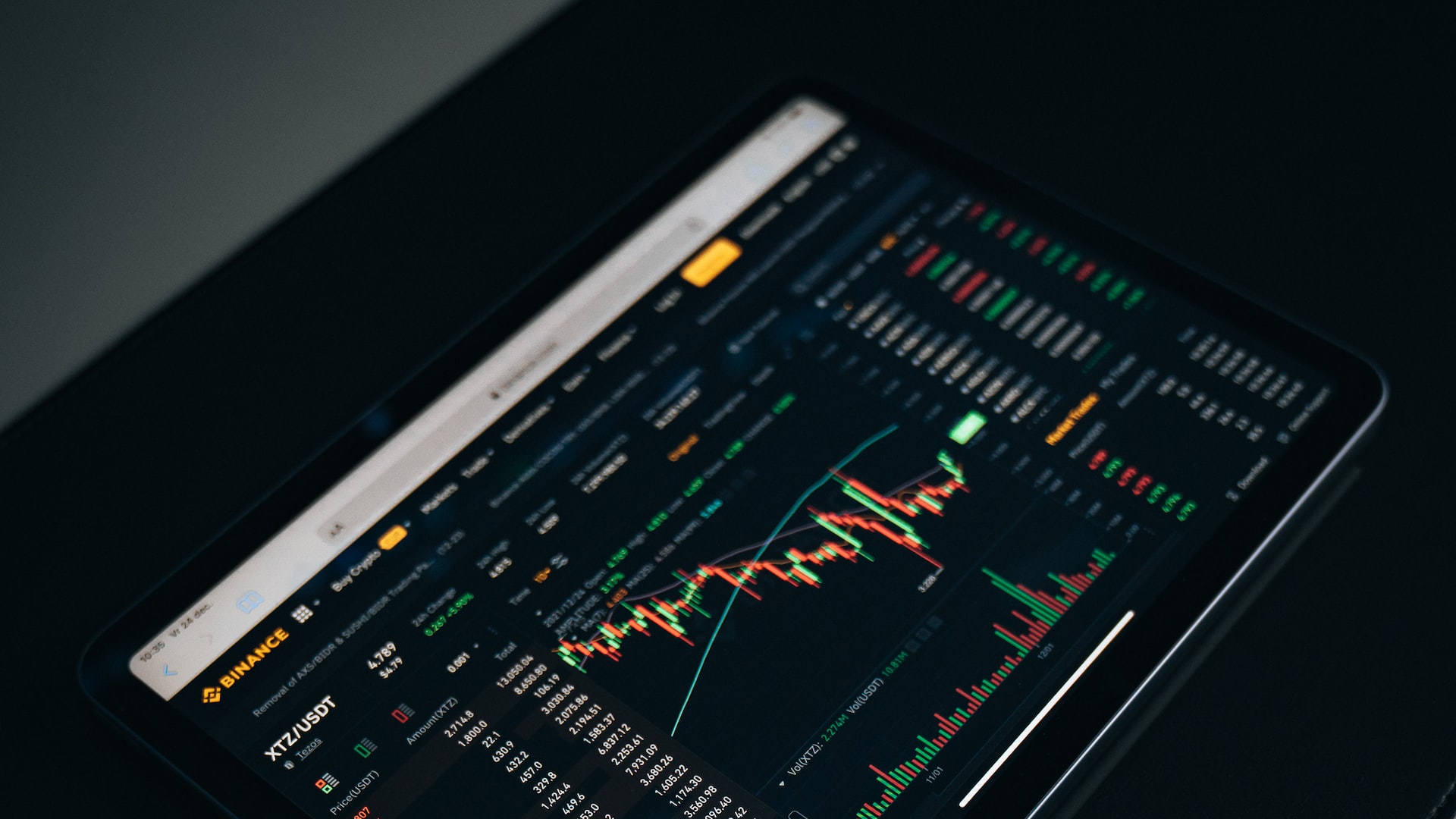
Candlestick charts are one of the most popular tools for analyzing live forex charts. These charts display price movements in the form of candlestick patterns, providing valuable information about market sentiment and potential trend reversals. Traders can interpret various candlestick patterns, such as doji, hammer, and engulfing, to identify entry and exit points, as well as to gauge market strength and weakness.
2. Technical Indicators
Technical indicators are mathematical calculations that traders can apply to live forex charts to analyze price data and identify potential trading opportunities. Examples of commonly used technical indicators include moving averages, Relative Strength Index (RSI), Moving Average Convergence Divergence (MACD), and Bollinger Bands. These indicators help traders identify trends, momentum, overbought or oversold conditions, and potential price reversals.
3. Trend Lines
Trend lines are graphical tools that traders can draw on live charts to identify and validate trends. By connecting a series of higher lows or lower highs, traders can draw upward or downward trend lines, respectively. Trend lines help traders visualize the direction of the market and potential support or resistance levels. They can be used to determine entry and exit points, as well as to confirm the validity of chart patterns.
4. Fibonacci Retracement
Fibonacci retracement is a technical tool that traders use to identify potential support and resistance levels in live forex charts. By applying Fibonacci ratios to significant price swings, traders can determine levels where price is likely to reverse or consolidate. Fibonacci retracement levels, such as 38.2%, 50%, and 61.8%, are commonly used by traders to plan their trades and set profit targets.
5. Volume Analysis
Volume analysis involves studying the trading volume associated with price movements in live forex charts. Traders can use volume indicators to gauge the level of market participation and the strength of price movements. High volume during price breakouts or reversals can indicate the presence of strong market interest and validate the reliability of chart patterns or trend lines.
Conclusion
Analyzing live forex charts requires the use of various tools to gain valuable insights into the market. Candlestick charts, technical indicators, trend lines, Fibonacci retracement, and volume analysis are just a few examples of the tools traders can utilize. By combining these tools and leveraging their unique features, traders can make informed decisions, spot trading opportunities, and navigate the forex market with confidence. Remember to choose a reliable trading platform that offers comprehensive charting tools to effectively analyze live forex charts.