

Introduction
Live forex trading refers to the practice of executing trades in the foreign exchange market in real-time. It involves buying and selling currency pairs with the aim of profiting from fluctuations in exchange rates. In this blog post, we will explore the concept of live forex trading, how it works, and the key considerations for traders.
1. Understanding the Forex Market
The forex market is the largest financial market globally, with trillions of dollars traded daily. It operates as a decentralized market, where participants can trade currencies 24 hours a day, five days a week. Live forex trading takes advantage of this continuous market activity to execute trades at any time, providing ample opportunities for traders to profit.
2. Trading Currency Pairs
In live forex trading, traders focus on trading currency pairs. Each currency pair represents the exchange rate between two currencies. For example, the EUR/USD pair represents the value of the euro relative to the US dollar. Traders can take positions on whether they believe a currency pair will appreciate (go up) or depreciate (go down) in value. By correctly predicting price movements, traders can generate profits.
3. Live Trading Platforms
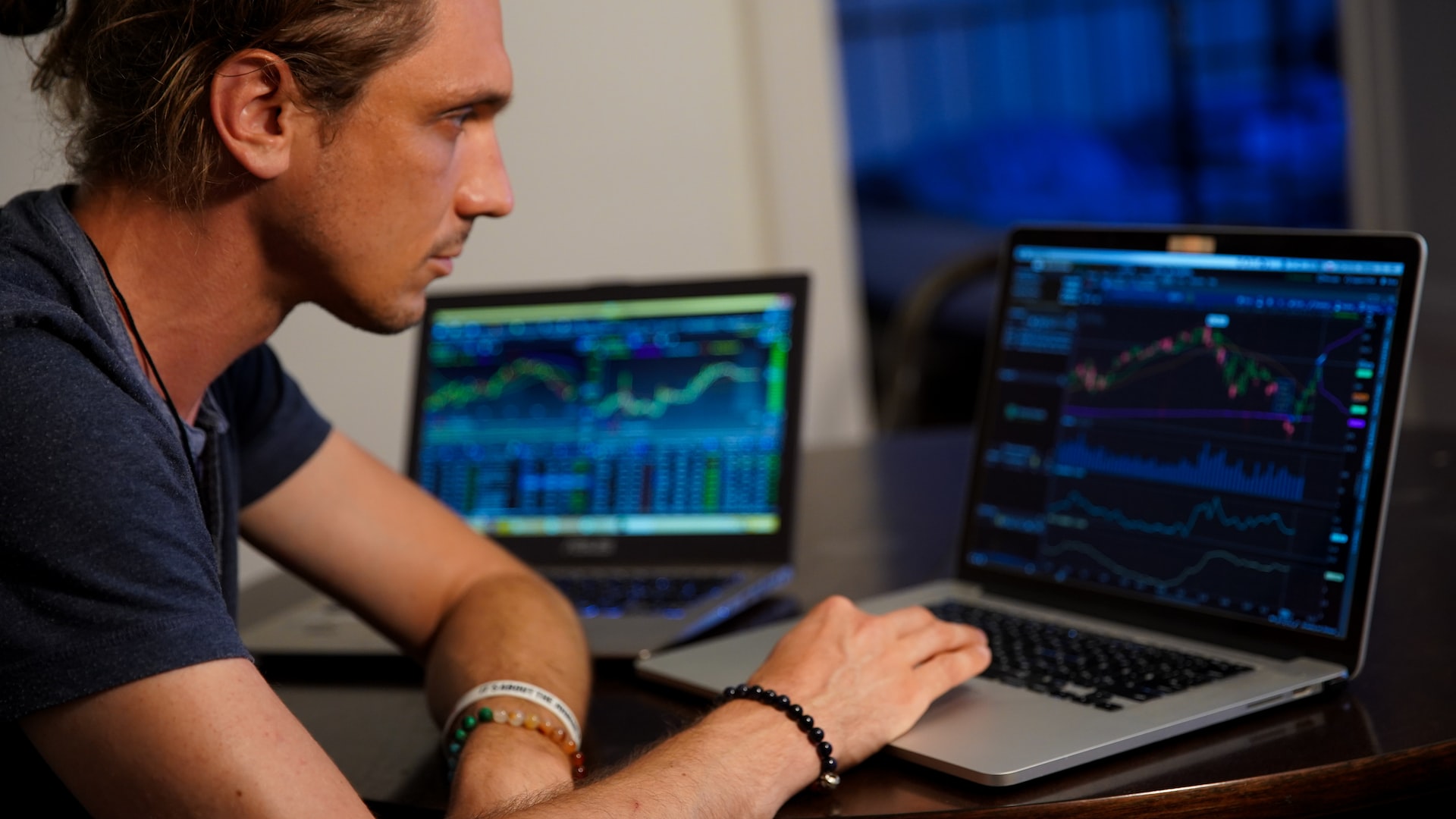
To engage in live forex trading, traders need access to a live trading platform. These platforms are provided by brokers and allow traders to view real-time price quotes, execute trades, and access various tools and indicators for analysis. Popular trading platforms include MetaTrader 4 (MT4) and MetaTrader 5 (MT5). Traders can choose a platform that suits their trading style and preferences.
4. Technical and Fundamental Analysis
Successful live forex trading often involves a combination of technical and fundamental analysis. Technical analysis involves studying historical price data and using various indicators and chart patterns to make trading decisions. Fundamental analysis, on the other hand, focuses on economic and geopolitical factors that can impact currency prices. By analyzing both factors, traders can make more informed trading decisions.
5. Risk Management
Risk management is a crucial aspect of live forex trading. Traders should establish a clear risk management plan to protect their capital from significant losses. This includes setting stop-loss and take-profit levels, determining appropriate position sizes, and not risking more than a certain percentage of their trading account on any single trade. Implementing proper risk management techniques is essential for long-term success.
Conclusion
Live forex trading provides traders with the opportunity to participate in the dynamic and potentially lucrative foreign exchange market. By understanding how the forex market operates, trading currency pairs, using live trading platforms, conducting analysis, and implementing risk management strategies, traders can navigate the market effectively. It is important to note that live forex trading involves risks, and traders should educate themselves, practice on demo accounts, and continuously refine their trading strategies to improve their chances of success.