The Role of Technology in Successful Forex Trading
Technology has revolutionized the world of forex trading, enabling traders to access real-time information, execute trades swiftly, and analyze market data more efficiently. In this blog post, we will explore the important role that technology plays in successful forex trading and how it has transformed the way traders operate.
1. Access to Real-Time Market Data
One of the key benefits of technology in forex trading is the instant access to real-time market data. Traders can monitor currency pairs, track price movements, and analyze market trends in real-time using trading platforms and charting software. This timely information allows traders to make informed decisions and react quickly to market changes, enhancing their trading strategies.
2. Automated Trading Systems
Technology has given rise to automated trading systems, also known as algorithmic trading or “forex robots.” These systems use pre-programmed rules and algorithms to automatically execute trades based on predefined criteria. Automated trading can help eliminate human emotions and biases from trading decisions, providing a disciplined and systematic approach. Traders can benefit from increased speed, accuracy, and the ability to execute trades 24/7 without constant monitoring.
3. Advanced Trading Platforms
Modern trading platforms offer a wide range of features and tools that enhance trading efficiency and convenience. These platforms provide access to real-time market data, customizable charts, technical indicators, and order management systems. Traders can execute trades with a few clicks, set stop-loss and take-profit orders, and monitor their positions in real-time. Advanced trading platforms empower traders with the tools they need to implement their trading strategies effectively.
4. Mobile Trading Apps
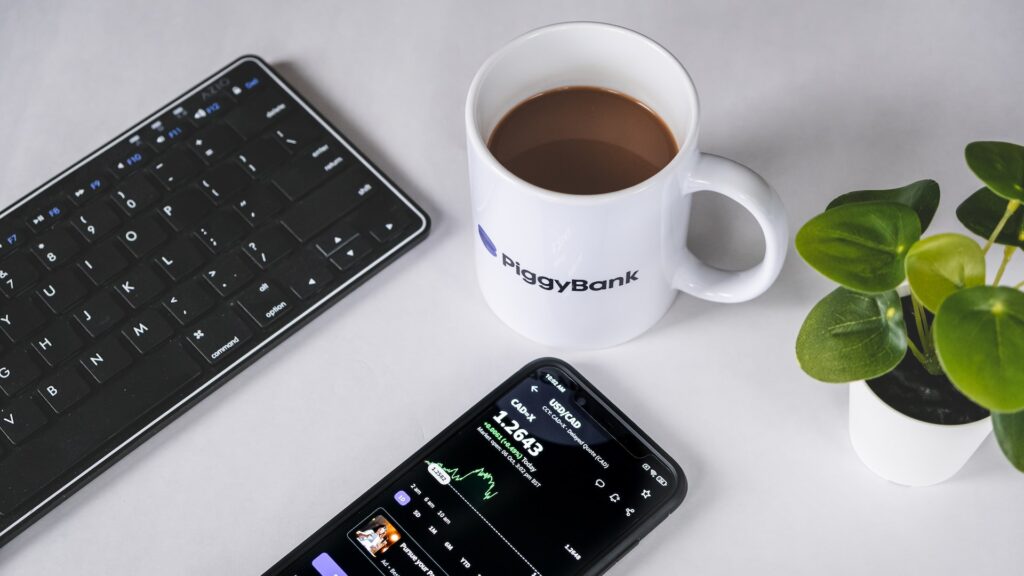
Technology has made forex trading more accessible than ever through mobile trading apps. Traders can download trading apps on their smartphones or tablets and trade on the go. Mobile trading apps offer similar features to desktop platforms, allowing traders to monitor live prices, place trades, and manage their accounts from anywhere with an internet connection. This flexibility and convenience enable traders to stay connected to the market at all times.
5. Risk Management Tools
Technology has also introduced sophisticated risk management tools to help forex traders mitigate risks. Traders can set stop-loss orders to automatically close positions at predetermined levels to limit potential losses. Additionally, many trading platforms offer margin calculators and position-sizing tools to help traders manage their leverage and overall risk exposure effectively. These tools enable traders to implement sound risk management practices and protect their capital.
6. Data Analysis and Backtesting
Technology has greatly enhanced the ability to analyze historical data and backtest trading strategies. Traders can use advanced charting software and data analysis tools to identify trading patterns, test different strategies, and assess their performance over time. Backtesting allows traders to simulate trading strategies using historical data to evaluate their profitability and refine their approach before risking real money.
Conclusion
Technology plays a crucial role in successful forex trading. It provides traders with access to real-time market data, automated trading systems, advanced trading platforms, mobile trading apps, risk management tools, and data analysis capabilities. Embracing technology can significantly enhance trading efficiency, decision-making, and overall profitability. However, it’s important for traders to stay updated with the latest technological advancements, choose reliable and secure platforms, and continuously adapt their strategies to leverage the benefits of technology in forex trading.