What Are the Risks Associated with Forex and Stock Trading?
Forex and stock trading are popular investment options that offer potential for profit. However, it is important for traders to understand the risks involved in these markets. In this article, we will explore the risks associated with forex and stock trading to help traders make informed decisions and manage their investments effectively.
1. Market Volatility and Price Fluctuations
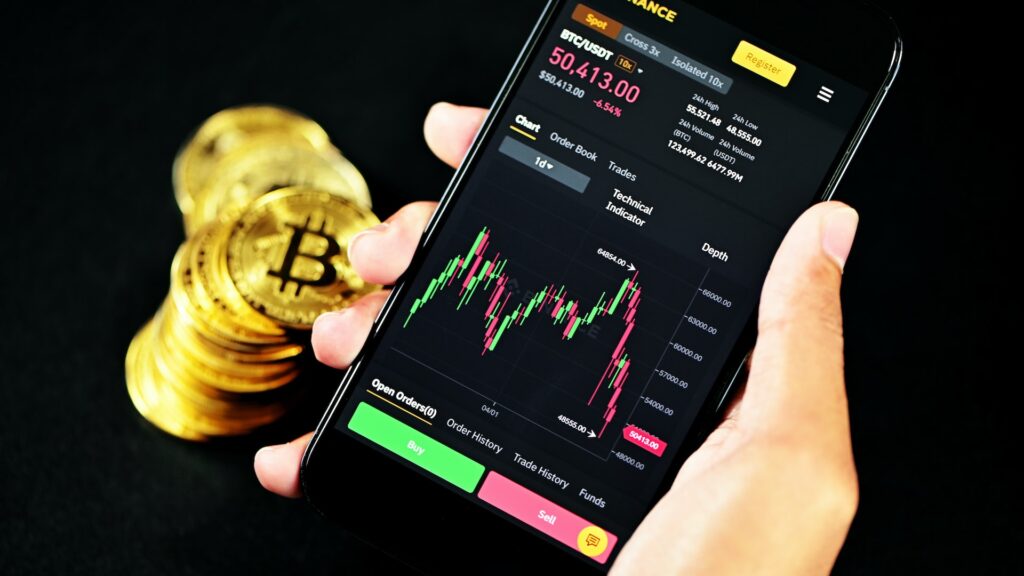
Both forex and stock markets are subject to market volatility, which can lead to significant price fluctuations. Volatility is influenced by various factors such as economic news releases, geopolitical events, and market sentiment. Rapid price movements can result in gains or losses for traders. It is essential for traders to be aware of market conditions and use risk management strategies, such as setting stop-loss orders, to mitigate the impact of market volatility.
2. Leverage and Margin Trading
One of the key risks associated with forex and stock trading is the use of leverage and margin trading. Leverage allows traders to control larger positions with a smaller amount of capital. While leverage can amplify profits, it also magnifies losses. Traders should exercise caution when using leverage and understand the potential risks involved. Margin trading, which involves borrowing funds to trade, adds an additional layer of risk. Traders should carefully manage their margin requirements and monitor their positions to avoid margin calls.
3. Economic and Political Factors
Economic and political factors can significantly impact both forex and stock markets. Economic indicators, such as GDP, inflation rates, and interest rates, can influence market sentiment and the value of currencies and stocks. Political events, such as elections or government policies, can also introduce uncertainty and volatility. Traders should stay informed about economic and political developments and consider their potential impact on the markets when making trading decisions.
4. Lack of Control and Information Asymmetry
Traders in both forex and stock markets face a lack of control over market conditions and information asymmetry. Market movements can be influenced by factors beyond a trader’s control, such as large institutional trades or unexpected news events. Additionally, institutional investors and market insiders may have access to information that is not readily available to individual traders, leading to information asymmetry. Traders should conduct thorough research, use reliable sources, and develop their trading strategies to minimize the impact of these risks.
5. Psychological and Emotional Factors
Psychological and emotional factors can significantly impact trading decisions and introduce risks. Traders may experience fear, greed, or impatience, which can lead to irrational trading behavior and poor decision-making. It is important for traders to manage their emotions, maintain discipline, and adhere to their trading plans. Implementing risk management techniques, such as setting realistic profit targets and stop-loss orders, can help traders overcome psychological biases and mitigate the impact of emotional trading.
Conclusion
Forex and stock trading offer potential opportunities for profit, but they also come with inherent risks. Traders should be aware of the risks associated with market volatility, leverage and margin trading, economic and political factors, lack of control and information asymmetry, as well as psychological and emotional factors. By understanding these risks and implementing effective risk management strategies, traders can navigate the markets with greater confidence and increase their chances of success. It is important to remember that trading involves inherent risks, and traders should never risk more capital than they can afford to lose.