How Does Risk Management Contribute to Profitable Forex Trading?
Forex trading can be highly profitable, but it is not without risks. Successful traders understand the importance of risk management and how it can contribute to their overall profitability. In this article, we will explore how risk management strategies can help you navigate the forex market and increase your chances of success.
1. Understanding Risk in Forex Trading
Forex trading involves the buying and selling of currencies with the aim of making a profit from the fluctuations in exchange rates. However, these fluctuations can be unpredictable, and there is always a risk of losing money. It is crucial to have a clear understanding of the risks involved in forex trading before you start.
2. Setting Risk Tolerance and Goals
Assessing Risk Tolerance
Every trader has a different level of risk tolerance. Some traders are comfortable taking higher risks for potentially higher returns, while others prefer a more conservative approach. Assessing your risk tolerance is essential in determining the appropriate risk management strategy for your forex trading activities.
Setting Profit and Loss Targets
Setting clear profit and loss targets is an integral part of risk management. Determine the amount of profit you aim to achieve from each trade, as well as the maximum acceptable loss. Setting these targets helps you maintain discipline and avoid emotional decision-making.
3. Position Sizing and Stop-Loss Orders
Position Sizing
Position sizing refers to determining the appropriate size of each trade based on your account size and risk tolerance. It is essential to trade with a position size that allows you to manage your risk effectively. A common rule of thumb is to risk no more than 1-2% of your trading capital on any single trade.
Stop-Loss Orders
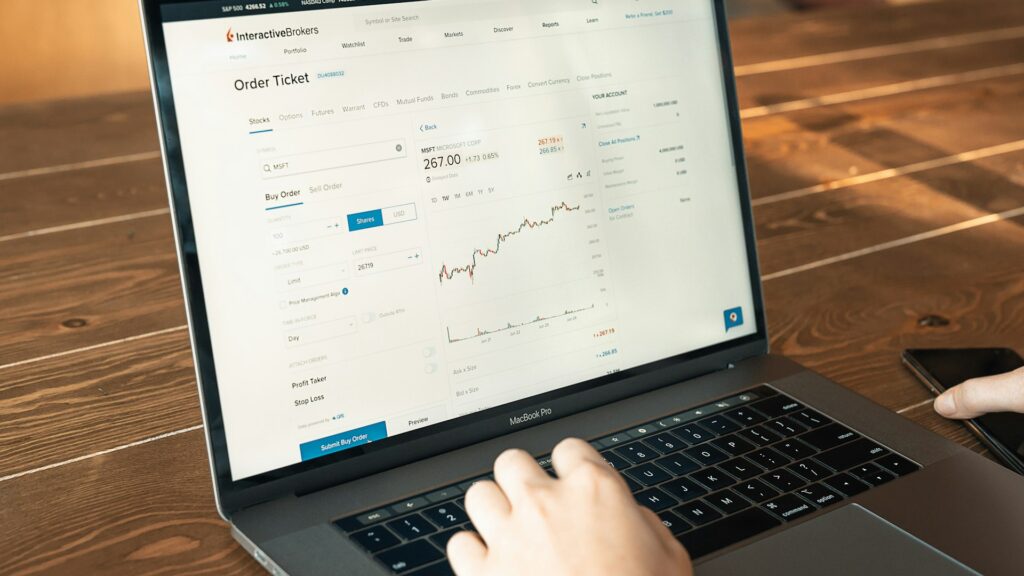
A stop-loss order is an instruction to close a trade at a predetermined price level to limit potential losses. Placing stop-loss orders is a crucial part of risk management in forex trading. It helps protect your trading capital by automatically exiting a trade if the market moves against you.
4. Diversification and Risk Spreading
Diversify Currency Pairs
Diversifying your trading portfolio by trading different currency pairs can help spread the risk. By not relying on a single currency pair, you reduce the impact of a potential loss on your overall trading performance. It is essential to choose currency pairs that are not highly correlated to further diversify your risk.
Spread Risk Across Assets
In addition to diversifying currency pairs, consider spreading your risk across different asset classes. This can include trading forex alongside other financial instruments such as stocks, commodities, or indices. By diversifying your investments, you minimize the impact of any single trade or asset on your overall portfolio.
5. Continuous Learning and Adaptation
Stay Informed about Market Conditions
Staying informed about market conditions is crucial for effective risk management. Keep up-to-date with economic news, central bank announcements, and geopolitical events that can impact currency markets. By understanding the factors that drive market movements, you can make informed decisions and adjust your risk management strategy accordingly.
Review and Adapt Your Risk Management Strategy
Risk management is not a one-time activity but an ongoing process. Regularly review and evaluate your risk management strategy to ensure its effectiveness. As you gain experience and learn from your trades, make necessary adjustments to your position sizing, stop-loss levels, and overall risk tolerance.
Conclusion
Risk management plays a vital role in profitable forex trading. Understanding the risks involved, setting clear goals, and implementing effective risk management strategies can help you navigate the forex market with confidence. By practicing proper position sizing, using stop-loss orders, diversifying your trades, and staying informed, you can minimize potential losses and increase your chances of long-term profitability in forex trading.