What Is the Role of Technology in Forex Trading?
Technology has revolutionized the way forex trading is conducted, empowering traders with advanced tools and capabilities to participate in the foreign exchange market. From the inception of online trading platforms to the rise of algorithmic trading, technology has played a pivotal role in enhancing efficiency, accessibility, and profitability in forex trading. In this blog post, we will explore the various roles technology plays in forex trading and how it has transformed the industry.
1. Online Trading Platforms
Online trading platforms have been a game-changer in forex trading. These platforms provide traders with access to the global forex market, allowing them to buy and sell currencies from the comfort of their own homes. Online platforms offer real-time market data, advanced charting tools, and a range of technical indicators to help traders analyze the market and make informed trading decisions. By eliminating the need for physical trading floors or phone calls, online trading platforms have made forex trading more accessible to retail traders.
1.1 Mobile Trading Apps
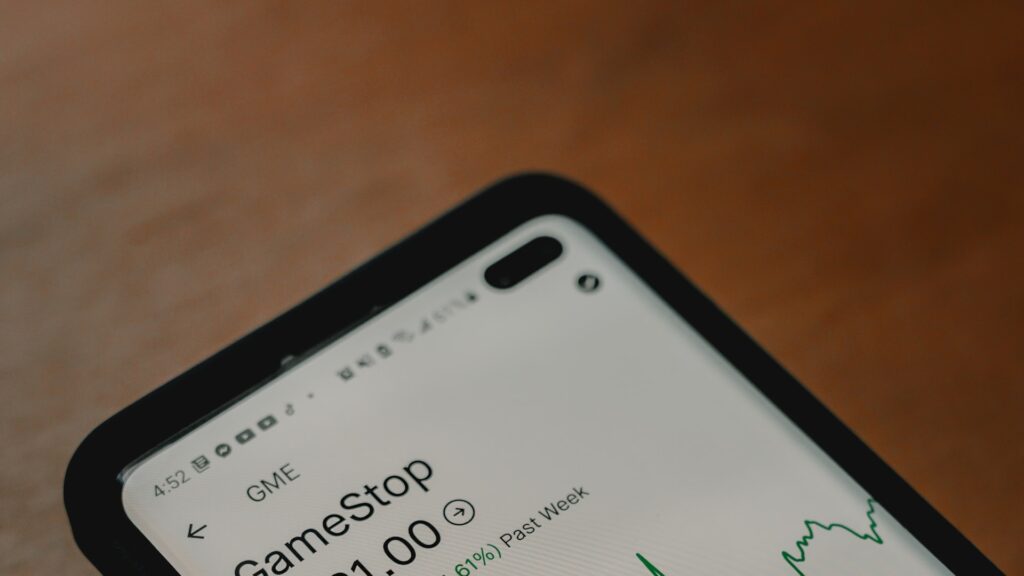
Mobile trading apps have further expanded the accessibility of forex trading. Traders can now trade on the go using their smartphones or tablets, enabling them to monitor the market and execute trades from anywhere at any time. Mobile trading apps provide the same functionality as desktop platforms, allowing traders to access real-time market data, place trades, and manage their portfolios seamlessly. The convenience and flexibility offered by mobile trading apps have made forex trading more convenient and accessible than ever before.
2. Advanced Charting and Analysis Tools
Technology has introduced advanced charting and analysis tools that have revolutionized the way traders analyze the forex market. Traders can now access a wide range of technical indicators, customizable charting tools, and historical price data to identify trends, patterns, and key support and resistance levels. This enables traders to make more accurate predictions about future price movements and make informed trading decisions. Advanced charting and analysis tools have become an essential part of a trader’s toolkit.
3. Algorithmic Trading
Algorithmic trading, also known as automated trading, has transformed the forex trading landscape. With algorithmic trading, traders can develop or utilize pre-programmed algorithms to automatically execute trades based on specific market conditions, technical signals, or news events. Algorithmic trading eliminates the impact of human emotions and biases, ensuring faster and more efficient trade execution. It enables traders to take advantage of trading opportunities 24/7, even in volatile market conditions. Algorithmic trading has gained popularity among institutional and retail traders alike.
4. High-Frequency Trading
High-frequency trading (HFT) is a technology-driven trading strategy that relies on powerful computers and algorithms to execute a large number of trades in milliseconds. HFT has become prevalent in the forex market, allowing traders to capitalize on small price discrepancies and market inefficiencies. HFT has significantly increased the liquidity and efficiency of the forex market, benefiting traders by reducing bid-ask spreads and improving order execution. However, it is important to note that HFT is typically employed by institutional traders and requires specialized infrastructure and expertise.
5. Risk Management Tools
Technology has also introduced advanced risk management tools to help traders mitigate potential losses. Stop-loss orders, for example, allow traders to automatically exit a trade if the price reaches a predetermined level, limiting the amount of loss incurred. Trailing stop orders can be used to lock in profits as the price moves in favor of the trader. Additionally, risk management calculators and position sizing tools help traders determine the appropriate position size and manage their overall risk exposure. These tools enhance the overall risk management capabilities of traders.
Conclusion
Technology plays a vital role in forex trading, transforming the industry and empowering traders with advanced tools and capabilities. Online trading platforms, mobile trading apps, advanced charting and analysis tools, algorithmic trading, high-frequency trading, and risk management tools are just some of the ways technology has revolutionized forex trading. As technology continues to evolve, it is expected that forex trading will become even more efficient, accessible, and profitable, offering traders new opportunities for success in the dynamic foreign exchange market.