

Introduction
Digital technology has revolutionized the forex market, transforming the way traders participate in currency trading. In this blog post, we will explore the significant impact of digital technology on the forex market and how it has reshaped the industry.
1. Increased Accessibility and Global Reach
24/7 Market Access
Digital technology has made the forex market accessible to traders around the clock. Unlike traditional financial markets, the forex market operates 24 hours a day, five days a week. Traders can now participate in trading activities at any time, empowering them to take advantage of global market opportunities and react quickly to market-moving events.
Global Connectivity
The internet and digital platforms have connected traders from all over the world, breaking down geographical barriers. Traders can now interact, share information, and execute trades instantly with counterparts from different regions. This global connectivity has increased liquidity and market efficiency, benefiting traders and the forex market as a whole.
2. Real-Time Market Data and Analysis
Streaming Forex Quotes
Digital technology has enabled traders to access real-time streaming forex quotes. Traders can now view live prices, bid-ask spreads, and market depth, allowing them to make informed trading decisions based on the most up-to-date information. This real-time data has significantly improved the accuracy and timeliness of trade execution.
Advanced Charting and Technical Analysis Tools
Digital platforms provide traders with advanced charting and technical analysis tools. These tools allow traders to analyze price patterns, apply various technical indicators, and identify potential trading opportunities with greater precision. Traders can make data-driven decisions based on historical price data, enhancing their trading strategies and outcomes.
3. Automation and Algorithmic Trading
Algorithmic Trading
One of the most significant impacts of digital technology on the forex market is the rise of algorithmic trading. Traders can use computer algorithms to automatically execute trades based on predefined rules and parameters. Algorithmic trading eliminates human emotions and biases from the trading process, leading to more disciplined and consistent trading strategies.
High-Frequency Trading
Digital technology has facilitated the growth of high-frequency trading (HFT) in the forex market. HFT uses powerful computers and algorithms to execute a large number of trades at extremely high speeds. HFT firms capitalize on small price discrepancies and market inefficiencies, profiting from rapid trade execution and minimal latency.
4. Enhanced Risk Management
Automated Risk Management Systems
Digital technology has introduced automated risk management systems in the forex market. Traders can set stop-loss orders, take-profit levels, and other risk management parameters to protect their positions automatically. These systems help traders manage their risk exposure more effectively and minimize potential losses.
Real-Time Trade Monitoring
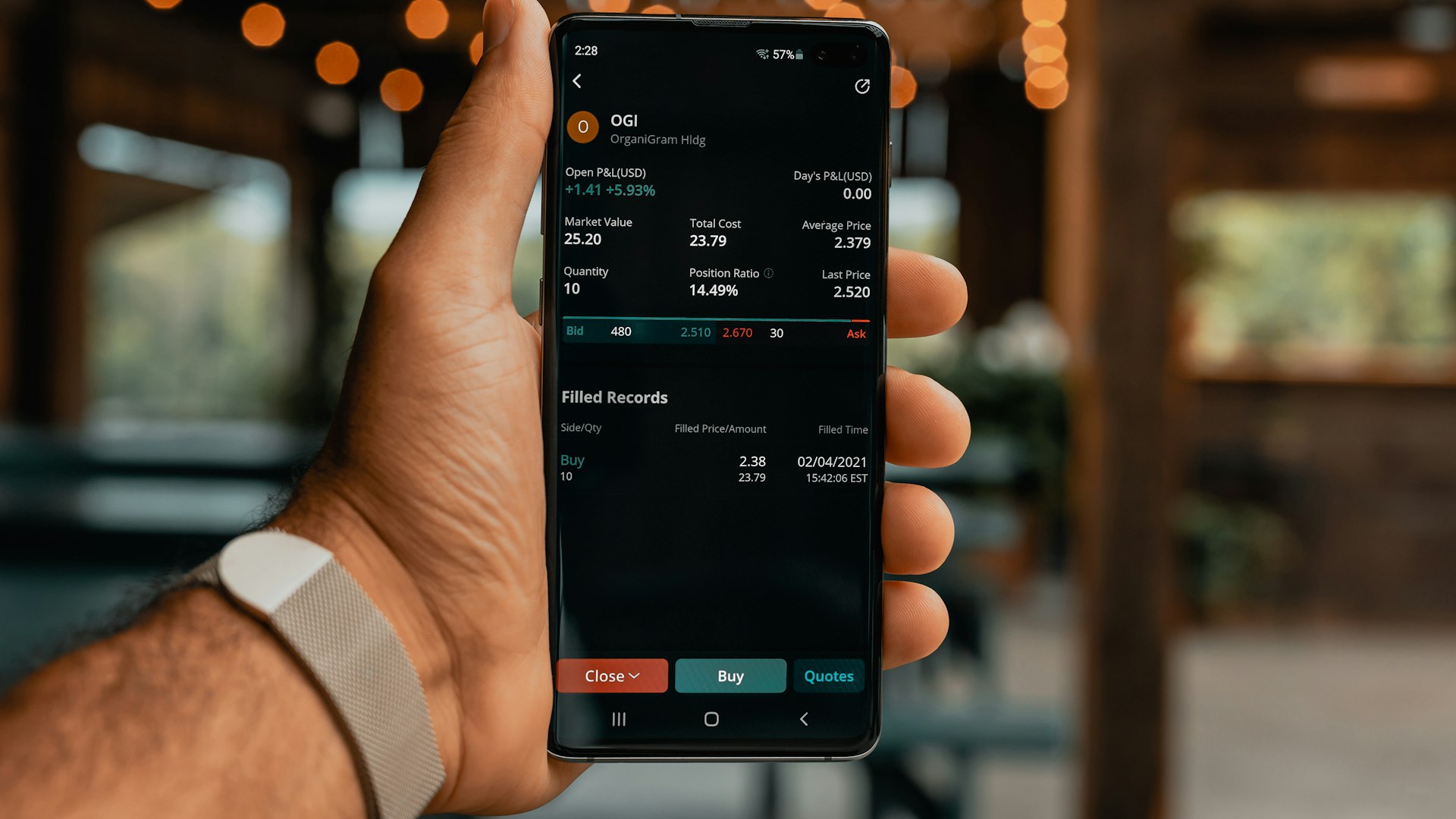
Digital platforms provide real-time trade monitoring tools that allow traders to track their positions, account balances, and overall portfolio performance. Traders can set alerts and notifications to stay informed about market movements and potential risks. This real-time monitoring enhances risk management capabilities and helps traders make timely decisions.
Conclusion
Digital technology has had a profound impact on the forex market, revolutionizing the way traders participate in currency trading. It has increased accessibility, provided real-time market data, facilitated automation and algorithmic trading, and enhanced risk management capabilities. Traders now have access to a global market that operates around the clock, allowing them to seize opportunities and react quickly to market changes. As digital technology continues to evolve, it will undoubtedly shape the future of the forex market, making it more efficient, accessible, and responsive to the needs of traders.