

Introduction
In the fast-paced world of forex trading, technology plays a crucial role in shaping the landscape and empowering traders. Technological advancements have revolutionized the way traders conduct their activities, providing them with tools and platforms that enhance efficiency, speed, and accuracy. In this blog post, we will explore the role of technology in forex trading and how it has transformed the industry.
1. Trading Platforms
Accessible and User-Friendly Platforms
One of the key contributions of technology to forex trading is the development of accessible and user-friendly trading platforms. These platforms provide traders with a comprehensive suite of features and tools to execute trades, analyze market data, and manage their portfolios. With intuitive interfaces and real-time data, traders can make informed decisions and react quickly to market changes.
Automated Trading
Technology has also facilitated the rise of automated trading, also known as algorithmic or robotic trading. Automated trading systems utilize pre-programmed algorithms to execute trades based on specific criteria, such as price levels or technical indicators. This automation eliminates human emotions and biases, improves trade execution speed, and allows traders to take advantage of market opportunities 24/7.
2. Market Analysis
Real-Time Market Data
Technology enables traders to access real-time market data, including exchange rates, price charts, and economic news. This immediate access to information allows traders to monitor market movements closely and make timely decisions. Real-time data is crucial for conducting technical and fundamental analysis, identifying trading opportunities, and managing risk effectively.
Advanced Charting Tools
Modern trading platforms provide advanced charting tools that enable traders to analyze price patterns and trends. These tools offer a wide range of indicators, drawing tools, and customization options, empowering traders to conduct in-depth technical analysis. Charting tools help traders identify support and resistance levels, trend reversals, and other critical market signals.
3. Risk Management
Stop Loss and Take Profit Orders
Technology has improved risk management in forex trading through the implementation of stop loss and take profit orders. Traders can set predetermined price levels at which their positions will be automatically closed, limiting potential losses or securing profits. These risk management tools help traders maintain discipline and protect their capital in volatile markets.
Margin and Leverage Calculators
Margin and leverage calculators are essential tools provided by trading platforms to assist traders in managing their positions. These calculators help traders determine the required margin and potential leverage based on the size of their trades. Accurately assessing margin requirements and leverage ratios is crucial for managing risk and avoiding margin calls.
4. Mobile Trading
Trading on the Go
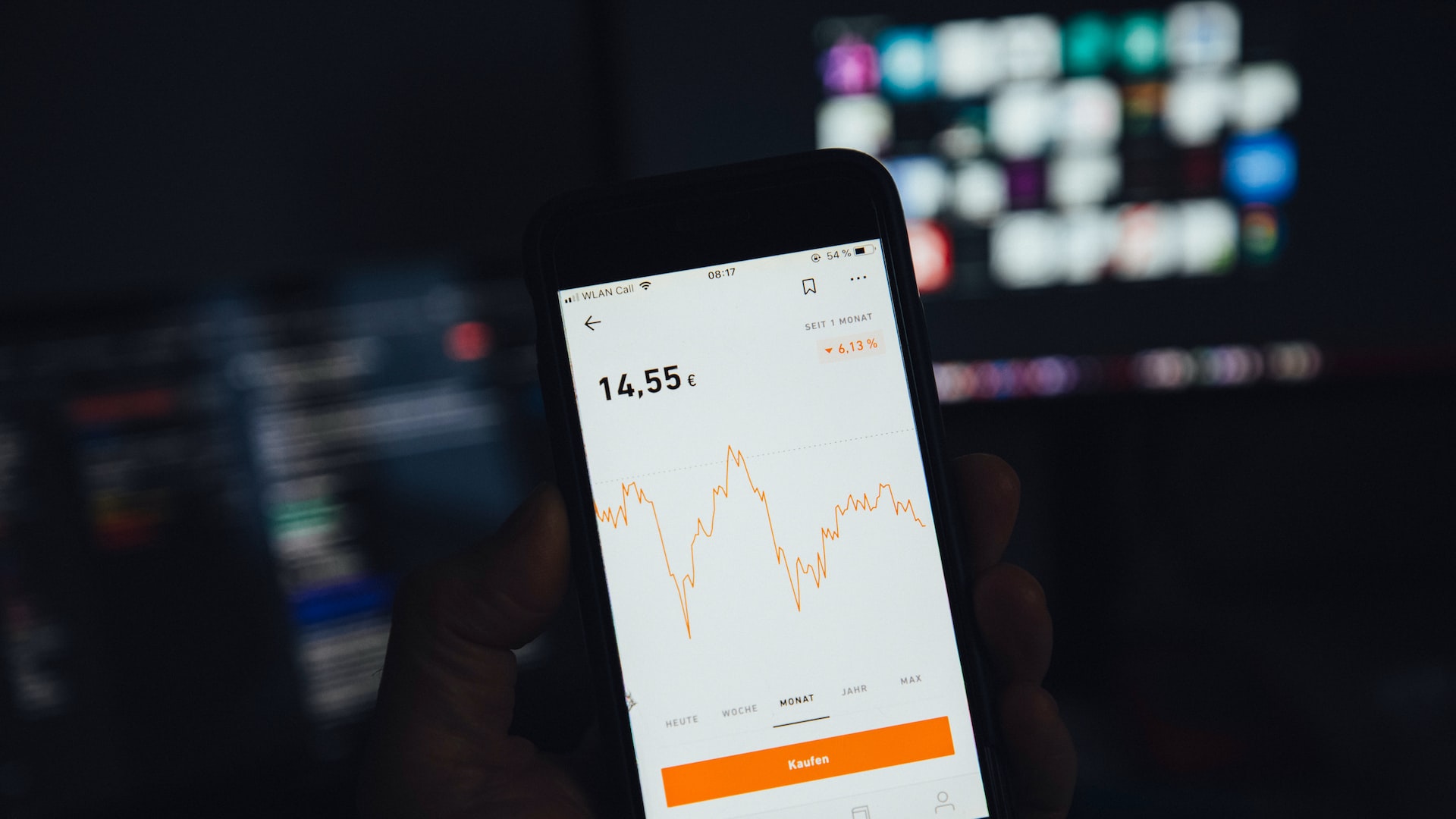
With the advent of mobile technology, traders can now access the forex market from their smartphones and tablets. Mobile trading apps provided by brokers enable traders to execute trades, monitor positions, and access real-time market data from anywhere at any time. This flexibility allows traders to stay connected to the market and seize opportunities even while on the move.
Notifications and Alerts
Mobile trading apps also provide traders with notifications and alerts, keeping them informed about significant market events, price movements, and trading opportunities. Traders can set up customized alerts based on specific criteria, ensuring they never miss important developments. These notifications help traders stay on top of their trades and make informed decisions promptly.
Conclusion
Technology has revolutionized forex trading, empowering traders with advanced tools and platforms that enhance efficiency, speed, and accuracy. From user-friendly trading platforms to automated trading systems, real-time market data, advanced charting tools, and mobile trading apps, technology plays a vital role in every aspect of the forex trading process. Embracing technology is essential for traders who want to stay competitive and navigate the ever-evolving forex market successfully.