

Introduction
Successful forex trading requires a combination of knowledge, skill, and effective strategies. In this article, we will explore some proven strategies that can help traders improve their chances of success in the dynamic and fast-paced world of forex trading. Whether you are a beginner or an experienced trader, these strategies can provide valuable insights and enhance your trading performance.
1. Technical Analysis
1.1 Understanding Technical Analysis
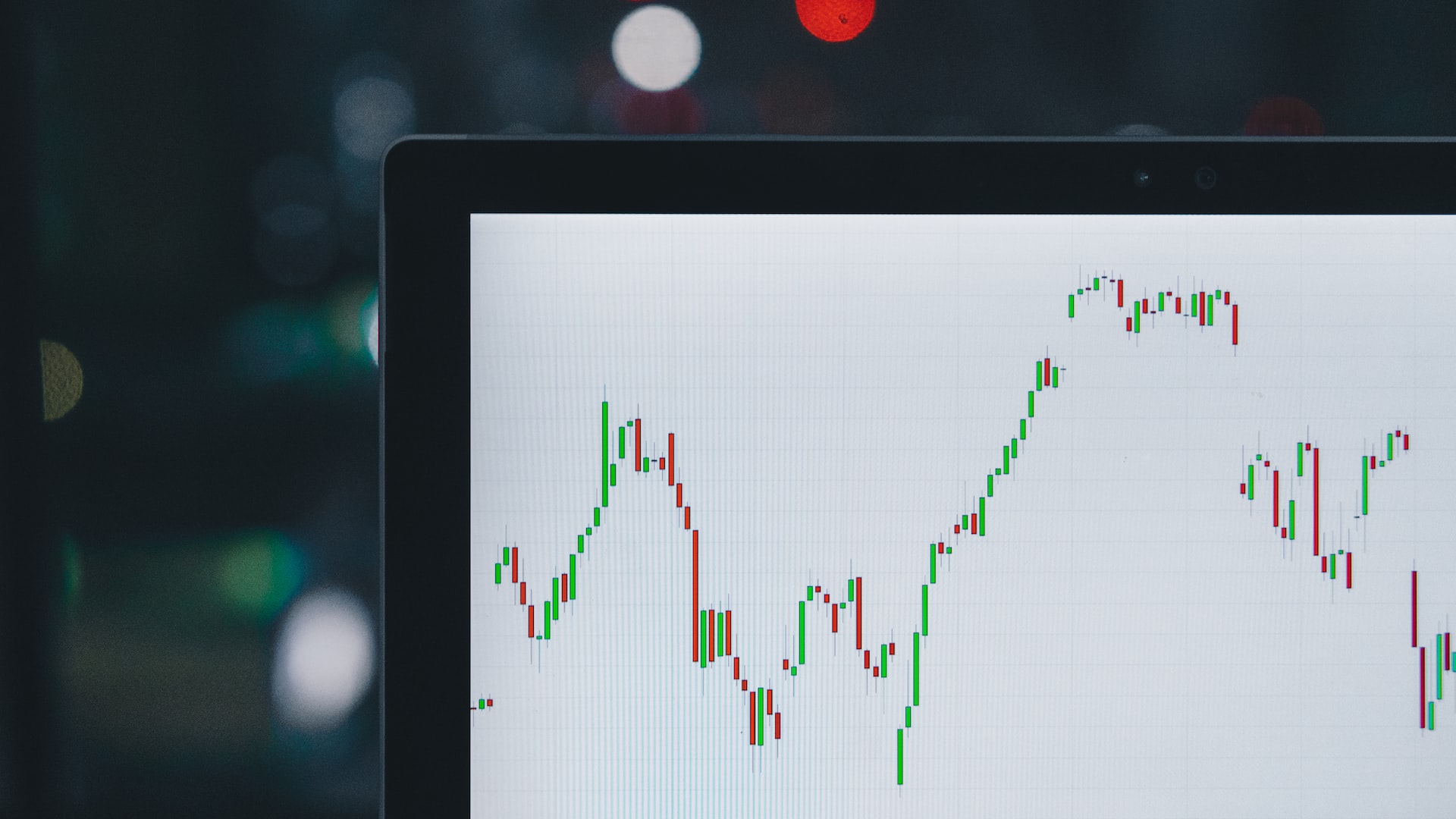
Technical analysis involves analyzing historical price data and using various tools and indicators to identify patterns, trends, and potential price movements. By studying charts and patterns, traders can make informed decisions based on historical price behavior, rather than relying solely on fundamental analysis. Technical analysis can help identify entry and exit points, manage risk, and improve overall trading performance.
1.2 Key Technical Indicators
There are numerous technical indicators available to traders, each with its own unique purpose. Some popular indicators include moving averages, relative strength index (RSI), stochastic oscillator, and Bollinger Bands. Traders can use these indicators to identify trends, overbought or oversold conditions, and potential reversals in the market.
2. Fundamental Analysis
2.1 Understanding Fundamental Analysis
Fundamental analysis involves evaluating economic, social, and political factors that can impact currency values. Traders who use fundamental analysis study economic indicators, central bank policies, geopolitical events, and news releases to make trading decisions. Understanding the underlying factors that drive currency movements can help traders identify long-term trends and make informed trading choices.
2.2 Economic Calendar
An economic calendar is a valuable tool for traders practicing fundamental analysis. It provides a schedule of important economic events, such as interest rate decisions, GDP releases, employment data, and inflation reports. By staying updated on these events, traders can anticipate market reactions and position themselves accordingly, taking advantage of potential trading opportunities.
3. Risk Management
3.1 Setting Risk Parameters
Effective risk management is crucial for long-term success in forex trading. Traders should define their risk tolerance and set appropriate stop-loss and take-profit levels for each trade. By limiting potential losses and protecting profits, traders can ensure that a few losing trades do not wipe out their entire account balance.
3.2 Diversification
Diversifying your trading portfolio can help spread risk and reduce exposure to any single currency pair or market. Traders can diversify by trading different currency pairs, using various strategies, or investing in other financial instruments alongside forex. Diversification can help minimize losses and increase the chances of overall profitability.
4. Emotional Control
4.1 Managing Emotions
Forex trading can be emotionally challenging, as it involves making quick decisions under pressure. Successful traders understand the importance of emotional control and discipline. They stick to their trading plans, avoid impulsive trades based on emotions, and maintain a rational approach to trading. Developing a mindset that focuses on long-term profitability rather than short-term gains is key.
4.2 Continuous Learning and Adaptation
The forex market is constantly evolving, and traders need to adapt to changing market conditions. Successful traders invest time in continuous learning, staying updated on market news, attending webinars or seminars, and testing new strategies. By staying ahead of the curve, traders can adjust their strategies and adapt to market trends, increasing their chances of success.
Conclusion
Successful forex trading requires a combination of technical and fundamental analysis, effective risk management, emotional control, and continuous learning. By incorporating these strategies into your trading routine, you can improve your chances of success in the highly competitive forex market. Remember, no strategy guarantees profits, but by implementing sound trading practices and maintaining discipline, you can enhance your trading performance and achieve your financial goals.