Introduction to Forex Trading
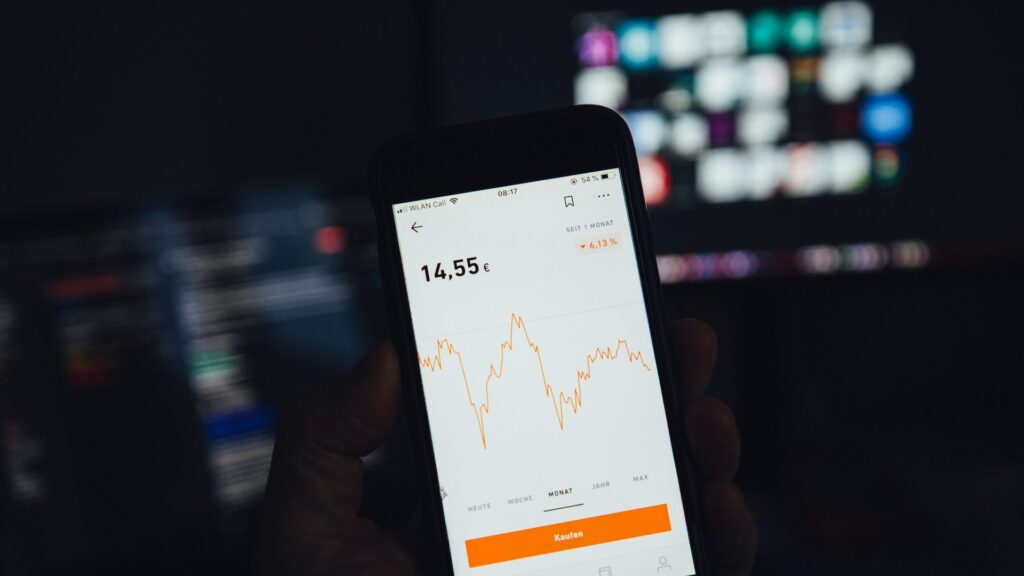
The first section of an interactive forex trading course typically provides an introduction to the basics of forex trading. This includes an overview of the forex market, its participants, the major currency pairs, and the factors that influence currency exchange rates. Participants learn about the mechanics of forex trading, such as how to read currency charts, place trades, and manage risk.
2. Technical Analysis
Technical analysis is a crucial skill for forex traders, and interactive courses often dedicate a section to this topic. Participants learn about different technical indicators, chart patterns, and trends that can help identify potential trading opportunities. They also learn how to use various technical analysis tools and platforms to analyze price movements and make informed trading decisions.
3. Fundamental Analysis
Another important aspect of forex trading covered in interactive courses is fundamental analysis. Participants learn how to analyze economic indicators, news events, and geopolitical factors that impact currency exchange rates. They gain an understanding of how to interpret economic data releases, central bank policies, and other relevant news to make informed trading decisions based on fundamental analysis.
4. Risk Management
Risk management is a critical skill for successful forex trading, and interactive courses emphasize its importance. Participants learn various risk management techniques, such as setting stop-loss orders, managing position sizes, and diversifying their portfolios. They also learn how to assess and manage the risk-reward ratios of their trades, ensuring that potential profits justify the potential losses.
5. Trading Strategies
Interactive forex trading courses often cover different trading strategies that participants can apply in the forex market. These strategies may include day trading, swing trading, trend following, or range trading. Participants learn how to develop and test their trading strategies, set entry and exit points, and manage trades effectively. They also gain insights into the importance of discipline, patience, and emotional control in executing trading strategies.
6. Live Trading Simulations
One of the key benefits of interactive forex trading courses is the opportunity to participate in live trading simulations. These simulations allow participants to apply the knowledge and skills they have learned in a real-time trading environment without risking actual money. By practicing in a simulated trading environment, participants can gain experience, test their strategies, and refine their decision-making abilities before trading with real capital.
Conclusion
Interactive forex trading courses provide a structured and interactive learning experience for individuals interested in forex trading. These courses cover a wide range of topics, including the basics of forex trading, technical and fundamental analysis, risk management, trading strategies, and live trading simulations. By enrolling in an interactive course, participants can gain the knowledge, skills, and confidence needed to navigate the forex market effectively. Whether you are a beginner or an experienced trader looking to enhance your skills, interactive forex trading courses can be a valuable resource on your trading journey.