What is Forex Trading and How Does It Work?
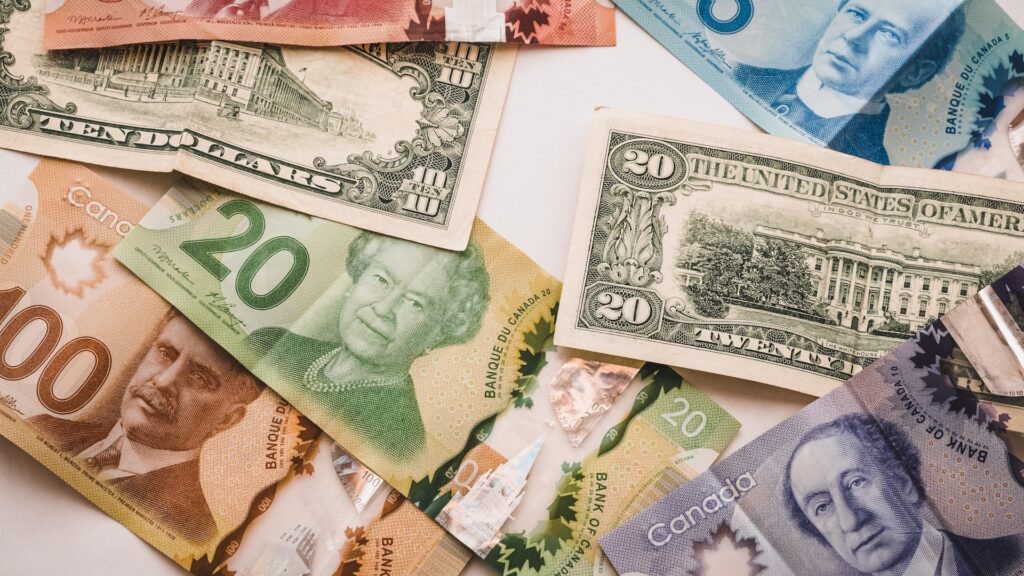
Forex trading, also known as foreign exchange trading, is the process of buying and selling currencies with the aim of making a profit from the fluctuations in exchange rates. It is the largest and most liquid financial market in the world, with trillions of dollars being traded daily. In this article, we will explore the basics of forex trading and how it works.
1. Understanding Forex Trading
Forex trading involves the simultaneous buying of one currency and selling of another. Currencies are traded in pairs, such as EUR/USD (Euro/US Dollar) or GBP/JPY (British Pound/Japanese Yen). The exchange rate between two currencies determines the value of one currency relative to the other. Traders aim to profit from changes in exchange rates by speculating on whether a currency will appreciate or depreciate against another.
2. The Forex Market
The forex market operates 24 hours a day, five days a week, across different time zones. It is a decentralized market, meaning there is no physical location where trading takes place. Instead, trading is conducted electronically over-the-counter (OTC), with participants including banks, financial institutions, corporations, governments, and individual traders.
2.1 Market Participants
The forex market has several key participants:
Banks: Banks are the primary players in the forex market, accounting for a significant portion of the total trading volume. They facilitate currency transactions for their clients and engage in speculative trading to generate profits.
Financial Institutions: Besides banks, other financial institutions such as hedge funds, investment firms, and insurance companies also participate in forex trading to manage their portfolios and generate returns.
Corporations: Companies that engage in international trade are involved in forex trading to mitigate currency risks arising from their business operations.
Governments and Central Banks: Central banks intervene in the forex market to stabilize their domestic currency or influence exchange rates for economic reasons. Governments also participate in forex trading for reserve management and policy purposes.
Individual Traders: Retail traders, including individual investors, speculators, and trading firms, make up a growing segment of the forex market. They access the market through online platforms provided by brokers.
3. How Forex Trading Works
Forex trading involves buying one currency and simultaneously selling another. Traders can take either a long or short position on a currency pair, depending on their market outlook. If a trader believes a currency will appreciate, they would buy the base currency and sell the quote currency. Conversely, if they expect a currency to depreciate, they would sell the base currency and buy the quote currency.
3.1 Trading Terminology
When trading forex, it’s important to understand key terminology:
Base Currency: The first currency in a currency pair is called the base currency. It represents the currency being bought or sold.
Quote Currency: The second currency in a currency pair is the quote currency. It represents the currency being exchanged for the base currency.
Bid Price: The bid price is the price at which a trader can sell the base currency.
Ask Price: The ask price is the price at which a trader can buy the base currency.
Spread: The spread is the difference between the bid and ask price. It represents the cost of the trade and the profit for the broker.
3.2 Factors Influencing Exchange Rates
The exchange rates between currencies are influenced by various factors, including:
Economic Indicators: Economic data such as GDP growth, inflation rates, interest rates, and employment figures impact currency values.
Political and Geopolitical Events: Political stability, elections, and geopolitical events can create volatility and affect exchange rates.
Market Sentiment: Market participants’ perceptions, expectations, and risk appetite influence currency movements.
Central Bank Policies: Monetary policies, interest rate decisions, and interventions by central banks can impact exchange rates.
Conclusion
Forex trading is a dynamic market where currencies are bought and sold with the aim of profiting from fluctuations in exchange rates. Understanding the basics of forex trading, including the market structure, participants, and how trades are executed, is crucial for anyone interested in venturing into this market. By staying informed about economic indicators, geopolitical events, and market sentiment, traders can make more informed trading decisions and potentially capitalize on opportunities in the forex market.