How Does Independent Trading Compare with Copy Trading?
When it comes to forex trading, there are different approaches that traders can take. Two popular methods are independent trading and copy trading. In this article, we will compare these two approaches and explore their key differences to help you understand which one may be more suitable for your trading style and goals.
1. Independent Trading
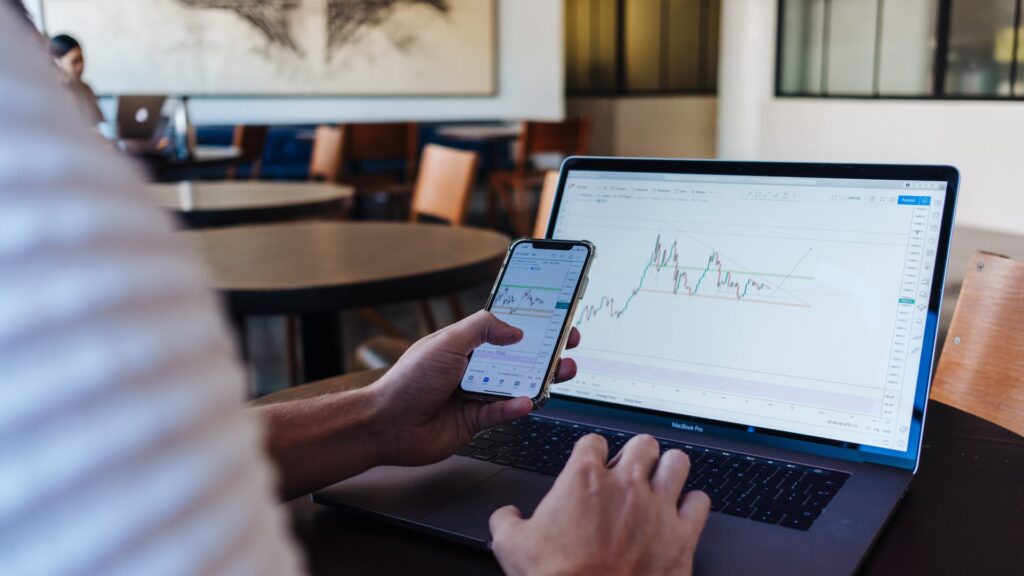
Independent trading refers to the practice of individuals making their own trading decisions and executing trades based on their analysis and strategies. Traders who choose independent trading rely on their own knowledge, skills, and experience to analyze the market, identify trading opportunities, and execute trades. They have full control over their trading decisions and are responsible for the outcomes of their trades.
2. Copy Trading
Copy trading, on the other hand, involves replicating the trades of other traders. In this approach, traders can choose to automatically copy the trades of successful and experienced traders. The trades executed by the chosen traders are replicated in the copying trader’s account in real-time. Copy trading allows traders to benefit from the expertise and strategies of others without having to conduct their own market analysis or make independent trading decisions.
3. Key Differences
Let’s explore the key differences between independent trading and copy trading:
3.1 Decision-Making
In independent trading, traders make their own trading decisions based on their analysis and strategies. They have the freedom to adapt their strategies and make real-time decisions based on market conditions. On the other hand, in copy trading, traders rely on the decisions of others. They choose successful traders to copy and their trading decisions are automatically replicated in the copying trader’s account. Copy traders do not have control over individual trade decisions.
3.2 Learning and Skill Development
Independent trading provides valuable learning opportunities and allows traders to develop their skills. Traders who actively analyze the market, make their own decisions, and execute trades gain firsthand experience and knowledge. This can contribute to their growth as traders. In contrast, copy trading may limit learning opportunities as traders rely on the expertise of others. They may miss out on the educational aspect of trading and the development of their own trading skills.
3.3 Control and Autonomy
Independent traders have full control and autonomy over their trading decisions. They can align their strategies with their individual goals, risk tolerance, and trading styles. They can adapt their strategies based on changing market conditions. Copy traders, on the other hand, have limited control over individual trade decisions. They rely on the strategies and decisions of the traders they choose to copy.
3.4 Risk and Accountability
Independent traders bear full responsibility for their trading outcomes. They are accountable for their own losses and gains. They must practice risk management techniques and learn from their mistakes to improve their trading performance. Copy traders share the risks and rewards of the traders they copy. If the traders they copy make poor decisions or experience losses, the copying traders will be affected as well.
4. Choosing the Right Approach
The choice between independent trading and copy trading depends on your trading style, goals, and preferences. If you prefer full control over your trading decisions, want to learn and develop your own strategies, and have the time and effort to dedicate to market analysis, independent trading may be more suitable for you. On the other hand, if you prefer a more passive approach, want to benefit from the expertise of successful traders, and have limited time or experience, copy trading may be a better choice.
Conclusion
Independent trading and copy trading are two popular approaches in forex trading. Independent trading offers control, learning opportunities, and autonomy, but requires time, effort, and skill development. Copy trading provides the convenience of replicating the trades of successful traders, but limits control and learning opportunities. The right approach depends on your trading style, goals, and preferences. It is important to carefully consider the differences and choose the approach that aligns with your needs to enhance your trading experience in the forex market.