What Are the Basics I Should Know About Forex and Stock Trading?
Forex and stock trading are popular investment options that can provide individuals with opportunities to grow their wealth. However, before diving into these markets, it’s crucial to understand the basics to make informed decisions and mitigate risks. In this blog post, we will explore the fundamental concepts of forex and stock trading to help you get started on your investment journey.
1. Forex Trading Basics
1.1 What is Forex Trading?
Forex trading, also known as foreign exchange trading, involves buying and selling currencies in the global market. The forex market is the largest and most liquid financial market, with trillions of dollars traded daily. Forex traders aim to profit from fluctuations in currency exchange rates by speculating on whether a currency will appreciate or depreciate against another.
1.2 Currency Pairs
In forex trading, currencies are always traded in pairs. The first currency in the pair is called the base currency, while the second currency is the quote currency. For example, in the EUR/USD currency pair, the euro is the base currency, and the US dollar is the quote currency. Understanding currency pairs is essential as it determines the value of a currency in relation to another.
1.3 Market Participants
Several market participants contribute to the liquidity and volatility of the forex market. These include central banks, commercial banks, institutional investors, retail traders, and multinational corporations. Each participant has different objectives and influences the market in various ways. Understanding the role of market participants can provide insights into market dynamics.
2. Stock Trading Basics
2.1 What is Stock Trading?
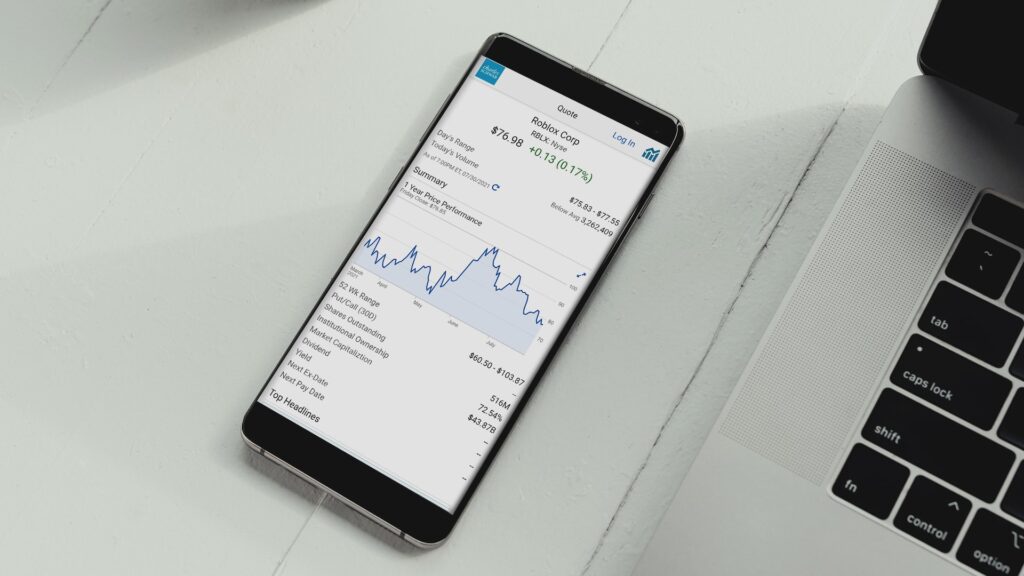
Stock trading involves buying and selling shares of publicly traded companies. When you buy a stock, you become a partial owner of the company and have the potential to profit from its growth and performance. Stock traders aim to buy stocks at a lower price and sell them at a higher price, generating a profit from the price difference.
2.2 Types of Stocks
There are different types of stocks, including common stocks and preferred stocks. Common stocks represent ownership in a company and typically come with voting rights. Preferred stocks, on the other hand, offer priority when it comes to dividend payments but may have limited or no voting rights. Understanding the types of stocks available can help you make informed investment decisions.
2.3 Stock Exchanges
Stocks are traded on stock exchanges, which are regulated platforms where buyers and sellers come together to trade stocks. Examples of well-known stock exchanges include the New York Stock Exchange (NYSE), NASDAQ, and London Stock Exchange (LSE). Each stock exchange has its own listing requirements and trading rules.
Conclusion
Forex and stock trading offer exciting opportunities for individuals to participate in the global financial markets. Understanding the basics of forex trading, including currency pairs and market participants, is essential for navigating the forex market. Similarly, grasping the fundamentals of stock trading, such as the types of stocks and stock exchanges, is crucial for successful stock trading. By building a solid foundation of knowledge, you can make informed investment decisions and work towards achieving your financial goals in these dynamic markets.