

Introduction
When it comes to choosing a forex broker, it’s important to compare different options to find the one that best suits your trading needs. With numerous brokers available, the task of comparison can seem overwhelming. In this blog post, we will guide you through the key factors to consider when comparing forex brokers.
1. Regulation and Security
Regulation and security should be your top priority when comparing forex brokers. Look for brokers that are regulated by reputable financial authorities in their respective jurisdictions. Regulatory bodies provide oversight, ensuring fair practices, segregation of client funds, and protection against fraudulent activities. Avoid unregulated brokers or those with a poor track record.
2. Trading Costs
Compare the trading costs offered by different brokers. Consider factors such as spreads, commissions, and overnight swap rates. Spreads are the difference between the buying and selling prices of currency pairs, and lower spreads can significantly impact your trading costs. Additionally, check if the broker charges any commissions on trades and compare their pricing with other brokers in the market.
3. Trading Platforms and Tools
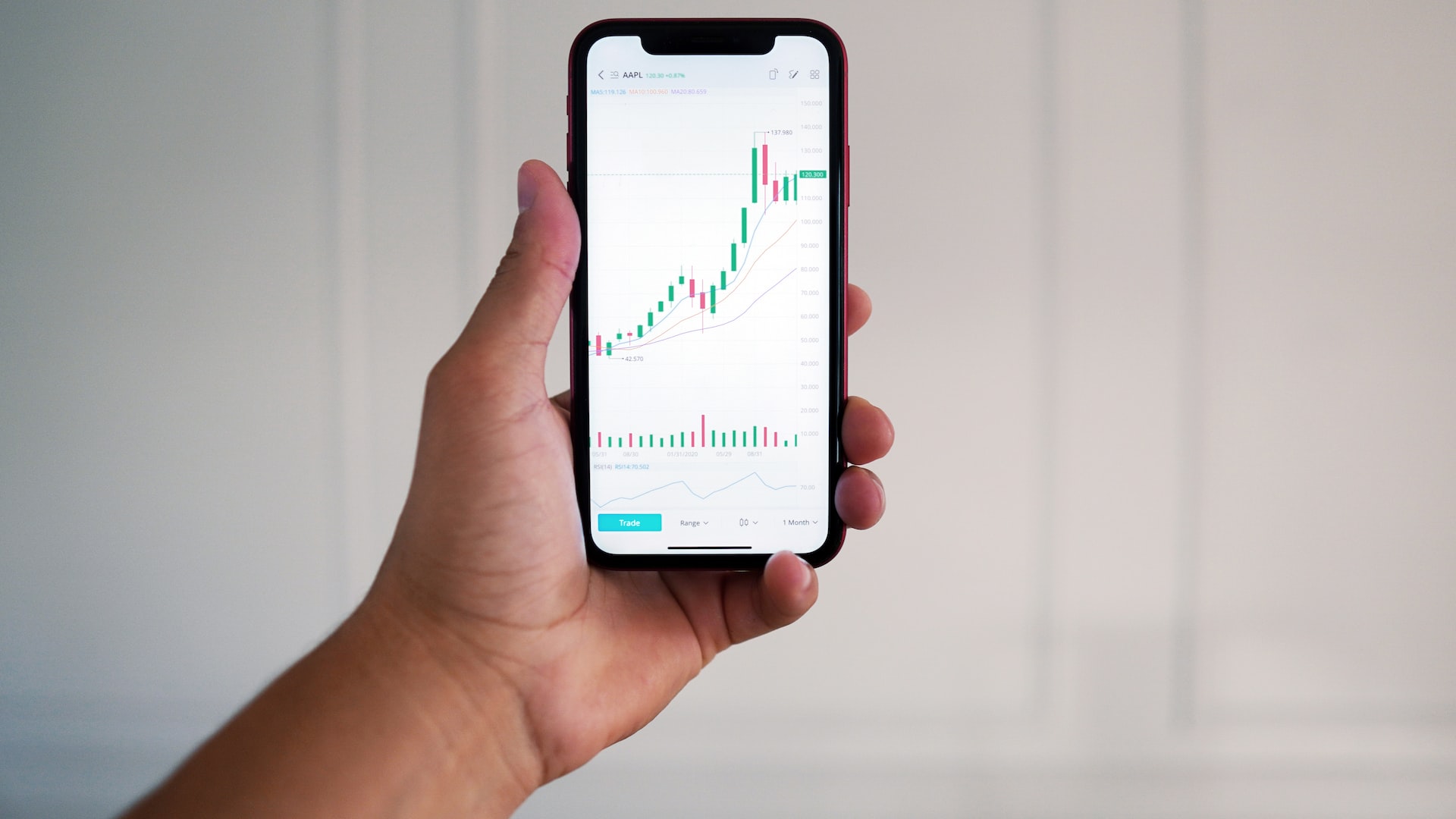
Assess the trading platforms and tools provided by different brokers. The trading platform is the primary interface for executing trades and analyzing the market. It should be user-friendly, stable, and offer a range of features that suit your trading style. Compare factors such as charting capabilities, order types, customization options, and availability across devices. Additionally, evaluate the availability of trading tools and indicators that can assist in your analysis.
4. Leverage and Margin Requirements
Compare the leverage and margin requirements offered by different brokers. Leverage allows traders to control larger positions with a smaller amount of capital. However, it is essential to understand the leverage offered by the broker and the associated margin requirements. Higher leverage can amplify both profits and losses, so choose a broker that offers leverage suitable for your risk tolerance and trading strategy.
5. Customer Support
Consider the customer support provided by different brokers. Look for brokers that offer responsive customer support through various channels, such as phone, email, or live chat. Check if they provide support in your preferred language and assess their availability during trading hours. Reliable customer support is crucial, especially when you need assistance or have queries regarding your trading activities.
6. Deposit and Withdrawal Options
Compare the deposit and withdrawal options offered by different brokers. Check if they support convenient and secure methods for funding your account and withdrawing profits. Look for brokers that offer a range of payment options such as bank transfers, credit/debit cards, and online payment systems. Consider any associated fees or processing times for deposits and withdrawals.
7. Educational Resources
Educational resources can be valuable, especially for beginners. Compare the educational materials, webinars, tutorials, and market analysis offered by different brokers. These resources can help you enhance your trading knowledge and skills, and some brokers even provide demo accounts for practice trading. Look for brokers that invest in educating their clients and provide ongoing support for their trading journey.
Conclusion
Comparing different forex brokers is essential to find the one that best meets your trading requirements. Consider factors such as regulation and security, trading costs, trading platforms and tools, leverage and margin requirements, customer support, deposit and withdrawal options, and the availability of educational resources. Take the time to research and compare brokers, read reviews, and consider the experiences of other traders. By carefully evaluating these factors, you can make an informed decision and choose a reliable forex broker that aligns with your trading goals.