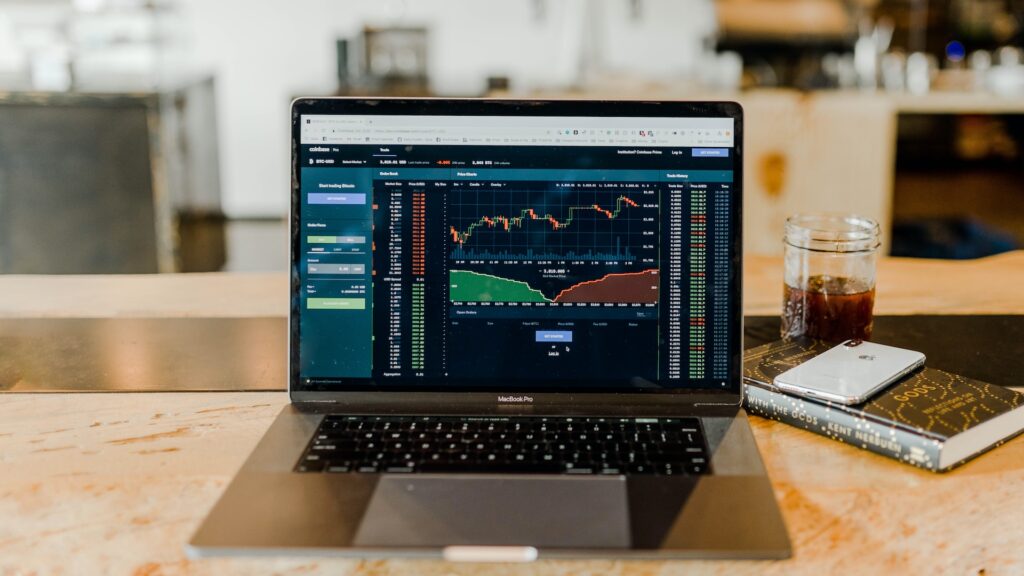
Understanding How Day Trading Works in Forex
Introduction
Day trading is a popular trading style in the forex market, characterized by executing trades within the same trading day. It involves taking advantage of short-term price movements and aiming to profit from intraday market volatility. In this blog post, we will explore how day trading works in forex, the strategies employed by day traders, and the key factors to consider when engaging in this fast-paced trading approach.
The Basics of Day Trading
Day traders aim to capitalize on small price movements that occur within a single trading day. They typically enter and exit multiple trades during the day, closing all positions before the market closes. Day trading requires active monitoring of the market, quick decision-making, and the ability to execute trades swiftly.
Key Strategies in Day Trading
Day traders employ various strategies to identify potential trading opportunities. Some common strategies used in day trading forex include:
Scalping
Scalping is a strategy that involves taking advantage of small price fluctuations. Traders aim to enter and exit trades within minutes, profiting from short-term market inefficiencies. Scalpers often rely on technical indicators and short-term chart patterns to identify entry and exit points.
Momentum Trading
Momentum trading focuses on trading in the direction of strong price movements. Traders look for assets that are experiencing significant price changes accompanied by high trading volume. By jumping on the bandwagon, traders aim to profit from the continuation of the momentum.
Range Trading
Range trading involves identifying price levels where the market tends to trade within a range. Traders aim to buy at the support level and sell at the resistance level. This strategy is suitable for markets that lack a clear trend and can be effective during periods of low volatility.
Factors to Consider in Day Trading
Successful day trading in forex requires careful consideration of several factors:
Volatility
Volatility is a crucial element for day traders as it provides opportunities for price movements. Higher volatility can lead to increased profit potential, but it also carries higher risks. Traders should assess the volatility of currency pairs and adjust their strategies accordingly.
Liquidity
Liquidity refers to the ease of buying and selling an asset without causing significant price movements. Day traders prefer highly liquid currency pairs, allowing them to enter and exit trades quickly at the desired price. Major currency pairs such as EUR/USD and USD/JPY are among the most liquid in the forex market.
Risk Management
Day traders should implement effective risk management strategies to protect their capital. This includes setting stop-loss orders to limit potential losses and determining proper position sizes based on risk tolerance and account size.
Conclusion
Day trading in forex can be an exciting and potentially lucrative endeavor for traders. By understanding the basics of day trading, employing suitable strategies, and considering factors such as volatility, liquidity, and risk management, traders can increase their chances of success in this fast-paced trading style. However, it is important to note that day trading requires experience, discipline, and continuous learning to navigate the inherent risks involved. As with any trading approach, practice and thorough analysis are vital for long-term profitability in day trading forex.