What Are the Actual Facts About Forex Trading?
Forex trading, also known as foreign exchange trading, is a dynamic and global market where individuals can trade currencies. It is essential to separate fact from fiction when it comes to understanding forex trading. In this article, we will delve into the actual facts about forex trading to provide you with a clear understanding of this investment opportunity.
1. Forex Trading is the Largest Financial Market
Forex trading is the largest financial market globally, with trillions of dollars traded daily. It operates 24 hours a day, five days a week, providing ample opportunities for traders to participate in currency exchange. The high liquidity of the forex market ensures that traders can easily enter and exit positions, allowing for greater flexibility compared to other financial markets.
2. Forex Trading is Decentralized
Unlike stock markets that are centralized and operate through exchanges, forex trading is decentralized. It takes place over-the-counter (OTC) through a global network of financial institutions, brokers, and electronic trading platforms. This decentralized nature ensures that forex trading remains accessible to individuals worldwide and eliminates the need for a physical trading location.
3. Forex Trading Involves Currency Pairs
In forex trading, currencies are traded in pairs. Each currency pair represents the exchange rate between two currencies. For example, the EUR/USD pair represents the exchange rate between the Euro and the US Dollar. Traders speculate on the price movements of currency pairs, aiming to profit from fluctuations in exchange rates.
4. Forex Trading Requires Understanding of Fundamental and Technical Analysis
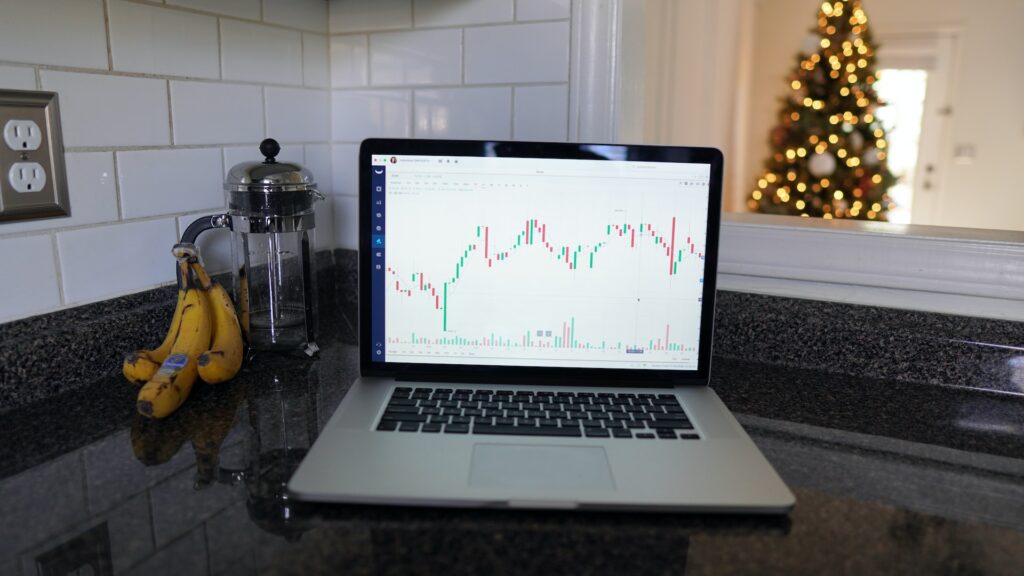
Successful forex trading involves a combination of fundamental and technical analysis. Fundamental analysis focuses on economic indicators, geopolitical events, and monetary policies that impact currency value. Technical analysis involves studying price charts, patterns, and indicators to identify potential trading opportunities. Traders use these analyses to make informed decisions and develop trading strategies.
5. Forex Trading Offers High Leverage
One of the unique aspects of forex trading is the availability of leverage. Leverage allows traders to control larger positions with a smaller amount of capital. For example, with a leverage ratio of 1:100, a trader can control a position worth $100,000 with just $1,000 in their trading account. While leverage can amplify profits, it also magnifies potential losses, so risk management is crucial.
6. Forex Trading Involves Risks
Forex trading is not without risks. The volatility of the forex market can lead to rapid price movements, which can result in significant gains or losses. Traders must be aware of the risks involved and employ risk management strategies such as setting stop-loss orders and managing position sizes. Understanding risk-reward ratios and having a disciplined approach to trading is essential for long-term success.
Conclusion
Understanding the factual aspects of forex trading is crucial for anyone considering participating in this market. Forex trading is the largest financial market globally, offering decentralized trading opportunities in currency pairs. It requires a sound understanding of fundamental and technical analysis, along with effective risk management. While forex trading offers potential for profit, it also involves risks. By arming oneself with knowledge, practicing, and adopting a disciplined approach, individuals can navigate the forex market and increase their chances of success.