How Does Technical Analysis Contribute to Profitable Forex Trading?
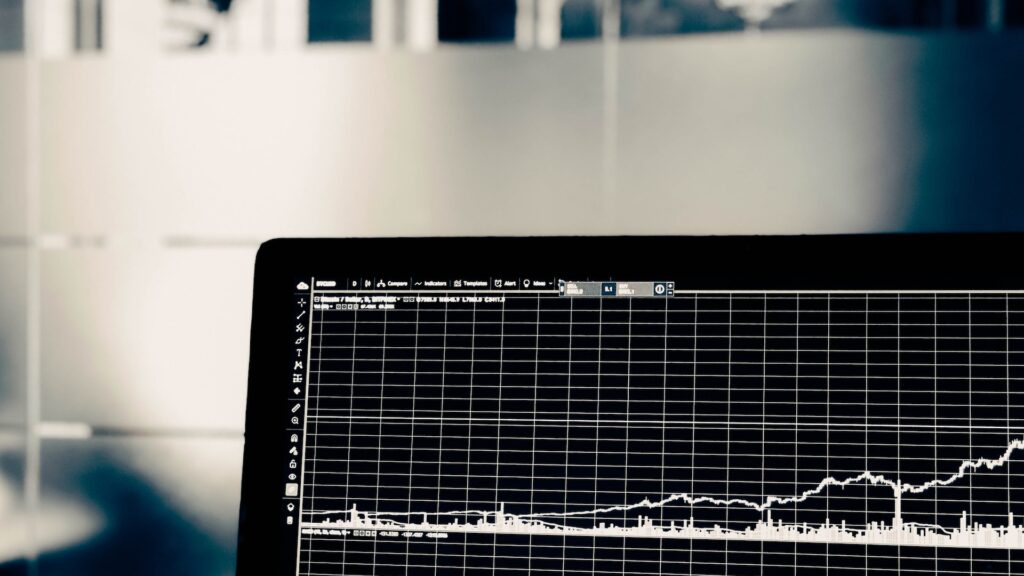
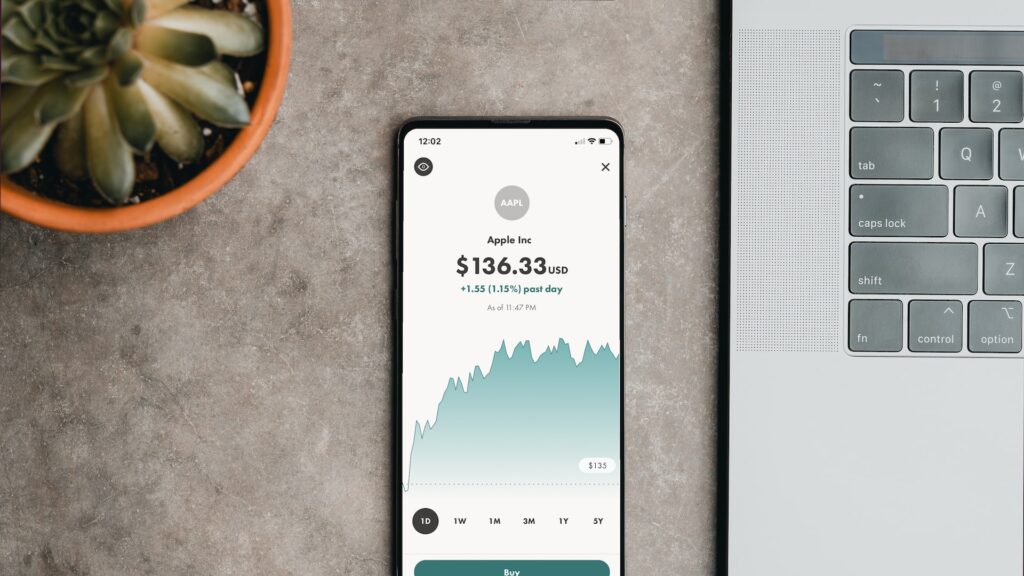
Technical analysis is a powerful tool used by forex traders to analyze historical price data and make informed trading decisions. By studying charts, patterns, and indicators, traders aim to forecast future price movements and identify profitable trading opportunities. In this blog post, we will explore how technical analysis contributes to profitable forex trading and why it is an essential skill for successful traders.
1. Identifying Market Trends
One of the primary benefits of technical analysis is its ability to identify market trends. By analyzing price charts and using trend lines, moving averages, and other indicators, traders can determine the direction of the market. Identifying trends is crucial in forex trading as it allows traders to align their trades with the prevailing market momentum. Trading in the direction of the trend increases the probability of profitable trades and reduces the risk of trading against the market.
2. Entry and Exit Points
Technical analysis helps traders identify optimal entry and exit points for their trades. Various chart patterns, such as support and resistance levels, double tops and bottoms, and trend reversals, can provide valuable insights into when to enter or exit a trade. By combining these patterns with technical indicators like oscillators or moving average crossovers, traders can make more precise trading decisions. Having well-defined entry and exit points based on technical analysis can increase the profitability of trades and minimize potential losses.
2.1 Candlestick Patterns
Candlestick patterns are an essential component of technical analysis and provide valuable information about market sentiment. Patterns like doji, engulfing, and hammer can indicate potential reversals or continuations in price movements. By recognizing these patterns, traders can make more informed decisions about when to enter or exit trades. Candlestick patterns, when used alongside other technical indicators, can enhance the accuracy of trading signals and contribute to profitable forex trading.
3. Risk Management
Technical analysis plays a crucial role in effective risk management. By using indicators like average true range (ATR) or Bollinger Bands, traders can assess market volatility and adjust their position sizes accordingly. Volatile markets may require smaller position sizes to manage risk, while less volatile markets may allow for larger positions. Additionally, technical analysis can help set stop-loss orders at appropriate levels, limiting potential losses if the market moves against a trader’s position. Implementing sound risk management strategies based on technical analysis can protect capital and contribute to long-term profitability.
4. Confirmation of Fundamental Analysis
While fundamental analysis focuses on economic, political, and geopolitical factors affecting currency values, technical analysis can provide confirmation or additional insights. For example, if a fundamental analysis suggests that a currency pair is undervalued, technical analysis can help determine the best timing for entry based on price patterns and indicators. By combining both approaches, traders can make more well-rounded and informed trading decisions, increasing the likelihood of profitability.
5. Backtesting and Strategy Development
Technical analysis allows traders to backtest and develop trading strategies. By analyzing historical price data and applying different technical indicators and rules, traders can evaluate the performance of their strategies over time. Backtesting helps traders identify the most effective indicators and parameters for their trading style and provides a solid foundation for developing profitable trading strategies. By incorporating technical analysis into strategy development, traders can refine their approaches and increase their chances of success in the forex market.
Conclusion
Technical analysis is a valuable tool in the arsenal of forex traders. By providing insights into market trends, entry and exit points, risk management, confirmation of fundamental analysis, and strategy development, technical analysis contributes significantly to profitable forex trading. It allows traders to make informed decisions based on historical price data and increases the probability of successful trades. However, it’s important to remember that technical analysis is not foolproof and should be used in conjunction with other forms of analysis and risk management techniques. With proper application and continuous learning, technical analysis can be a powerful tool for traders seeking profitability in the dynamic forex market.