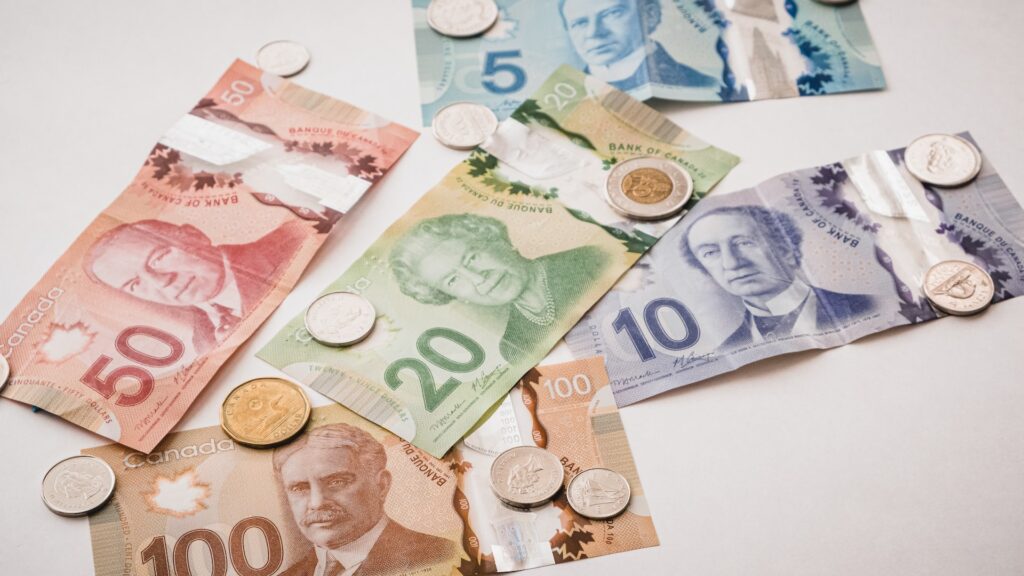
How Can I Manage Forex Risks While Traveling?
Traveling to foreign countries can be an exciting adventure, but it also comes with its share of financial risks. Currency fluctuations, transaction fees, and unfamiliar exchange rates can all impact your travel budget. However, by implementing smart strategies and managing forex risks effectively, you can minimize potential losses and make the most of your money while traveling. In this blog post, we will explore some practical tips for managing forex risks during your travels.
1. Research and Monitor Exchange Rates
Prior to your trip, research the exchange rates of the destination country’s currency. Compare them to your home currency to understand the potential impact on your expenses. Take advantage of online currency converters or mobile apps that provide up-to-date exchange rate information. By monitoring exchange rates, you can identify favorable times to exchange your money and make informed decisions about your spending.
2. Avoid Airport Currency Exchanges
Airports are notorious for offering unfavorable exchange rates and charging high fees. It’s best to avoid exchanging your money at the airport if possible. Instead, wait until you reach your destination or find a reputable local exchange office or bank where you can get a better rate. If you need immediate cash upon arrival, consider exchanging a small amount at the airport and then finding a better option later.
3. Use Prepaid Travel Cards
Prepaid travel cards are a convenient and secure way to manage your forex risks while traveling. These cards allow you to load multiple currencies onto a single card and use it like a regular debit card. They often offer competitive exchange rates and lower transaction fees compared to traditional credit or debit cards. Additionally, if the card is lost or stolen, you can easily block it and get a replacement without losing your funds.
4. Diversify Your Payment Methods
Carrying a mix of cash, prepaid travel cards, and credit/debit cards can provide you with multiple options for making payments while traveling. Having different payment methods can help you manage forex risks by allowing you to choose the most advantageous option based on exchange rates, fees, and convenience. It’s also wise to inform your bank or credit card company about your travel plans to avoid any unexpected card blocks due to suspicious activity.
5. Be Cautious of Dynamic Currency Conversion
Dynamic currency conversion is a service offered by merchants that allows you to pay in your home currency instead of the local currency. While it may seem convenient, it often comes with unfavorable exchange rates and additional fees. It’s generally best to opt for paying in the local currency to avoid unnecessary costs. Always check the payment terminal to ensure you are not inadvertently selecting dynamic currency conversion.
6. Keep Track of Your Expenses
Maintaining a record of your expenses while traveling is essential for managing forex risks. Keep track of your spending, including any currency exchanges or transactions, to have a clear understanding of your budget and potential costs. This will help you identify any discrepancies and ensure you’re staying within your planned budget.
Conclusion
Managing forex risks while traveling requires careful planning and attention to detail. By researching and monitoring exchange rates, avoiding airport currency exchanges, using prepaid travel cards, diversifying your payment methods, being cautious of dynamic currency conversion, and keeping track of your expenses, you can minimize potential losses and make the most of your money while exploring new destinations. Remember, staying informed and making informed decisions will help you navigate the currency fluctuations and ensure a smooth and financially sound travel experience.