How Complex is the Analysis of the Forex Market?
The forex market, also known as the foreign exchange market, is the largest and most liquid financial market in the world. Analyzing the forex market involves studying various factors that influence currency prices. In this article, we will explore the complexity of analyzing the forex market and the key aspects to consider.
1. Fundamental Analysis
Fundamental analysis is one of the primary methods used to analyze the forex market. It involves examining economic, political, and social factors that can impact currency values. Fundamental analysts study indicators such as GDP growth, interest rates, employment data, and geopolitical events to assess the strength or weakness of a currency.
This type of analysis requires a deep understanding of macroeconomics and the ability to interpret and analyze complex data. Traders need to stay updated on global economic events and news that can influence currency markets.
2. Technical Analysis
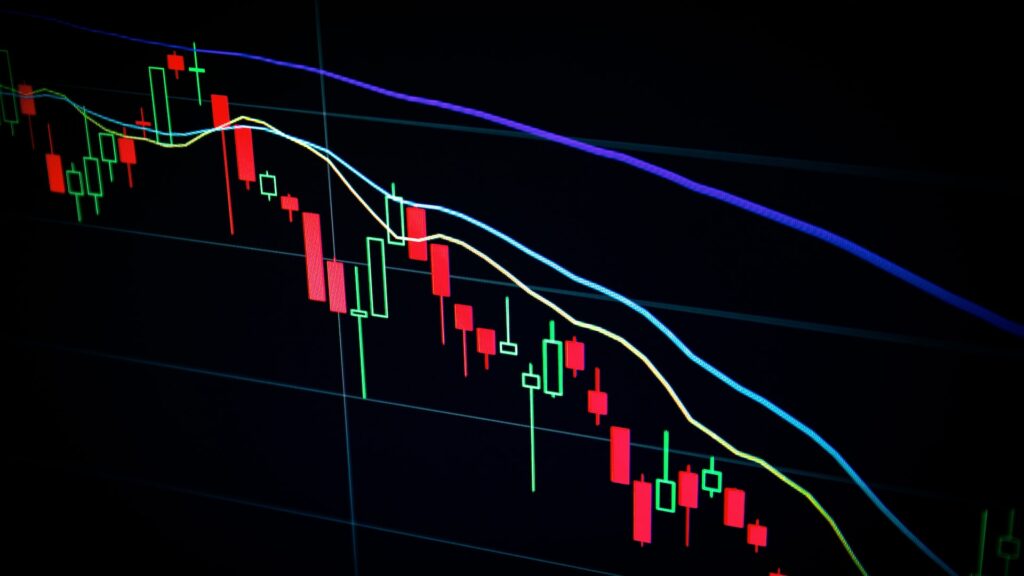
Technical analysis is another commonly used method to analyze the forex market. It involves studying historical price patterns, trends, and market indicators to predict future price movements. Technical analysts use charts, graphs, and various technical indicators to identify patterns and make trading decisions.
Technical analysis requires knowledge of chart patterns, candlestick formations, and understanding how different indicators, such as moving averages and oscillators, interact with price data. Traders need to develop strong analytical skills and the ability to interpret charts and indicators accurately.
3. Sentiment Analysis
Sentiment analysis involves assessing market sentiment and investor behavior to gauge the direction of currency prices. This analysis considers factors such as market psychology, investor sentiment, and market positioning. Traders use sentiment indicators and news sentiment analysis tools to understand the overall market sentiment.
Sentiment analysis adds another layer of complexity to forex market analysis as it involves interpreting market participants’ emotions and reactions. Traders need to develop a deep understanding of market psychology and sentiment indicators to effectively incorporate this analysis into their trading strategies.
4. Intermarket Analysis
Intermarket analysis involves studying the relationships between different financial markets, such as stocks, bonds, commodities, and currencies. This analysis helps traders understand how changes in one market can impact another. For example, changes in commodity prices can influence currency values.
Intermarket analysis requires a broad understanding of multiple markets and their interdependencies. Traders need to monitor various markets and analyze the correlations between different asset classes to make informed trading decisions.
Conclusion
The analysis of the forex market is a complex task that requires a combination of fundamental, technical, sentiment, and intermarket analysis. Traders need to develop a diverse set of skills and knowledge to analyze and interpret the vast amount of information available.
Successful forex traders spend years honing their analytical skills and staying updated on global economic events, market trends, and investor sentiment. They understand that no single analysis method can provide a complete picture of the forex market, and therefore, they combine different approaches to make informed trading decisions.
While forex market analysis may seem overwhelming at first, with dedication, practice, and continuous learning, traders can develop the necessary skills to navigate this complex market and increase their chances of success.