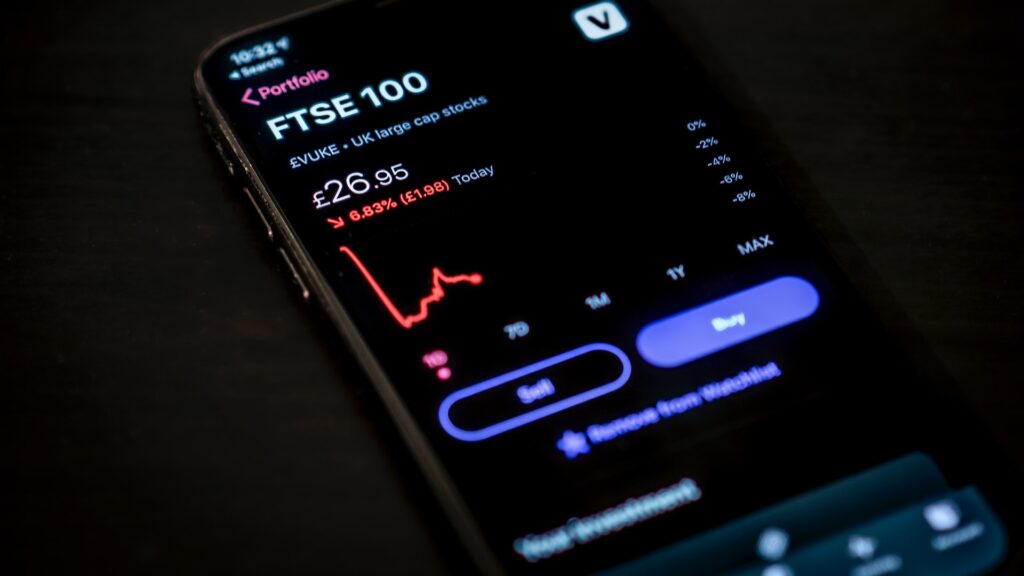
The Impact of Spreads on Forex Trading
When it comes to forex trading, spreads play a significant role in determining the overall cost and profitability of trades. In this article, we will explore what spreads are, how they are calculated, and the impact they have on forex trading.
1. Understanding Spreads in Forex Trading
A spread in forex trading refers to the difference between the buy (ask) and sell (bid) prices of a currency pair. It represents the cost of executing a trade and is typically measured in pips, which is the smallest unit of price movement in the forex market. Spreads can be fixed or variable, depending on the broker and market conditions.
2. How Spreads are Calculated
The calculation of spreads depends on the type of pricing used by the broker. There are two main types:
2.1. Fixed Spreads
Fixed spreads remain constant regardless of market conditions. For example, if a broker offers a fixed spread of 2 pips on the EUR/USD currency pair, the buy price might be 1.2000, and the sell price would be 1.2002. In this case, the spread is always 2 pips.
2.2. Variable Spreads
Variable spreads fluctuate based on market liquidity and volatility. During times of high liquidity, such as when major economic news is released, the spread may narrow. Conversely, during periods of low liquidity, such as weekends or holidays, the spread may widen. Variable spreads are often displayed as a range, for example, 0.6 – 1.2 pips.
3. Impact of Spreads on Forex Trading
3.1. Trading Costs
Spreads directly affect the trading costs for forex traders. When opening a position, traders need to overcome the spread before they can start making a profit. For example, if the spread on the EUR/USD currency pair is 1 pip, the price needs to move at least 1 pip in the trader’s favor to break even. The wider the spread, the more the price needs to move to overcome the cost of the spread.
3.2. Profitability
Spreads can significantly impact the profitability of trades. A narrower spread allows traders to enter and exit positions at better prices. This means that the price needs to move less in the trader’s favor to generate a profit. Conversely, wider spreads require larger price movements to achieve the same level of profitability. Minimizing trading costs by choosing brokers with competitive spreads is essential for maximizing profits.
3.3. Scalping and Day Trading
For traders who engage in short-term trading strategies like scalping or day trading, spreads become even more crucial. These strategies aim to profit from small price movements, often within seconds or minutes. Tight spreads are essential for executing multiple trades quickly and efficiently, as wider spreads can eat into potential profits or make trades less profitable.
3.4. Slippage
Slippage is the difference between the expected price of a trade and the price at which it is executed. It can occur when market conditions change rapidly or during periods of low liquidity. Wide spreads increase the likelihood of slippage, as there may be a delay in executing trades at the desired price. This can result in trades being filled at less favorable prices, affecting overall profitability.
4. Choosing the Right Broker
When considering the impact of spreads on forex trading, it is crucial to choose a reputable broker that offers competitive spreads. Traders should consider factors such as the type of spreads (fixed or variable), the average spread for the currency pairs they intend to trade, and any additional trading costs such as commissions. Comparing spreads among different brokers can help traders find the most cost-effective option.
Conclusion
Spreads have a significant impact on forex trading, affecting trading costs, profitability, and the success of short-term trading strategies. Understanding the different types of spreads and their calculation is crucial for traders. By choosing brokers with competitive spreads, traders can minimize trading costs, increase profitability, and improve their overall trading experience in the dynamic forex market.